
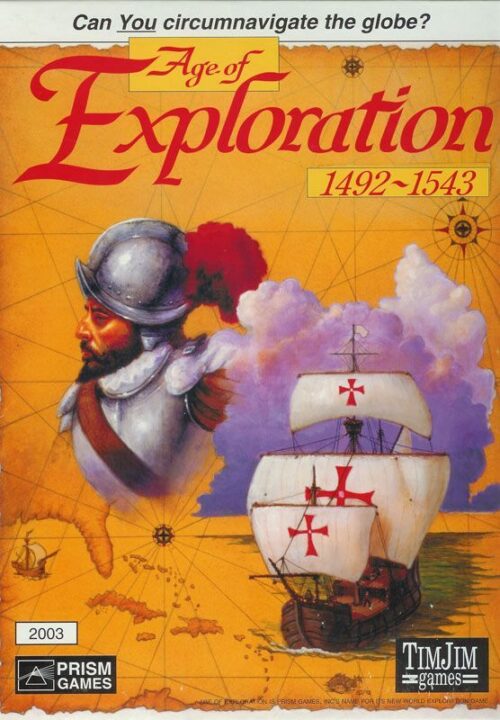
Welcome to my review of Age of Exploration, a board game that promises adventure on the high seas—and sometimes delivers it in a stormy barrel! If you’ve ever wanted to boss around tiny explorers, trade goods, and argue with your friends about who gets the last chunk of gold, you’ve come to the right place. After several evenings spent plotting, scheming, and learning (the hard way) that navigation isn’t my strong suit, I’m ready to share what works, what doesn’t, and whether this game is worthy of your precious shelf space. Buckle up, grab your sextant, and let’s get started!
How It Plays
Setting up
First, lay out the modular map tiles so the board looks like a strange jigsaw puzzle your aunt would give you. Everyone grabs their own explorer tokens, a player board, and starting resources. Shuffle the event and exploration cards. Place the resource tokens and ship miniatures within arm’s reach. Now argue briefly about who gets to be the blue pieces. Ready? Good.
Gameplay
Players take turns sending ships to explore, trade, and try not to sink into the ocean. On your turn, you pick an action: move a ship, gather resources, or trade at ports. You can also discover new areas by flipping map tiles, which usually leads to both riches and the occasional pirate attack (or just a sea monster if you’re unlucky). Hand management and negotiation play a big role, so prepare to charm, bluff, or bribe your way through tense deals over spices and gold.
Winning the game
The game ends after a set number of rounds, or if someone reaches a certain number of discovery points. When that happens, everyone adds up points from discoveries, trading, and secret missions. The player with the most points wins the game and gets to boss the others around for at least ten minutes—or until cleanup is finished.
Want to know more? Read our extensive strategy guide for Age of Exploration.
Game Mechanics and Player Interaction: The Heart of Age of Exploration
If you’ve ever wanted to boss your way across the seven seas, but the closest you’ve come is chatting up Google Maps, Age of Exploration is going to make you feel like a regular old Magellan. This game has mechanics so juicy you could practically squeeze them onto toast.
First up, we’ve got resource management. You’ll be gathering gold, food, and random shiny things you probably don’t need but HAVE to have if you want to win. Planning ahead is key. I learned this the hard way when I ran out of food halfway through and my crew started looking at me like I was the main course. Don’t be like me.
You can strike deals, swap goods, and – my personal favorite – backstab your “allies” when it suits you. The interaction here is lively, and you can always spot the players who are secretly plotting your downfall by their shifty eyes and sudden interest in your spice cargo.
The exploration element keeps everyone involved. The map reveals itself as you go, so it’s equal parts strategy and surprise. You never know when you’ll stumble upon a treasure, an enemy, or just a bad roll that ruins your plans (thanks, dice gods).
Next, I’ll get into replayability and game length—because who doesn’t want to know if it’s worth losing an entire evening (or three) over this sea-faring chaos?
Replayability and Game Length: Does Age of Exploration Stay Fresh?
I’ve played Age of Exploration more times than I’ve had hot dinners this month (and that’s saying something since I microwave leftovers like a champ). Now, when it comes to replayability, Age of Exploration holds up surprisingly well. Each session feels fresh because there are always new islands to discover and different strategies to try. Both times, I lost, but hey, at least I lost in new and creative ways!
Something that helps replayability is the modular board. Plus, the event cards keep everyone guessing. Sometimes an event will help you out, other times it’ll make you wish you’d just stayed home and invented potatoes instead of exploring the seas.
Game length is usually a sweet spot—about 90 to 120 minutes with four players. You won’t be trapped at the table until the next ice age, but expect to commit a couple of hours.
That’s all I’ve got on replayability and how long you’ll spend conquering seas in Age of Exploration. Next up, I’ll talk about the component quality and artwork—so dust off your monocle and get ready for some eye-candy!
Component Quality and Artwork in Age of Exploration: Pirate Hats Off!
Out of all the games I’ve ever stacked on my kitchen table, Age of Exploration stands out for looking like a million doubloons. When I first popped open the box, I was a bit worried the components would feel like they’d sunk to the bottom of the bargain bin. Nope! The game board is thick and sturdy enough to fend off an accidental coffee spill (don’t ask how I know). Tokens and coins have a nice weight to them, not those cheap little cardboard planks that curl up after one play. I’m not saying you could skip them across the pond, but you could definitely win a flick contest with your mates.
The artwork deserves a tip of the tricorne too. The cartographer who drew the map must have had some strong coffee and a wild imagination. There are ocean waves, mysterious islands, and tiny sea monsters peeking out if you look close. It really feels like you’re planning an epic adventure and not just fighting for last place (which, I’ll be honest, happens to me more often than I’d like). Even the player boards have these neat little details—compasses, rum barrels, and enough gold trim to make a magpie jealous. Everything’s clear but fancy, so you don’t have to squint or squabble over setup.
The only letdown? The cards. They look alright but feel a bit flimsy—protect them if you’re the clumsy sort like me. Next up, set sail for the wild waters of luck versus strategy. Will you sink or swim? Stay tuned.
Is Age of Exploration a Game of Skill or a Roll-of-the-Dice?
So, let’s talk about the big question: does Age of Exploration reward cunning plans or does it just slap you in the face with random luck? I’ve burned plenty of evenings at the table with friends, fighting over who gets the juicy Caribbean first, so trust me—I know the feeling when a game lets fate steal your thunder.
First off, Age of Exploration leans hard on strategy. Planning your sea routes, managing trade goods, and outwitting that one friend who fancies himself Magellan—these are the heart of the game. Most decisions matter, and if you lose, you’ll know exactly which dumb risk sank your ship (looking at you, Dave, with your wild detour through pirate-infested waters).
Now, there is a sprinkle of luck in the mix. Random events pop up like surprise sea storms, and the initial map setup can favor some players. And don’t get me started on the card draws. Sometimes you get the perfect event, sometimes you get scurvy. It happens to the best of us. But overall, skillful play wins most games. If you go in with a plan and stay sharp, you’ll finish better than Captain “I’ll just wing it.”
If you hate games that feel like lottery tickets, you’ll be happy to know Age of Exploration mostly plays fair, with just enough chaos to keep things spicy—not frustrating. I actually give it my seal of approval! Pack your compass—and maybe a lucky charm for those event cards. You’ll need both on these high seas.
Conclusion
If you want a smart, thoughtful game night with your friends and don’t mind the odd sea monster ruining your plans, Age of Exploration is a worthy pick. It’s got enough strategy to make you feel clever, but not so much that you need a PhD in board gaming. The artwork and components are nice on the table (just don’t sneeze near the flimsy cards), and there’s plenty of fun player interaction without things getting mean. Sure, a random storm can capsize your best-laid plans, but your choices steer the ship. I’d say Age of Exploration is a solid 4 out of 5 for folks who like adventure and don’t get seasick easily. And with that, our review sets sail into the sunset. Bon voyage, and remember—never trust the player with the pirate hat.