
How To Play: Yellowstone
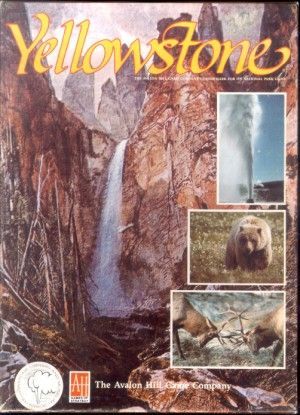
Yellowstone is a strategy game about guiding wildlife through the park while building useful habitats and chasing valuable scoring chances. Players move animals, plan around limited space, and balance short-term gains with future turns. Careful timing matters, because a flashy move now can leave your whole herd in a pickle.
Overview
Yellowstone turns a wild park into a busy puzzle of animals, habitats, and carefully planned moves. This guide gives you a clear outline of the game rules, from setup to scoring, plus the best strategies for winning. Grab your park map and prepare for some wonderfully tense wildlife wrangling.
What’s in the box
- Please specify the publisher or edition of Yellowstone.
How To Play Yellowstone: Rules Summary
Yellowstone turns the park into a busy little puzzle. These rules explain the standard version. However, check your player aid if your edition uses different symbols or pieces.
🌲 Setup: Get the Park Ready Before the Bison Wander Off
- Place the Yellowstone board in the middle of the table.
- Separate the animal pieces or tiles by type, then place them in the supply.
- Give each player the starting pieces, markers, or cards listed in the rulebook.
- Shuffle the scoring cards or goal tiles, if your edition includes them, and place them face down.
- Choose the first player. The rulebook may decide this with a starting-player marker; otherwise, let the person who most recently saw a moose go first.
- Reveal the starting animals, cards, or tiles shown by the setup instructions.
- Finally, check that every player can reach the board and see the scoring information.
🦬 Gameplay: Move Carefully, Because Nature Does Not Like Traffic Jams
- On your turn, take the actions allowed by your player aid. Most turns let you move animals, place pieces, and complete a scoring goal.
- First, choose an animal or group that you can legally move. Follow the paths, spaces, or terrain limits shown on the board.
- Next, move the selected piece or group into an open legal space. Do not place it on blocked terrain or outside the park.
- Then, place any new animal, tile, or marker required by the action. Keep the supply visible so everyone can plan.
- If your move completes a scoring card or goal, claim it immediately unless the card says to score later.
- After scoring, refill the available cards, tiles, or animal spaces when the rules require it.
- Pass the first-player marker clockwise. The next player then takes a turn.
- Keep playing in this order until the game reaches its end condition.
🏆 Winning: Count Your Points Before You Start Bragging
- End the game when the supply, deck, or board reaches the condition listed in the rulebook.
- Finish the current round if the rules tell you to do so. This gives every player the same number of turns.
- Add the points from completed goals, collected sets, and other scoring markers.
- Apply any penalties for stranded, overcrowded, or unused pieces.
- Compare total scores. The player with the most points wins and becomes the table’s temporary park legend.
- If players tie, use the listed tiebreaker. Usually, the player with more completed goals or remaining resources wins.
⚠️ Special Rules & Conditions: Yellowstone Keeps a Few Tricks in Its Backpack
- Follow terrain restrictions at all times. An animal can enter only the spaces allowed by its type or the current card.
- Watch overcrowding rules closely. If too many animals share an area, remove, move, or penalise the pieces as the board or card directs.
- Resolve card effects immediately. Do not save a one-time action for a later turn unless the card clearly allows it.
- Complete one action fully before starting another. This prevents players from quietly rewinding a bad move, a trick I have sadly tested.
- When a card conflicts with a basic rule, follow the card. Special effects change the normal rule for that moment.
- Keep revealed information public. Players may inspect shared cards, scoring goals, and visible supplies whenever they need to plan.
- Use the official tiebreaker when scores match. Do not settle the result with a dramatic moose impression, tempting as that may be.
Best Yellowstone Strategies
Move Like a Ranger: Turn Yellowstone Traffic into Points
Read the Paths
-
First, study every animal path before moving. In Yellowstone, tight spaces can trap a herd. Last game, I shoved a wolf into a corner and regretted it before my next turn.
Build Useful Groups
-
Next, group animals near matching habitats, so one move serves several goals. Then check scoring spaces and place your best animal first. Also, watch rival routes; block them only when the trade helps you.
Keep an Escape Route
-
Finally, keep one open path between habitats. This escape route protects future turns and keeps scoring options alive. Move animals just before scoring, too. That timing can turn a quiet position into a big bonus.
Turn Every Habitat Into a Winning Machine
Build with purpose, stay flexible, and make every tile earn its keep.
Start With a Plan
- Match animals with their best terrain.
- Keep related habitats close together.
Save Space
- Leave gaps for useful upgrades.
- Avoid awkward corners that waste room.
Boost Your Score
- Place high-value habitats near scoring areas.
- Prioritize bonuses that help several animals.
Stay Flexible
- Delay risky builds until the board clears.
- Change plans when opponents block your best spot.
Finally, check each habitat before committing. A neat layout may look pretty, but a practical one wins. My friend’s “master plan” once trapped three animals beside a pond. Nature found a way to laugh.
Turn the Clock into Your Biggest Weapon
Read the Scoring Track
-
First, check each upcoming scoring window before taking a flashy action. In Yellowstone, early points matter less than setting up a strong finish.
Protect Your Timing
-
Next, hold flexible options until the scoring round appears. Then, act when your move scores twice: once now, and again through a bonus. However, do not wait forever; a missed chance helps your rivals.
Use the Final Push
-
Finally, watch the last scoring chance. Spend resources before it, even on modest moves. Small points beat one risky swing; rivals chase glory.
Leave No Paw Print Behind
Yellowstone rewards calm planning more than wild guesses. Move animals with purpose, build habitats that work together, and watch the scoring clock before it bites. In my games with friends, the winner rarely made the flashiest move. They simply kept good options open while everyone else chased one shiny bonus like a raccoon with a spoon. Stay flexible, protect your best scoring chances, and remember that one smart final turn can change the whole board. Play patiently, laugh at your mistakes, and let the park reward your cleverest choices.
Want to know what we think of Yellowstone? Read our detailed review of Yellowstone here