
How To Play: Vikings
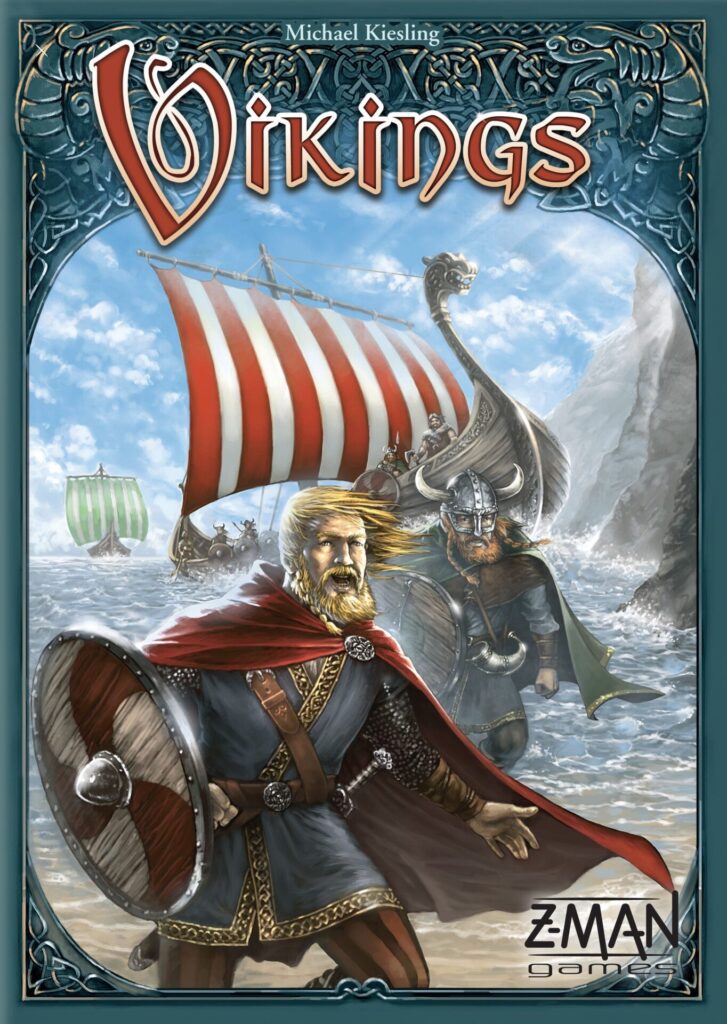
Vikings is a tile-laying strategy game where players build islands, place Vikings, and collect resources. Each turn, you choose a tile, rotate it, and add it to your board, then use your Vikings wisely. Careful placement earns gold and food, while smart timing brings victory.
Overview
Vikings turns island building into a tasty little brain workout. You place tiles, gather helpful workers, and balance short-term gains with long-term plans while your friends quietly steal the best spots. This guide contains an outline of the game rules, plus the best strategies for winning without starting a family feud over a wooden boat.
What’s in the box
- 1 game board
- 78 island tiles
- 76 Viking figures
- 25 ship pieces
- 4 player boards
- 4 player screens
- 4 scoring markers
- 4 income markers
- 1 starting player marker
- 1 cloth bag
How To Play Vikings: Rules Summary
In Vikings, you build islands, place Vikings, and collect gold and fish. Each turn, you buy one tile from the market and add it to your growing island chain. The player with the most points at the end wins. So, keep one eye on your plans and the other on your friends. They will steal your best tile if you blink.
Setup: Prepare the Sea and the Islands
- Give each player a player board and the Viking figures in their chosen color.
- Place the game board in the middle of the table. Put the wheel beside it and place the island tiles around the wheel.
- Give each player the starting gold shown in the game rules. Keep the remaining gold near the board as the bank.
- Shuffle the island tiles. Then, place the required number around the wheel to create the market.
- Choose the first player. For later rounds, the player with the fewest points usually starts.
- Finally, place the scoring markers and any boats or special pieces where the board shows them.
Gameplay: Buy Tiles and Build Your Kingdom
- On your turn, choose one face-up island tile from the market.
- Pay the gold shown by the tile’s position on the wheel. A tile farther from the marker costs more, while a tile beside the marker costs less.
- Move the marker to the space left by the tile. Then, refill the empty market space with a new tile when the rules call for it.
- Place the tile beside an island you already own. Match the shoreline, and keep the island’s land connected.
- Place the Viking shown on the tile. Put the figure in the matching area on your player board if the board uses those spaces.
- Use the tile’s Viking type at the proper time. For example, fishermen help you gain fish, while goldsmiths help you gain gold.
- Continue clockwise until every player has bought the required number of tiles or the market has emptied.
- After the buying phase, resolve the round’s scoring. Collect income, score active Vikings, and prepare the next round.
- Repeat the round until the game reaches its final scoring stage. Keep watching the market, because the best bargain rarely survives a full lap around the table.
Winning: Score More Than Your Rivals
- Score points during the game when your Vikings, islands, boats, and supplies meet their scoring conditions.
- Collect fish and gold when your matching Vikings earn them. Use these resources to support later turns and stronger scores.
- Gain bonus points for completing useful islands and placing the right Vikings in the right spots.
- At the end, resolve all final scoring rules. Count points from your islands, remaining resources, and any bonuses.
- Subtract any penalties listed by the game, including penalties for unused or stranded pieces.
- The player with the highest total wins. If players tie, follow the game’s tie-breaker, usually by comparing leftover gold or another resource.
Special Rules & Conditions: Watch the Fine Print
- You must pay the full cost of a tile before you place it. If you cannot pay, choose a cheaper tile or wait for a better turn.
- You must place each island tile legally. Keep land connected, respect the shoreline, and do not cover spaces that another tile already uses.
- Vikings only score when their required condition applies. A figure does not score just because it looks heroic. Mine looked heroic too, right before it earned nothing.
- Boats can carry Vikings and help certain Vikings score. Follow the board’s limits when you add or move them.
- Resolve effects in the order printed by the rules. First collect resources, then apply bonuses and penalties, unless the game states otherwise.
- When the market runs out, finish the current round before you begin the next one. Do not refill spaces unless the rules tell you to do so.
- Keep unused gold and fish where everyone can see them. Open information makes planning fair and stops sneaky pocket counting.
- When a special tile or Viking changes a normal rule, follow that special rule first. The tile always beats the general rule.
That covers the main rules of Vikings. Build carefully, spend gold with purpose, and grab key tiles before your friends do. After a few turns, the island chain will make sense. After a few more, someone will claim they had a perfect plan all along.
Best Vikings Strategies
Place Islands Like a Proper Viking
Therefore, build a useful route before grabbing tempting land.
Plan Your Route
- Place islands close enough to connect future moves.
- Then avoid lonely spaces that waste turns.
Protect Your Scoring
- Claim islands that support your strongest scoring chain.
- Also block opponents from completing theirs.
Watch the Board
- Check every player’s position before placing.
- Finally, choose flexible spots when the board changes.
In short, think ahead, stay flexible, and never let greed steer your longship.
Turn Every Resource into a Victory
Use each resource to build points, block rivals, and keep your options open. Therefore, plan ahead and avoid panic purchases.
Buy with Purpose
- First, collect enough coins for a useful tile; then stop gathering. Extra coins feel safe, but they often waste turns.
Protect Your Supply
- Next, watch food and wood before spending. Keep a small reserve, because a cheap purchase now can leave your next turn useless.
Time Your Big Move
- Finally, spend boldly when a scoring chance appears. In my last game, I waited one round, grabbed the key tile, and won by two points.
Steal the Moment: Timing Scoring in Vikings
In Vikings, scoring rewards players who strike at the moment. First, watch rival boards and score when points look weakest.
Hold Your Fire
- Therefore, delay a scoring move until it blocks an opponent.
- Meanwhile, keep one option open because plans change.
Set Up the Burst
- Next, build scoring paths before claiming one.
- Then, trigger the reward after rivals spend pieces.
Finish With Teeth
- Finally, count turns and score before the board cools.
- Also, use a scoring push to deny a finish.
So, stay patient, strike cleanly, and leave Vikings rivals staring at opportunities.
Rule the Islands, Then Brag Politely
Vikings rewards calm planning more than wild guesses. Place islands with purpose, save resources for the right moment, and watch your rivals before they pinch the points you wanted. In my games, the winner rarely made the flashiest move. They simply kept options open and scored when the board got tight. Play boldly, but dont forget to check the costs. A clever plan can sink fast when your purse is empty. After a few games, Vikings starts to feel less like a puzzle and more like a friendly battle for the best seat at the table.
Want to know what we think of Vikings? Read our detailed review of Vikings here