How To Play: Target
Target is a quick, competitive board game where players aim for the best scoring spaces while managing limited moves and clever timing. On your turn, choose an action, adjust your plans as the board changes, and watch your friends steal points. The player with the highest score wins.

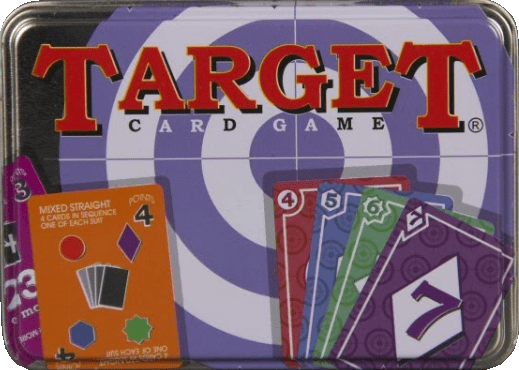
Overview
Target looks simple at first, but our first game quickly turned into a tense battle of clever choices and very loud table talk. Each move can help you score, block a rival, or leave you wishing you had planned ahead. In this guide, I’ll share an outline of the game rules, explain the key things to watch, and cover the best strategies for winning. Grab your friends, pick your targets, and try not to panic when your plan falls apart.
What’s in the box
- Please specify the publisher or edition of Target.
How To Play Target: Rules Summary
Target is a simple game of aim, choice, and timing. Players take turns selecting targets and trying to score points. First, set up the play area. Next, players complete their turns in order. Finally, the player with the most points wins. The rules stay easy, but a few special conditions can turn a safe lead into a sad little pile of defeat.
Setup: Get Everything Ready
- Place the Target board or target cards in the middle of the table.
- Give each player the same number of playing pieces, markers, or shots.
- Choose a first player. For example, the player who most recently hit a bullseye can start.
- Make a scoring area beside the board so everyone can see the points.
- Shuffle any target cards, then place them face down unless the rules say otherwise.
- Before play begins, agree on the number of rounds or the final score needed to win.
Gameplay: Take Aim and Score
- Starting with the first player, choose one available target or target card.
- Follow the target’s instructions. Then place your marker, take your shot, or complete the required action.
- Check the space where your marker lands. A closer hit usually earns more points, while a miss earns nothing.
- Record your score immediately. This prevents arguments and saves everyone from doing courtroom maths.
- After scoring, remove or mark the target if the rules require it. Then pass the turn to the player on the left.
- Continue taking turns until every player has used all pieces or the agreed number of rounds ends.
- If a target card gives a player another action, complete that action before passing the turn.
Winning: Claim the Top Score
- Wait until all players finish the final round or use all their playing pieces.
- Add each player’s points, including bonus points from special targets.
- The player with the highest total wins Target.
- If two or more players tie, compare their bullseye hits or highest-value targets.
- If the tie remains, play one extra turn each. The player who scores more wins.
Special Rules & Conditions: Watch the Fine Print
- A bullseye gives the highest printed score and may also provide a bonus. Check the target before scoring.
- A marker that touches two scoring areas earns the lower score unless the target says differently.
- A marker that lands outside the target scores zero. However, the player still uses that shot or piece.
- Players must keep their hands behind the throwing or placing line until they take their turn.
- Do not move a marker after it lands. If someone bumps the board, restore the marker as closely as possible and let the table agree on the result.
- When a target becomes unavailable, players must choose another legal target.
- Players may discuss plans, but they cannot move pieces, reveal hidden cards, or change a completed choice.
- Most importantly, follow the text on a target card when it conflicts with a normal rule. Special instructions beat the basic rules.
Best Target Strategies
Win the Points Before They Win You
After three games with my friends, I learned that players often chase big points and ignore easy bonuses. Instead, compare each action with the final goal, then adjust when the table shifts.
Read the Objective First
- First, read every scoring rule before taking a turn.
- Next, mark bonuses, penalties, and end-game triggers.
Score With Purpose
- Then, choose moves that serve two goals at once.
- However, skip flashy actions if they earn little.
Track the Race
- Meanwhile, watch rivals and note their likely routes.
- Therefore, grab contested rewards before opponents can claim them.
Plan the Finish
- Finally, count remaining turns and protect your lead.
- Still, keep a backup plan when luck gets rude.
Choose Targets, Not Trouble
Choosing targets with care wins more games than chasing every shiny option. In my last games, my friends grabbed flashy goals, while I chose smaller ones and built a lead.
Read the Board
- First, spot targets that match your current pieces.
- Then, avoid goals that force awkward moves.
Watch Your Rivals
- Next, notice which targets opponents need.
- However, do not block them unless the move helps you.
Value Easy Progress
- Choose targets you can finish soon.
- Also, favor rewards that support your next turn.
Change Plans
- Finally, switch targets when the board shifts.
- Keep your options open, because stubborn plans lose games.
Play the Clock, Tame the Chaos
Save Your Best Move
- Hold actions until they create momentum. However, wait until rivals commit, then punish their choices.
Read the Table
- Meanwhile, track turns, resource limits, and threats. Consequently, you can spot danger before it grows.
Set a Risk Limit
- Before each round, decide what you can afford to lose. If a gamble fails, recover instead of chasing pride.
Strike at the Right Moment
- Next, act when opponents lack answers. Likewise, avoid attacks that wake rivals.
Review After Every Turn
- Finally, ask whether the next move improves your position. If not, wait. Timing beats speed.
Take Aim, Stay Sharp, and Enjoy the Chaos
Target rewards players who plan ahead but stay ready to change course. Chase easy points when they appear, watch what your friends need, and save your best moves for the right moment. In our games, the biggest blunders came from chasing one perfect turn. Spoiler: it never arrived. Keep your goals clear, manage your risks, and don’t let one bad move ruin your mood. Target feels best when clever plans meet a bit of luck, so play boldly, laugh at the disasters, and aim for the win without taking every shot too seriously.
Want to know what we think of Target? Read our detailed review of Target here