How To Play: Storytelling
Storytelling: Quick Summary
After roping my friends into another night of How To Play storytelling, I learned the secret is listening well, mixing bluff with truth, and twisting prompts for laughs and points. The rules are simple, but the fun is in tricking your buddies and telling stories. Grab a pencil and get clever!

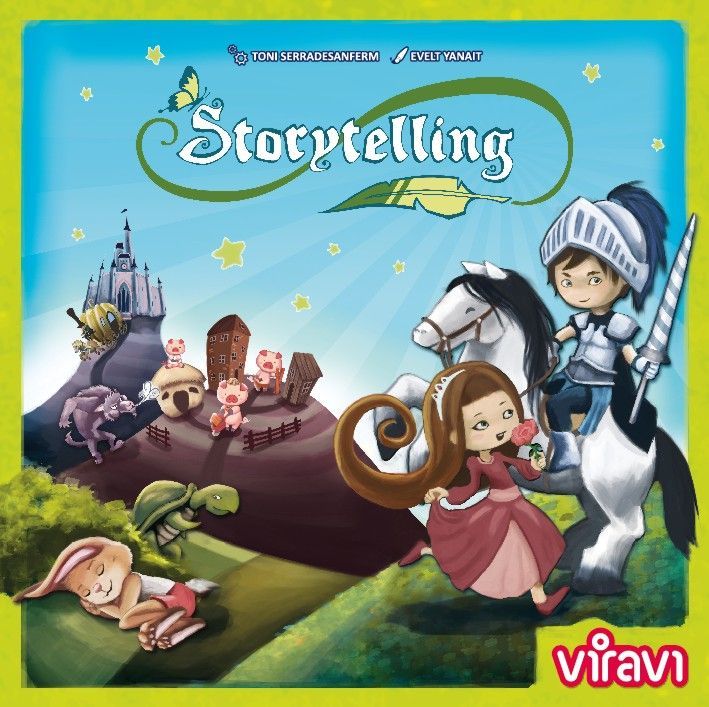
Welcome to the world of How To Play storytelling, where your noodle gets a real workout! If you’ve ever tried to out-tale your friends while keeping a straight face, you know how wild it can get. This guide gives you a quick outline of the rules (so you don’t embarrass yourself) and all my best tips for coming out on top—yes, even if your friends are serial fibbers.
Overview
What’s in the box
- 1 rulebook
- 120 story cards
- 1 sand timer
- 8 player tokens
- 1 scoring pad
- 8 pencils
- 1 game board
How To Play Storytelling: Rules Summary
Setup
- Unfold the game board and place it in the middle of your table (not on a pizza box, like we did the first time).
- Give each player a pencil, a token, and a scoring pad. Don’t try to eat the pencil, even if you skipped lunch.
- Shuffle the deck of story cards and put them face down. Place the sand timer nearby, ready to destroy hopes and dreams.
- Pick a player to go first—oldest, tallest, or whoever can tell the worst joke.
Gameplay
- The first player draws a story card secretly and reads the prompt out loud.
- That player starts telling a story based on the prompt, sneaking in a true detail and a complete whopper of a lie.
- As the tale unravels, the rest of us sit there, trying not to call out ‘liar!’ too early.
- After the story ends (and the sand timer runs out), other players each guess which part was true and which was fake using their tokens.
Winning
- Players get one point for every correct guess about truth or bluff in the story.
- The storyteller gets a point for every player they manage to fool. (Evil laughter recommended but not required.)
- Play as many rounds as you like (or until someone yells, ‘no more stories about your goldfish, Greg!’).
- Whoever has the most points at the end gets crowned Story Boss. Bonus points if they wear an actual crown.
Special Rules & Conditions
- If you repeat a story, you have to moo like a cow before telling it.
- If there’s a tie at the end, all tied players tell a lightning-fast bonus story. The group votes for the best one.
- Use the official ‘How To Play storytelling’ guide for any tricky rules or if Aunt Linda starts making up new rules.
So, that’s how we play it without flipping the table. Remember, the most important rule is to have fun and maybe learn a wild fact about your friends. Or at least what they think passes for fact!
Best Storytelling Strategies
Unleash Your Inner Bard: Winning With Creative Story Prompts
Start With the Unexpected
People always expect a regular story. Surprise them! When you play, toss in weird settings or odd characters. This keeps everyone on their toes and makes your turn shine.
- Drop a talking squirrel into a medieval quest.
- Make the hero allergic to adventure.
- Reveal a twist in the middle of your tale.
Connect To Players’ Lives
If you add small things other players know, they pay more attention. Use a friend’s funny habit in your story for laughs and votes.
- Name your character after a player’s pet.
- Add someone’s favorite drink as a magic potion.
- Twist a true event into your plot line.
Mix Truth With Nonsense
Blend real facts with made-up stuff. This messes with heads, making it harder to spot the fibs. In “How To Play storytelling” games, this trick wins rounds and respect.
- Tell a true story, then add a ghost.
- Sneak in a real-life location, but fill it with dragons.
Sharpen Your Ears: Listening to Players Like a Pro
Why Listening Matters
In How To Play storytelling, listening gives you the real scoop on every tale at the table. Missing clues is like running into a wall—painful and funny, but mostly painful.
Key Strategies
- Pay attention to small details, not just the big plot points.
- Notice repeated words or themes—someone might be hiding a lie!
- Ask clear questions if a story goes off the rails; you can catch fibbers this way.
- Watch body language for extra hints about who’s bluffing.
Listening in Action
Last game night, I caught my friend Tom in a whopper because he started sweating when I pressed him. Listening wins prizes—and snacks.
Master the Art: Balancing Truth and Bluff in Storytelling Games
Reading the Room
Pay attention to your friends’ reactions. This lets you time your tall tales. If you sense suspicion, lean on facts for a bit.
- Watch body language.
- Listen for doubt in their voices.
Mixing Truth with Fibs
Try blending facts with convincing lies. This keeps everyone unsure. Maybe your story is 70% true—just enough to sound real, but with a sneaky twist.
- Start with real events.
- Add a wild detail or two.
Keep ‘Em Guessing
Switch between honest and suspicious stories. This unpredictability makes you hard to catch. It’s like giving your friends mental whiplash!
- Alternate between truth and bluff.
- Let your confidence sell both.
These tips help you nail the art of How To Play storytelling. Your friends won’t know what hit them.
Wrap Up Your Story Like a Pro!
And that’s how you go from “once upon a bumbling fool” to “master of How To Play storytelling.” If you use these tips—make your stories wild, listen like your grandma’s telling family gossip, and mix truth with some top-shelf nonsense—you’ll leave your pals gasping, laughing, and maybe a little suspicious. Now go tell a tale or two. And remember: never trust a storyteller with crumbs in their beard.
Want to know what we think of Storytelling? Read our detailed review of Storytelling here