
How To Play: Pizza
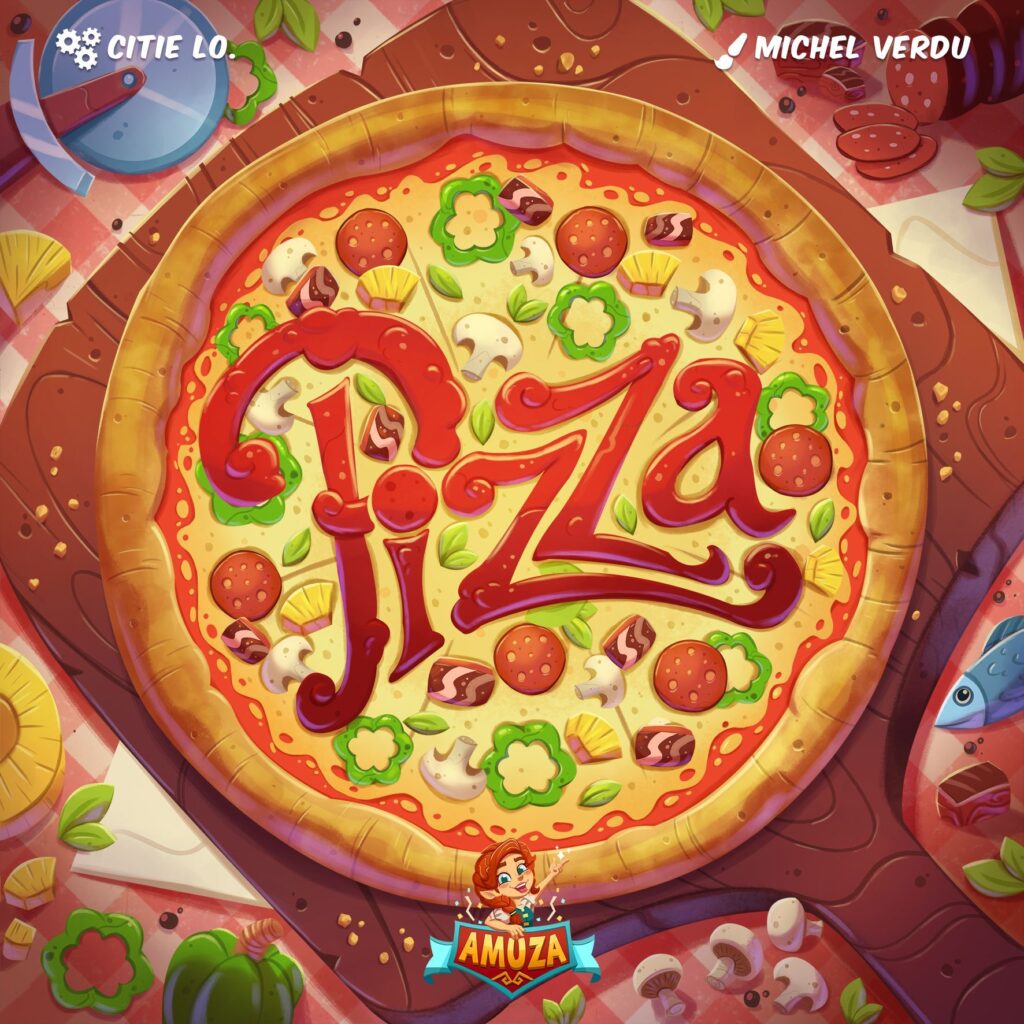
Pizza is a fast, tasty strategy game where players build orders, manage toppings, and use limited oven space to serve hungry customers. Each turn brings choices about timing, spending, and which pizzas to make. Plan carefully, chase demand, and keep your kitchen moving to earn the most money.
Overview
Pizza turns a simple meal into a tasty little battle for cash, timing, and happy customers. After playing several rounds with friends, I found that the best cooks plan ahead but still leave room for a surprise order—or a teammate stealing the toppings you needed. This guide gives you a clear outline of the game rules, explains how each turn works, and shares the best strategies for winning without burning your whole kitchen down.
What’s in the box
- Please specify the publisher or edition of Pizza.
How To Play Pizza: Rules Summary
Pizza looks simple at first: make orders, use toppings, manage your oven, and earn cash. However, the game rewards smart timing more than frantic cheese throwing. Follow these rules, and you can serve customers without turning your kitchen into a disaster.
Setup: Prepare the Pizzeria
- First, place the board, oven, money, topping pieces, order cards, and customer markers where everyone can reach them.
- Next, shuffle the order cards and place them face down in the marked area.
- Then, give each player the starting money and any starting toppings listed in the game instructions.
- Choose a first player. For example, the player who most recently ate pizza can start.
- Reveal the required number of customer or order cards. Finally, leave room near the oven for pizzas in progress.
Gameplay: Take Your Turn
- On your turn, check the available orders and choose one that you can complete or nearly complete.
- Next, collect, buy, or place the toppings needed for that order. Follow the order card exactly.
- Then, place the pizza in an open oven space. You cannot use a space that already holds another pizza.
- Resolve the oven timing rule. Depending on the edition, you may wait a set number of turns or use an action to finish the pizza.
- After the pizza finishes, deliver it to the matching customer and collect its reward.
- Finally, refill the order or customer display if the rules call for a new card. Then pass the turn clockwise.
Winning: Serve More, Score More
- Keep the money and points you earn from completed orders. The game tracks your progress with cash, points, or both.
- Complete orders carefully because unfinished pizzas usually earn nothing and may waste valuable toppings.
- Watch the end-game trigger. The game ends when the order deck, customer supply, or another stated condition runs out.
- Once the game ends, finish the current round if the rules require it.
- Count your points, money, bonuses, and penalties. The player with the highest final total wins.
Special Rules & Conditions: Avoid Kitchen Chaos
- Follow each order card before using general topping rules. A card always beats a casual guess about what belongs on a pizza.
- Respect oven limits. If every space holds a pizza, wait, deliver a finished pizza, or use an allowed action before starting another one.
- Manage your toppings and money together. Therefore, do not spend everything early unless the order gives you a strong return.
- Apply bonus and penalty effects as soon as they appear. In addition, resolve ties and special customer powers before the next player acts.
- If a card creates a conflict, read its special text first, then follow the main rules for anything it does not cover.
- When the supply runs out, use the edition’s stated replacement rule. Do not invent extra toppings from the snack cupboard, tempting though that may be.
Most importantly, plan one turn ahead. Pizza rewards players who keep an oven space open, save enough cash, and choose orders they can finish. Once everyone understands the flow, the game moves quickly—and your friends can argue about toppings instead of the rules.
Best Pizza Strategies
Build Better Pizzas, Not Topping Towers
Efficient topping and order choices can turn a messy kitchen into steady points. Ouch.
Check Orders First
- Scan every order before taking ingredients.
- Choose orders that share toppings.
Use Toppings Wisely
- Pick toppings that finish two pizzas.
- Save rare toppings for valuable orders.
Stay Flexible
- When an opponent steals a topping, switch plans.
- Prepare a simple pizza instead.
- Finally, refill common toppings early.
That plan kept my oven busy and my score climbing.
Win the Oven Race Before It Burns You
Watch the Queue
- First, check every pending order before taking another.
- Then, group pies sharing bake times together.
Plan Your Moves
- Next, use short actions while the oven works.
- However, avoid filling your counter with slow orders.
Protect One Slot
- Keep one oven slot open for a quick order.
- This flexibility often beats chasing a bigger score.
Read the Timer
- Finally, load long bakes first when several turns remain.
- Save quick pies for the final push.
- I once ignored this and watched a rival sprint past me.
Make Every Coin and Craving Count in Pizza
Protect Your Cash
- First, keep a small reserve instead of spending every coin. Then, buy only upgrades that earn money soon.
- Also, avoid flashy purchases when your wallet looks sad.
Read Demand
- Watch which customers pay the most. Next, serve those customers before cheap orders drain your stock.
- However, do not ignore easy sales when premium demand drops.
Build a Safety Net
- Save enough cash to recover after a weak round. Meanwhile, choose steady income over risky bonuses.
- Finally, track demand changes and shift your plan early. My friends chased big payouts, while I banked steady cash and won. It felt almost unfair, which means it worked.
Serve Hot, Think Fast, Win Big
Pizza rewards players who plan ahead without getting stuck in the weeds. Watch the orders, protect your cash, and keep the oven working like it owes you money. In our games, the winner rarely chased every big order. They took steady points, timed their best moves, and left room to recover from a burnt crust or two. Learn the flow, stay flexible, and make each action count. With a little practice, Pizza turns from a frantic kitchen mess into a tasty little battle of wits. Just try not to argue over the last pepperoni.
Want to know what we think of Pizza? Read our detailed review of Pizza here