How To Play: New York
How To Play New York isn’t just about luck. You need smart property buys, slick resource tricks, and sharp timing with your cards. We cracked up over failed real estate schemes and surprise comebacks. If you want to win, focus on money, timing, and knowing when your friends are bluffing.

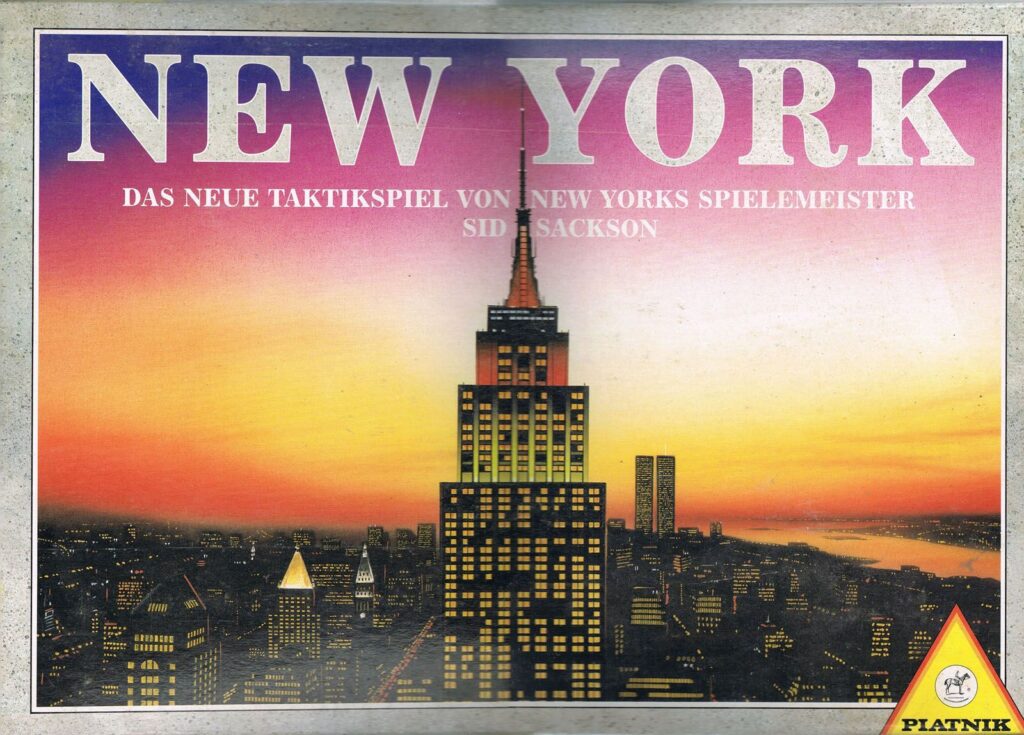
Overview
Welcome, fellow board game fans! If you’ve ever found yourself lost on how to play New York, you’re in the right place. Here’s my simple guide—fresh from our living room battles—packed with the game rules and the best strategies for crushing your friends (or at least not coming last). Grab a coffee and let’s roll right into the chaos of New York!
What’s in the box
- 1 Game Board
- 66 Building Cards
- 60 Money Tokens
- 15 Skyscraper Pieces
- 5 Player Boards
- 5 Scoring Markers
- 1 Rulebook
- 35 Action Tokens
- 10 Bonus Tiles
How To Play New York: Rules Summary
Getting Set Up For Action
- Hand out player boards, tokens, and money. Each person grabs their favorite color. I always go yellow, because, why not?
- Place the main board in the center. Spread out property cards and special decks nearby. Make sure there’s enough table space! My pal Steve once knocked the board on the floor… don’t be Steve.
- Shuffle all cards and deal starting resources. Give everyone the same starter pack. Everyone starts equal, at least until my competitive cousin starts plotting.
- Pick a start player. We usually argue, but you can roll a die or pick the last person who lost a subway bet.
Gameplay: Hustle On The Streets
- On your turn, draw a card. You never know what New York will throw at you!
- Make a move: buy property, upgrade buildings, or collect rent. Choices matter! Once, I blew all my cash on Park Avenue and went bankrupt in two rounds.
- Use action cards for bonuses or to mess with opponents. Nothing like dumping a traffic jam on your friend’s hotel.
- End your turn and let the next hopeful tycoon take their shot. Keep snacks nearby—turns can get dramatic!
Winning: Claiming The Big Apple
- The game ends when all properties are bought or someone runs out of money. Usually, it’s me, but hope springs eternal!
- Count up cash, properties, and special bonuses. The player with the most points is crowned the King (or Queen) of New York.
- Brag loudly, but beware, payback comes next game.
Special Rules & Tough Spots
- Beware of bankruptcy! If you can’t pay debts, you’re out. Grab some popcorn and heckle from the sidelines.
- Some cards have wild effects—like causing subway delays or surprise rent hikes. Always read them carefully. Trust me, I once tanked my whole game by missing a fine print.
- If two players tie, the one with more property wins. If still tied, settle it with good old-fashioned arm wrestling (or just share the victory).
With this guide on How To Play New York, you’ll jump right in without fear. Now, get your crew together, pick your color, and may your dice roll better than mine ever do!
Best New York Strategies
Mastering Efficient Property Development for Board Game Domination
Start Strong: Pick Prime Real Estate
Early in the game, I always rush to grab high-traffic spots. My friend Greg weeps when I claim Broadway first. You should too!
- Snag properties near the center.
- Watch your rivals’ moves and adjust fast.
Upgrade Smartly: Don’t Overbuild
Tempting as it is, adding hotels everywhere can backfire. Instead, time your upgrades to avoid cash flow problems.
- Only upgrade when you have spare cash.
- Focus on one color group before branching out.
Balance Risk: Diversify Holdings
If you spread your investments, you’ll survive bad luck. I learned this while avoiding total bankruptcy during one fiery How To Play New York showdown.
- Own at least one safe property in different zones.
- Trade with others, but never give away a monopoly!
How To Play New York: Mastering Resource and Money Management
Track Your Income
First, always know how much cash and resources you rake in each turn. This way, you avoid nasty surprises when an unexpected fee pops up.
- Use a tracker sheet.
- Count income before spending.
Spend Wisely
Next, only splash out when it helps you win, not just to show off. My friend Tim once bought every upgrade, then couldn’t pay rent. Oops.
- Prioritize game-winning purchases.
- Save for key moments.
Balance Investments
Finally, spread your cash between fast returns and long-term gains. After a few tries, I found this keeps your engine running smooth and steady.
- Buy a mix of properties and upgrades.
- Reinvest earnings smartly.
Mastering the Moment: Timing and Card Utilization in New York
Know When to Strike
- Hold strong cards until just before your opponents’ big moves.
- Wait until a player looks safe, then play your disrupt card for maximum chaos.
Maximize Combo Power
- Chain cards together for double or triple effects—you’ll surprise yourself and everyone else at the table.
- Keep close track of cards in play to set up awesome combos.
React and Adapt
- Switch up your plan if someone throws you a curveball card; don’t get stuck.
- Watch the discard pile and grab chances when they pop up.
I won my last How To Play New York game this way. Sometimes, waiting one more turn with my best card made all the difference!
The Big Apple Awaits: Your Next Move!
Well, that’s it folks! Now you know How To Play New York and how to hustle like a true city slicker. Trust me, once you’ve snatched a victory out from under your friends’ noses (bonus points if you do it while eating a hotdog), you’ll feel like the mayor of the board. Remember: pick smart properties, keep your money tight, and never let your cousin Vinny handle the cards (he still owes me three hotdogs and a free taxi ride). Good luck out there—may your taxis be speedy and your opponents confused!
Want to know what we think of New York? Read our detailed review of New York here