
How To Play: Napoleon
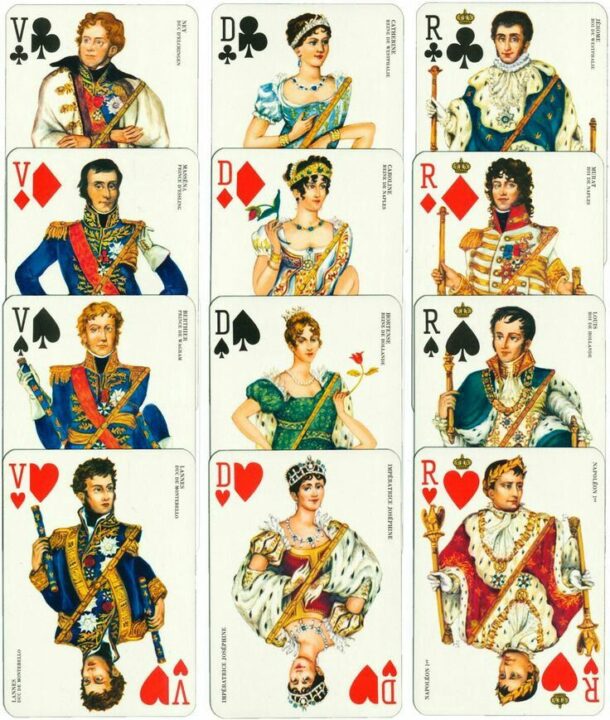
Napoleon is a strategy board game about commanding armies, managing territory, and outthinking rival players. On each turn, players move forces, gather resources, plan attacks, and react to shifting threats. Victory comes from choosing battles wisely, protecting key areas, and building enough power to control the board.
Overview
Napoleon turns every table into a tense little war room, complete with bold plans, nervous glances, and at least one friend blaming the dice. After several games with my usual crew, I learned that brave attacks help, but smart timing wins more battles. This guide gives you a clear outline of the game rules, then shares the best strategies for winning. Keep your supply lines tidy, watch your rivals, and try not to invade everything at once.
What’s in the box
- Please specify the publisher or edition of Napoleon.
How To Play Napoleon: Rules Summary
Napoleon comes in several board game editions, so small rules can change. The guide below explains the common version: players lead armies, claim territory, manage supplies, and fight for victory. So, here is the simple version.
Setup: Prepare the Map and Armies
- Place the game board in the middle of the table.
- Give each player an army, control markers, starting money, cards, or other pieces listed in the rulebook.
- Place armies and markers in each player’s starting region.
- Shuffle any cards, then deal the starting hands or draw the starting cards.
- Choose the first player. For example, the player with the highest starting rank can begin.
- Set the turn marker, dice, resource tokens, and victory point track where everyone can reach them.
- Read the scenario or mission card before play. It may change the starting areas, goals, or special rules.
Gameplay: Move, Fight, and Manage Your Empire
- Begin each round with the current player. Then play continues clockwise unless the scenario says otherwise.
- Collect income, supplies, reinforcements, or cards shown by your controlled areas.
- Move your armies along connected roads, borders, or sea routes. Follow any movement limit on your army or card.
- You may move through friendly areas, but enemy areas usually stop your movement and start a battle.
- Declare attacks before rolling dice or revealing battle cards. Then compare the attacking and defending forces.
- Resolve battles by following the game’s dice, card, strength, and terrain rules. Apply losses immediately.
- After a battle, the winner keeps or claims the area unless a special rule says the forces must retreat.
- Use cards, leaders, money, or special actions during the allowed part of your turn. However, follow timing rules carefully.
- End your turn by checking supply, discarding down to the hand limit, and passing play to the next player.
- Continue until a player meets the victory condition or the scenario reaches its final round.
Winning: Claim Victory Before Your Rivals
- Check the scenario first, because Napoleon can use different victory goals.
- Win by controlling the required regions, scoring the needed victory points, completing your mission, or holding a key city.
- Some games award victory for defeating an opposing army or controlling the map at the end of a set number of rounds.
- If more than one player meets the goal, compare victory points, controlled areas, remaining forces, and resources in that order.
- If a tie remains, follow the edition’s tie-breaker. Do not settle it with a real duel, even if your friend acts very smug.
Special Rules & Conditions: Watch the Fine Print
- Terrain can change movement, defence, battle strength, or supply. Mountains and rivers rarely make life easy.
- Leaders may improve movement, combat, recruitment, or card use. Protect them when possible.
- Armies without supply may lose strength, stop moving, or suffer extra battle losses.
- Fortresses and capital cities may give defenders bonuses or require attackers to spend extra actions.
- Some cards cancel attacks, add troops, change dice results, or create sudden events. Resolve each card exactly as written.
- Players may need to follow a historical alliance, secret objective, or faction rule. These rules can limit attacks or change victory goals.
- A player may retreat only when the rules allow it. A retreat normally moves the army to a friendly area and can still cause losses.
- When a player loses their capital, army, or final controlled area, check the edition’s elimination rule. Some games remove that player, while others allow a comeback.
- When the game ends, finish the current round if the rules require it. Then score all areas, missions, cards, and bonuses.
- Keep the rulebook nearby for unusual cases. Napoleon rewards bold plans, but it also loves hiding one nasty exception in tiny print.
That covers the basic flow of Napoleon: set up your forces, gather resources, move with care, fight at the right time, and chase the stated victory goal.
Best Napoleon Strategies
Win Early: Napoleon’s First Moves Matter
First, secure income and recruit only what your economy can feed. Next, place leaders near useful roads and supply points. Finally, watch rivals before choosing a target. These steps keep your army ready without draining your purse.
Build a Safe Base
- Take nearby resources first during the opening round.
- Guard your capital, because a lucky raid hurts.
Prepare Your Forces
- Recruit balanced units; then keep reserves.
- Move generals early, but avoid needless fights.
Read the Table
- Track enemy spending.
- Strike only after opponents commit elsewhere.
March Smart, Fight Strong: Army Movement and Supply
Protect Your Routes
- Keep armies near friendly cities or depots.
- Move scouts first; then send troops along safe roads.
- However, avoid deep enemy land until supplies follow.
Pack Enough Food
- Carry supplies for one extra turn.
- Capture depots early, then guard them.
- Also, use rivers and roads to save movement.
Time Your Advance
- First, pause when winter or raids threaten.
- Next, attack when nearby units can help.
- Finally, retreat before hunger defeats your army.
Good supply work wins more battles than flashy charges. Your soldiers need courage, but they also need lunch.
Win the War Before the Dice Roll
In Napoleon, timing beats courage. Alliances helped me wait, watch, and strike.
Pick the Moment
- First, attack when rivals clash elsewhere.
- Next, strike after they spend key cards.
Forge Short Deals
- Offer help that advances your plan.
- Promise one turn, then reassess.
Break With Care
- Warn allies before you turn.
- Move troops first, then attack.
Finish Strong
- Let weakened leaders fight; claim the prize.
March Smart, Fight Hard, and Blame the Dice
Napoleon rewards players who plan ahead but stay ready to change course. Protect your supply, watch your rivals, and pick battles that help your wider plan. Keep your army useful, your allies close, and your ego on a short leash. With practice, you’ll spot better openings and make sharper moves. Napoleon gives you plenty of room to outthink the table, so lead boldly—but always leave yourself a way out.
Want to know what we think of Napoleon? Read our detailed review of Napoleon here