
How To Play: Focus
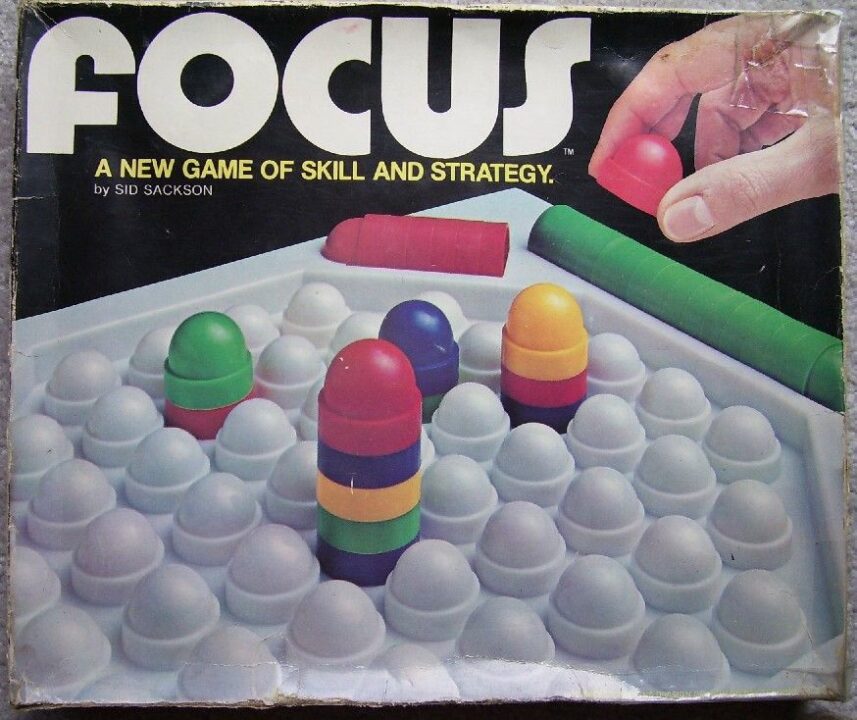
Focus is a tactical abstract game where players move stacks of pieces across a square board. Each move travels orthogonally a number of spaces equal to the stack’s height. Landing on enemy pieces captures them, while clever blockades and positioning can trap opponents, steal their pieces, and secure the win.
Overview
Focus looks calm at first, but give it a few turns and your brain starts doing cartwheels. I played it with friends, and every move felt like a small puzzle with a sneaky punchline. This guide explains the core rules, how pieces move, and what happens when stacks grow. It also gives you the best strategies for winning, from smart captures to setting traps without walking into one yourself. Bring snacks. You may need them.
What’s in the box
- 1 game board
- 36 playing pieces
- 1 rulebook
How To Play Focus: Rules Summary
Focus looks simple, but those little stacks can cause big trouble. Follow these rules, and you will soon know how to build stacks, capture pieces, and trap your opponent.
Setup
- Place the 6-by-6 board between the players.
- Give each player 18 pieces in their chosen color.
- Each player places their 18 pieces on the three rows nearest them, with one piece on each space.
- Choose the first player. For a fair game, the player with the lighter pieces may start.
- Keep captured pieces nearby. Players may bring these pieces back into play later, so do not chuck them under the sofa.
Gameplay
- On your turn, choose one stack that you control. You control a stack when your piece sits on top.
- Count every piece in that stack. Then, move the stack exactly that many spaces in one straight line: up, down, left, or right.
- Move over empty spaces and occupied spaces, but do not jump over a stack or stop before you reach the full distance.
- You may land on an empty space, your own stack, or an opponent’s stack.
- When you land on another stack, place your moving stack on top of it. The top piece now decides who controls the combined stack.
- After you join stacks, check the height. If the stack has more than five pieces, remove pieces from the bottom until only five remain.
- Return each removed piece to its owner. Those pieces count as captured, but they can return to the board on a later turn.
- Next, the other player takes a turn. Keep moving and joining stacks until someone meets the winning condition.
Winning
- Win by capturing all of your opponent’s pieces on the board and in their reserve.
- You also win if your opponent has pieces left but cannot make a legal move.
- Check both conditions after every move. Sometimes a player has pieces but no safe or legal way to use them.
- If your opponent cannot move, the game ends at once. Do not give them one last heroic wiggle; Focus shows no mercy.
Special Rules & Conditions
- A stack can never hold more than five pieces. Remove extra pieces from the bottom as soon as a stack grows too tall.
- The piece on top controls the whole stack, even when most pieces underneath belong to the other player.
- A player may move only a stack they control at the start of their turn.
- A stack must move its full distance. For example, a three-piece stack must travel exactly three spaces in one straight direction.
- A stack cannot jump over another stack, even when the blocking stack belongs to the same player.
- A stack cannot move outside the board. Therefore, edge spaces limit your choices and corners can become nasty little prisons.
- Captured pieces return to their owners. However, they do not move by themselves until a player places them into a stack or uses them according to the game’s setup and turn rules.
- If a player has no legal move, that player loses immediately, even if some of their pieces remain on the board.
Best Focus Strategies
Build a Winning Tower: Master Stacking and Captures in Focus
Start with Safe Stacks
-
First, stack pieces only when the move improves your options. In my games, I keep one stack near the center, but avoid feeding a capture.
Capture with Purpose
-
Next, capture lone pieces when they block routes or threaten your stack. However, do not grab every target; capture can pull your stack away from safety.
Build Pressure
-
Then, add pieces to a tall stack before attacking. A larger stack controls more spaces, so opponents must react. Meanwhile, leave a stack behind as backup.
Finish the Trap
-
Finally, close escape paths before capturing. If your opponent has one move, wait and force it. Afterward, capture the stack and race home.
Own the Middle, Own the Match
Claim the Key Squares
- First, place pieces near the center, so you control more routes and force awkward replies.
Build Flexible Lines
- Next, spread your groups across nearby spaces. This keeps movement options open; meanwhile, it stops one enemy move from ruining your plan.
Watch the Edges
- However, never chase the center blindly. Leave an edge route available, because a crowded middle can trap your own pieces later.
Turn Pressure into Points
- Finally, use central reach to threaten two areas at once. Then, when opponents defend one side, switch quickly and seize the lane.
Turn Traps into Triumphs: Escape and Blockade Plans
After you spot danger, protect the piece that can open a route. Then, build blockades that force awkward choices. Finally, keep one backup path ready, because boards rarely behave politely.
Spot Trouble Early
- Watch pieces with only one safe move.
- Check every enemy route before moving.
Build Useful Blockades
- Close routes that lead toward your weak stacks.
- Leave one lane open for your own escape.
Prepare the Exit
- Move a blocker before danger arrives.
- Save a flexible piece for emergencies.
- Recheck the board after every capture.
Therefore, escape first, trap second, and never trust a quiet corner.
Think Ahead, Then Make Your Move
Focus rewards players who spot trouble before it arrives. Keep your stacks useful, fight for the center, and always leave yourself a way out. A clever capture can win the turn, but a careless one can trap your best pieces like a fly in a jar. After several games with my friends, we found that patience beat flashy moves more often than not. Watch the board, count your options, and make each move serve a plan. Focus looks simple, but it keeps your brain busy right to the final piece.
Want to know what we think of Focus? Read our detailed review of Focus here