
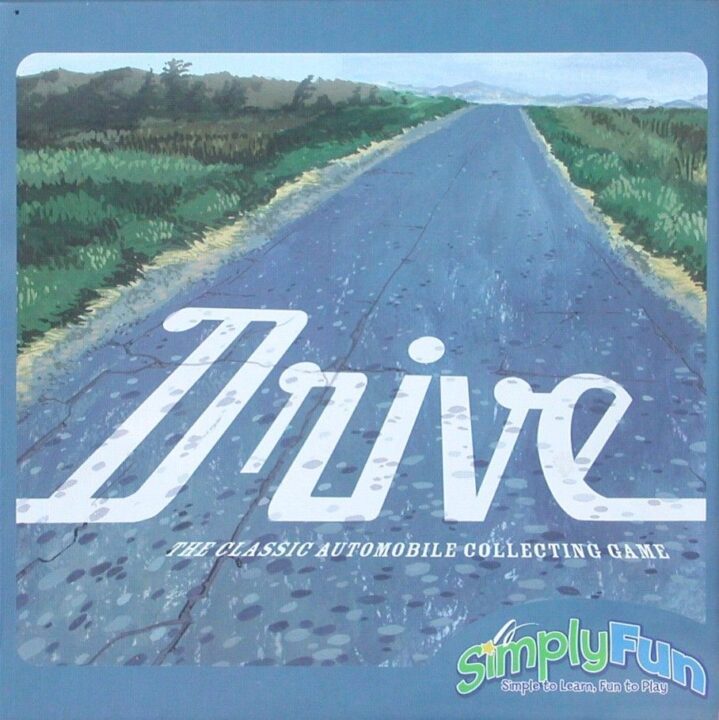
How To Play: Drive

Drive is a fast racing board game where players manage cards, push their cars around the track, and hunt for the best lines. Choose when to boost, risk shortcuts, and block rivals. After a few races with friends, I found it easy to learn, tense, and gloriously petty.

Overview

Drive turns every race into a tense scrap for speed, space, and bragging rights. I played it with friends, and our polite racers vanished by the second corner. This guide gives you a clear outline of the game rules, from setting up your cars to crossing the finish line. It also shares the best strategies for winning, whether you love bold moves, clever card play, or making rivals eat your dust.

What’s in the box

  • 1 game board
  • 6 car miniatures
  • 6 player boards
  • 48 driving cards
  • 12 boost cards
  • 6 driver cards
  • 30 tokens
  • 6 player markers
  • 1 rulebook

How To Play Drive: Rules Summary

Drive is a fast racing game where you manage cards, chase the best line, and try not to turn your car into a very expensive hedge ornament. Follow these rules, and you can start your first race with confidence.

Setup: Get Your Race Engines Running

  1. First, place the race board in the middle of the table.
  2. Next, each player chooses one car and places it on the starting space.
  3. Shuffle the movement cards and deal the starting hand shown in your edition’s rules.
  4. Then, place the boost tokens and any shortcut markers beside the board.
  5. Choose the first player. For example, the player who most recently drove a car can take the first turn.
  6. Finally, check the track. Point out the finish line, boost spaces, corners, and shortcuts before the race begins.

Gameplay: Push Your Luck and Hold Your Line

  1. On your turn, choose and play one card from your hand.
  2. Move your car the number of spaces shown on that card. Follow the track in the correct direction.
  3. Afterward, resolve the space where your car stops. A boost may add movement, while a hazard may slow you down or force a small penalty.
  4. You may use a shortcut when your car reaches its entrance and meets the printed conditions. However, shortcuts often cost more movement or carry extra risk.
  5. Next, draw a replacement card if the rules or card effect tells you to do so.
  6. Continue clockwise around the table. Keep your cards secret unless a rule says otherwise.
  7. Most importantly, watch the cars ahead. A player who blocks the best line can make a rival lose more time than a bad card.

Winning: Cross the Line First

  1. Keep racing until a car crosses the finish line.
  2. Usually, the first player to cross wins the race immediately. If the track requires a set number of laps, complete those laps before claiming victory.
  3. If two cars cross during the same effect, compare their final positions. The car farther along the track wins.
  4. Finally, if the game uses points across several races, record the finishing order and begin the next race as instructed.

Special Rules & Conditions: Mind the Bumps

  1. A car cannot move backward unless a card or track rule allows it.
  2. If another car blocks your space, follow the collision rule printed in the game. Do not simply stack cars unless the rules allow stacking.
  3. When a card gives you a choice, decide before you move. This keeps players from changing plans halfway through the turn.
  4. Use a boost only when its condition allows it. You cannot save a boost after the race ends.
  5. When a shortcut includes a penalty, resolve that penalty as soon as you use the shortcut.
  6. If the draw pile runs out, reshuffle the discard pile to make a new deck, unless the scenario gives a different instruction.
  7. When a card and the rulebook disagree, follow the card. Specific card text beats the general rule.
  8. Above all, resolve effects in the order they appear. That small habit prevents most table debates and at least three dramatic sighs per race.

Best Drive Strategies

Win the Race Before Your Engine Cools


Choose Your Car

  1. First, compare each car’s speed, handling, and card slots. Then pick the car that fits your driving style, rather than chasing the flashiest stats.

Build a Useful Hand

  1. Next, keep cards that match your car. Also, save boosts for long straights, while using handling cards before sharp bends.

Watch Your Fuel

  1. Meanwhile, check fuel often. If you run low, choose steady cards early. Therefore, avoid wasting power on small gains.

Plan Each Turn

  1. Finally, count upcoming corners before playing. Keep one recovery card nearby; it can rescue a bad line.

Win the Race Before It Starts: Timing Boosts and Shortcuts


Boost on the Straight

  1. In Drive, save boosts for moments that create a clear gain.
  2. First, watch the road ahead; then boost before a long straight, never during a tight turn.

Choose Smart Shortcuts

  1. Choose shortcuts only when they cut enough distance to repay their risk.
  2. However, skip paths that force slow turns or leave you boxed in.

Watch the Pack

  1. Meanwhile, track opponents before committing.
  2. If rivals crowd one route, take the safer line and pass when they lose speed.

Save the Final Push

  1. Finally, save one boost for the last straight.
  2. In my games with friends, this timing won more races than flashy moves. That plan kept us ahead at the finish.

Read the Road, Then Steal Their Best Line


Spot Their Entry

First, watch where each rival enters a turn. In Drive, players often hug one side before committing.

  1. Track their usual entry point.
  2. Notice who brakes early or swings wide.

Predict the Exit

Next, follow their angle toward the exit. A smooth line usually reveals their next move before they make it.

  1. Mark the space they leave open.
  2. Expect wide drivers to need more room.

Force Awkward Choices

Then, position yourself where their line looks worst. My friends hated this move because it made every turn feel like a quiz.

  1. Block the clean side.
  2. Make them choose between speed and safety.

Change Your Read

Finally, stay alert. Good players adjust, so yesterday’s pattern may fool you today.

  1. Compare their last two turns.
  2. React to fresh movement, not old habits.

Cross the Finish Line With a Plan

Drive rewards players who stay sharp, save their best cards, and pick the right moment to floor it. Do not chase every shortcut like a raccoon near an open bin. Watch your friends, track their options, and keep a boost ready for the final push. After several games, we found that calm choices beat wild guesses more often than not. Of course, someone still made a huge mistake and blamed the road. That is part of the fun. Plan well, react fast, and enjoy the chaos all the way to the finish.

Want to know what we think of Drive? Read our detailed review of Drive here

Jamie in his proper element: With all of his board games
Jamie Hopkins

With years of dice-rolling, card-flipping, and strategic planning under my belt, I've transformed my passion into expertise. I thrive on dissecting the mechanics and social dynamics of board games, sharing insights from countless game nights with friends. I dive deep into gameplay mechanics, while emphasizing the social joys of gaming. While I appreciate themes and visuals, it's the strategy and camaraderie that truly capture my heart.