
How To Play: Colorado
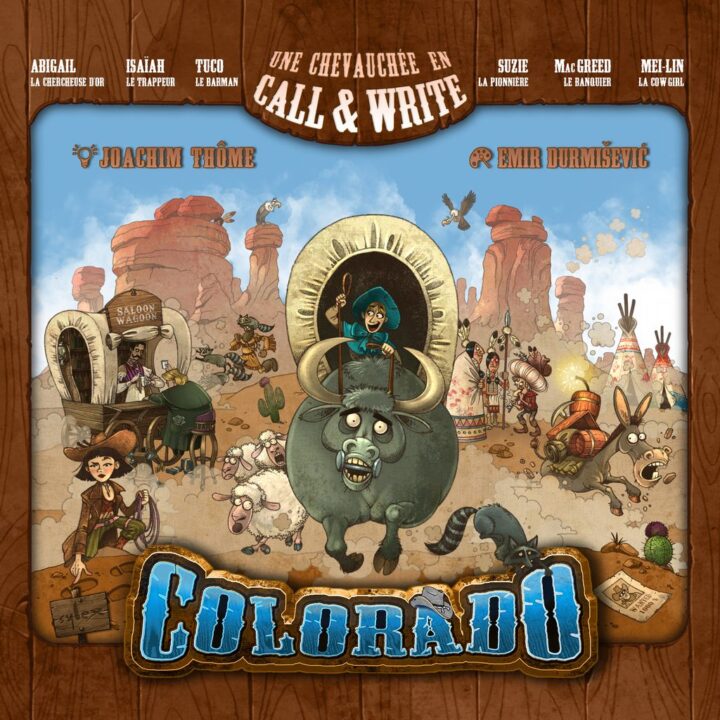
Colorado is a light strategy game about exploring the American frontier. Players use cards to travel, gather useful items, complete objectives, and build their score. Each turn asks you to weigh safe progress against better rewards, while watching rivals steal the best chances. It’s quick, friendly, and sneakily competitive.
Overview
Colorado turns a table into a race across wide-open country, where smart moves matter more than a lucky hat. I’ve played it with friends, and we found that every choice can help your journey—or leave you stuck watching others gallop ahead. This guide gives you a clear outline of the game rules, explains the main actions, and shares the best strategies for winning. Saddle up, keep your plans flexible, and watch those other trailblazers.
What’s in the box
- 1 game board
- 4 player boards
- 110 cards
- 4 player pawns
- 4 scoring markers
- 20 camp tokens
- 12 objective tiles
- 1 rulebook
How To Play Colorado: Rules Summary
In Colorado, players explore the frontier, collect useful cards, and build the best set of discoveries. First, prepare the shared card area. Then, take turns playing cards and choosing smart rewards. Finally, count points and check special bonuses. Keep an eye on your rivals, because a quiet player may be planning a very loud victory.
Set Up Camp Before the Journey Begins
- Give each player a player board and the matching pieces.
- Shuffle the main cards and place the deck face down in the centre of the table.
- Reveal the required cards to form the shared display.
- Give each player the starting hand shown in the game rules.
- Place the remaining tokens and bonus pieces within everyone’s reach.
- Choose a first player. Afterward, play continues clockwise.
Gameplay: Explore, Collect, and Plan Ahead
- On your turn, play one card from your hand and follow its action.
- Use the card to explore, collect a card, gain a token, or complete another action shown by the game.
- Place cards and tokens in the correct areas of your player board.
- Resolve every part of the action before the next player takes a turn.
- Draw back up when the rules or your action tells you to do so.
- Refill the shared display whenever a card leaves it.
- Continue clockwise. Watch the display closely, because another player may grab the card you wanted.
Winning: Turn Good Choices Into Points
- Keep playing until the end condition appears, usually when the card supply or another required area runs out.
- Finish the current round so every player receives the same number of turns.
- Score the points shown on your collected cards, board areas, tokens, and completed goals.
- Add bonus points from sets, special cards, and other end-game effects.
- Subtract any penalties that your cards or unfinished goals create.
- The player with the most points wins Colorado. If players tie, use the game’s tie-break rule.
Special Rules & Conditions: The Frontier Has Teeth
- Follow the text on a card before applying normal actions. Card text takes priority when it conflicts with a basic rule.
- Take only the cards, tokens, and rewards that the action allows. The game does not reward hopeful grabbing.
- Keep hidden cards secret unless an effect tells you to reveal them.
- Refill empty spaces immediately when the rules call for a new card.
- If the deck runs out, reshuffle the discard pile only when the rules allow it.
- Apply end-game bonuses and penalties before comparing scores.
- When an effect cannot happen, skip that part and resolve the rest of the action if possible.
That covers the core rules. Build toward useful sets, time your actions well, and make your rivals wonder what you are plotting.
Best Colorado Strategies
Plot Your Path, Then Pounce!
Start with flexible routes
- Choose routes that serve two goals at once.
- Keep one backup path open, so a blocked line does not wreck your turn.
Watch the timing
- Claim a route early when it unlocks several spaces.
- However, wait if another player needs it and cannot replace it easily.
Switch before opponents do
- Check rival routes each round.
- If someone circles your target, shift toward a shorter link.
Honestly.
Master Your Colorado Hand Before It Runs Dry
Value Every Card
- First, keep flexible cards. They solve several problems and stop your hand from becoming a sad museum of useless paper.
- Next, spend narrow cards only when they secure a clear gain.
Build Resources Early
- Gain steady resources before chasing flashy rewards. In my games, players who rushed usually begged for help by round three.
- However, avoid collecting more than you can use.
Time Your Spending
- Therefore, spend cards in pairs when possible. One action should improve your position while preparing the next.
- Save a strong card for your final push.
Watch Your Friends
- Finally, notice who lacks resources. Trade or block at the right moment, because Colorado rewards timing, not hoarding.
Read the Table, Steal the Win
Reading opponents in Colorado can turn a close match into a tidy win.
Watch Their Clues
- First, track repeated questions; they often reveal the card she wants.
Spot Quiet Gaps
- Next, notice what she ignores, because those gaps expose her real target.
Hide Your Intent
- Then, keep your strongest move hidden until she commits. Afterward, block only when the payoff matters.
Test Every Signal
- Finally, count her actions and predict her final turn. However, never chase one clue; players bluff badly. Therefore, compare clues before acting. Patience beats flashy guesses.
Ride Smart, Then Grab the Best View
Colorado rewards players who plan ahead without clinging to one perfect route. Watch the cards, track the routes your friends want, and spend your resources before they turn into sad little leftovers. In my games, the winner rarely made the flashiest move. They simply spotted the right moment and acted before everyone else caught on. Keep your plans flexible, stay alert, and don’t fear a small risk. Colorado gives you plenty of chances to recover, but only if you keep moving. And please, for the love of board games, check the rules before blaming the mountain.
Want to know what we think of Colorado? Read our detailed review of Colorado here