
How To Play: Carnival
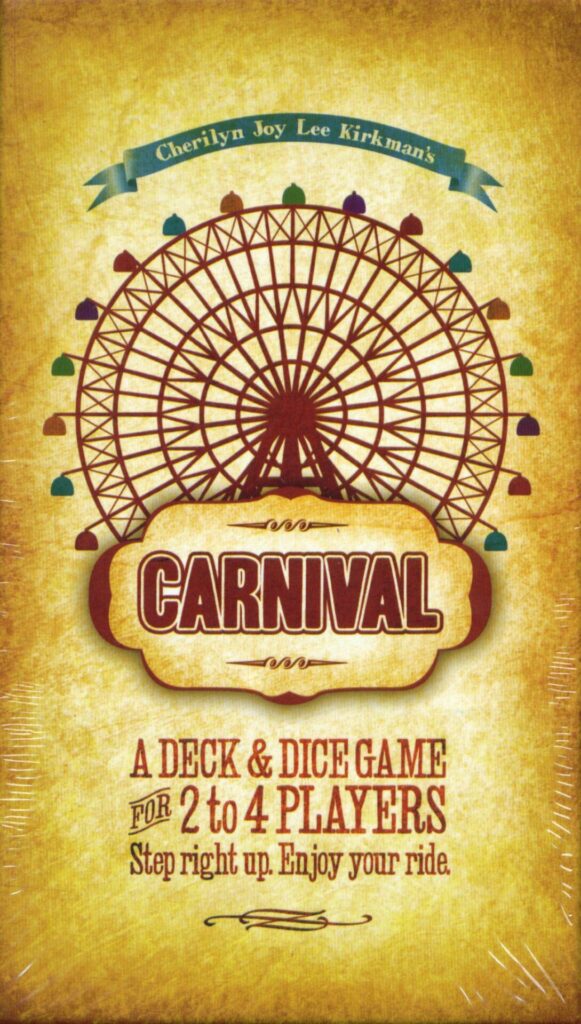
Carnival is a lively strategy game where players build attractions, manage money, and improve their shows to earn the most points. On each turn, place tiles, buy useful upgrades, and watch your rivals’ plans. Smart timing matters, since the player who triggers the finale can shape the final scoring.
Overview
Carnival turns a cheerful fairground into a quiet battle for clever players. You will place tiles, manage money, improve your attractions, and try to score more points than your friends before the fun rolls away. I played Carnival with a lively group, and our friendly fair became surprisingly ruthless by the final round. This guide contains a clear outline of the game rules, plus the best strategies for winning without selling your shoes for extra cash.
What’s in the box
- 1 game board
- 4 player boards
- 4 player markers
- 60 attraction tiles
- 40 upgrade tiles
- 80 money tokens
- 20 visitor tokens
- 12 objective cards
- 1 score pad
- 1 rulebook
How To Play Carnival: Rules Summary
In Carnival, players build the best amusement park by placing attractions, earning money, and buying upgrades. Take turns, plan ahead, and watch the end of the game.
Setup: Get the Carnival Ready
- Give each player a player board, starting money, and any other items listed in the game setup.
- Shuffle the attraction tiles and place them in the supply. Reveal the number of tiles shown in the rules.
- Place the upgrade tiles, coins, scoring markers, and other tokens where everyone can reach them.
- Choose a first player. Then, continue clockwise around the table.
- Finally, check the player boards and starting resources before the first turn begins.
Gameplay: Build, Earn, and Improve
- On your turn, take the actions allowed by the current game round. Follow the action order shown in the rules.
- Choose an available attraction or other tile, then pay its cost if required.
- Place the tile in your park. Connect it to your existing layout when the rules require matching edges or spaces.
- Collect money, bonuses, or points when your new placement activates them.
- Buy an upgrade when you can afford one. Upgrades may improve your income, placement choices, or final score.
- Resolve every effect before the next player starts. Then refill the supply if the game tells you to do so.
- Pass play to the next player. Continue until a condition triggers the final round.
Winning: Score the Best Park
- When the game ends, finish the current round if the rules require it.
- Count the points from your attractions, upgrades, bonuses, and completed goals.
- Add any endgame points from your park layout. Also, apply penalties for unpaid costs or unfinished conditions.
- Compare total scores. The player with the most points wins.
- If players tie, use the listed tiebreaker. Usually, the player with more money or the stronger completed park wins.
Special Rules & Conditions: Watch the Fine Print
- Follow placement limits. You cannot place a tile in a space that breaks the board, connection, or attraction rules.
- Pay every cost before you gain a reward. If you cannot pay, choose another legal action.
- Resolve immediate bonuses at once. Do not save them for a later turn unless the tile says you may.
- Keep your money and private information hidden when the rules mark them as secret. Keep public scores and placed tiles visible.
- Trigger the final round as soon as the listed end condition appears. Then let every player take the same number of turns.
- If a supply runs empty, follow the replacement rule instead of inventing a new tile. This tiny detail prevents many table arguments.
- When two effects happen together, resolve the active player’s effect first, unless a tile states otherwise.
Best Carnival Strategies
Build a Carnival That Pays You Back
Efficient tile placement turns a lucky carnival into a winning machine. First, study nearby spaces before placing anything. Then, connect tiles that share colors, symbols, or income bonuses. Also, keep flexible gaps open, because later tiles may need room. Meanwhile, place low-value tiles where they block opponents, not your own plans.
Plan Your Links
- Match bonuses whenever possible.
- Build toward strong scoring chains.
Protect Your Options
- Leave useful spaces open.
- Avoid sealing off key paths.
Block With Purpose
- Waste weak tiles near rival scoring areas.
- Check the board before every placement.
Finally, place your best tile when it scores twice, not merely when it looks pretty.
Turn Coins into Carnival Wins
Protect Your Reserve
- Keep enough cash for one surprise expense.
- Skip flashy purchases early; steady coins matter more.
Upgrade with Purpose
- Buy upgrades that boost your strongest scoring path.
- Next, avoid cheap toys that barely help.
Read the Table
- Watch opponents, then grab scarce upgrades first.
- However, leave bait when its price hurts.
Time the Finish
- Save money before the final scoring push.
- Finally, spend leftovers instead of donating value.
So, spend boldly, then score.
Carnival: Time the Final Scoring Sprint
Therefore, treat final scoring like a trapdoor: prepare quietly, then strike.
Watch the Score Gap
- First, check the leader’s likely points before you trigger final scoring.
- Next, wait when your gain looks small; another turn may multiply your finish.
Build a Safe Lead
- Meanwhile, score when you can pass the leader, not merely impress the table.
- However, keep one strong scoring chance ready for the last round.
Force the Finish
- Finally, end the game after rivals waste their best chances.
Turn the Parade into Your Victory Lap
Carnival rewards players who plan ahead without acting like they can see the future. Place tiles with purpose, save money for the upgrades that matter, and watch the scoring track like a hawk near a sandwich. Do not chase every shiny option. Build a steady engine, block rivals when it hurts them, and know when to stop improving. With a little practice, Carnival becomes less about lucky moves and more about putting on the best show in town.
Want to know what we think of Carnival? Read our detailed review of Carnival here