
How To Play: Canvas
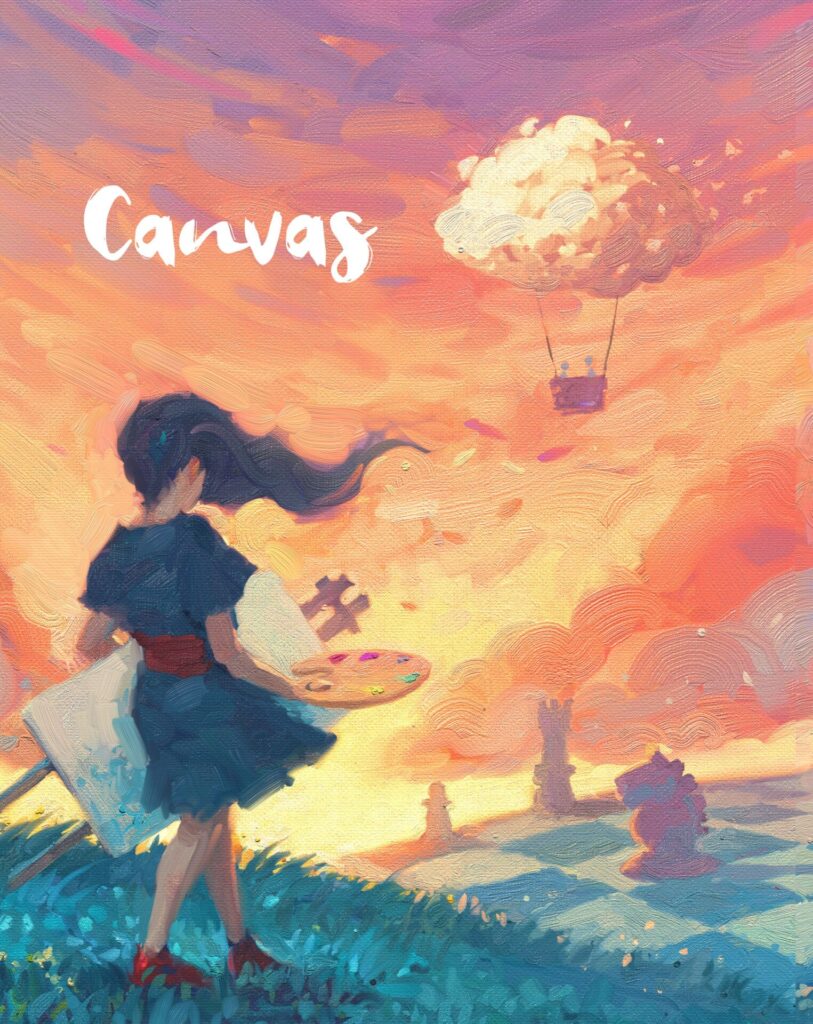
Canvas is a colorful card game where players build paintings by layering transparent art cards. Each layer changes the image and earns icons for scoring. On your turn, take a card or complete a painting, then compare symbols and goals. After three paintings, the highest score wins.
Overview
Canvas turns card play into a little art show, where each transparent card adds new colours, shapes, and scoring icons to your picture. This guide contains an outline of the game rules, plus the best strategies for winning. Grab your cards, plan your layers, and try not to judge your mate’s terrible-looking masterpiece too harshly.
What’s in the box
- 1 rulebook
- 60 Art cards
- 20 Ribbon cards
- 12 Scoring cards
- 100 Inspiration tokens
- 5 Player boards
- 5 Player tokens
- 1 First Player token
- 1 Game board
How To Play Canvas: Rules Summary
You layer transparent art cards to build paintings, then score them with shared goals. Follow these rules, and you will soon know your easel from your elbow.
Setup: Prepare Your Little Art Studio
- Give each player a player screen and the matching set of Inspiration Tokens.
- Shuffle the Art Cards and place five face-up cards in the Gallery. Keep the rest as a face-down deck nearby.
- Place the Ribbon tokens and the scoring cards where everyone can reach them.
- Give each player three Art Cards to begin. Then, choose the starting player.
- Reveal the first three scoring cards. These cards show the features that can earn points during the game.
Gameplay: Build A Painting, One Layer At A Time
- On your turn, choose one action: take an Art Card from the Gallery or complete a painting.
- To take a card, choose any face-up Art Card. Place one of your Inspiration Tokens on every card to its left. Then, take your chosen card and collect any tokens already sitting on it.
- Replace the card you took with the top card from the deck. Therefore, the Gallery always shows five cards when possible.
- Instead of taking a card, complete one painting from your hand. Choose at least three Art Cards and stack them in any order.
- Look through the clear layers from top to bottom. The visible symbols, colors, and shapes create your final design.
- Place your completed painting in front of you. You cannot change its card order later, so check it twice before you let go. I learned this rule after making one very sad-looking blob.
- After completing a painting, compare it with each scoring card. Take the matching Ribbon tokens you have earned.
- Once every player completes a painting, refresh the scoring cards as the game rules direct and continue playing.
Winning: Collect The Most Ribbons
- Keep your completed paintings and Ribbon tokens in front of you so everyone can check the score.
- Score each painting against the current scoring cards. A painting can meet more than one scoring condition.
- When players finish the required number of paintings, end the game. In a standard game, each player creates three paintings.
- Count the points shown by your collected Ribbons and scoring cards.
- The player with the most points wins. If players tie, the tied player with the most remaining Inspiration Tokens wins.
Special Rules & Conditions: Mind The Fine Print
- Each Art Card has a transparent layer. Stack cards carefully because the order changes which symbols remain visible.
- Only visible symbols count when you score a painting. A covered symbol cannot help you, even if you know it lurks underneath like a tiny cardboard goblin.
- You may use a card in only one painting. Set completed cards aside until the game ends.
- You may hold Art Cards until you decide to create a painting. However, follow the hand limit shown in your copy of Canvas.
- When you take a Gallery card, collect every Inspiration Token placed on that card. Then, place tokens on the cards you skipped.
- When the deck runs out, keep playing with the cards still in the Gallery. Do not refill an empty space unless the rules provide another card.
- Apply each scoring card only as it describes. Some cards reward symbols, while others reward colors, patterns, or card features.
- If a scoring card or Ribbon rule conflicts with a general rule, follow the scoring card or Ribbon rule.
Canvas rewards clever card order more than raw luck. Take the cards you need, watch what your friends collect, and do not rush a painting just because it looks pretty. Art can hurt.
Best Canvas Strategies
Build Better Art, One Clear Choice at a Time
Start With the Main Shape
- First, place a card that gives your design a strong base.
- Check its edges before adding anything else.
Plan the Overlap
- Next, cover weak symbols while keeping useful icons visible.
- Also, watch how each new layer changes your scoring chances.
Protect Your Points
- Then, match colors and shapes instead of chasing every bonus.
- In my games, greedy layers often made pretty art with lousy scores.
Finish With Purpose
- Finally, add a card that completes a goal or blocks an opponent.
- Before stopping, check every visible symbol. One careless layer can ruin the whole masterpiece.
How to Make Beauty Pay in Canvas
With friends, I learned that Canvas rewards beauty only when it earns points. Therefore, make each design pleasing and useful. Also, watch rivals, because card value shifts fast. Finally, accept a plain layer when it completes a goal. I did that last night and won by two points. Treat beauty as a bonus, not your boss.
Score Before Style
- Check scoring cards first.
- Pick useful icons over filler.
Plan for Balance
- Set one main goal.
- Keep a backup goal nearby.
Watch and Adjust
- Track rival choices.
- Take pretty cards that hurt their plans.
Strike When Canvas Goals Pay Best
Canvas rewards players who chase goals at the right moment.
Watch First
- Therefore, claim a goal when its bonus fits cards you want.
Keep Options Open
- However, save one flexible card so a late goal can rescue a weak layout.
Time Bonuses
- Meanwhile, score a bonus before an opponent steals it, but never wreck your design for tiny points.
Review Each Turn
- Finally, when goals clash, choose one supporting your best pattern. I grabbed bonuses and built a mess.
Paint Your Way to Victory
Canvas rewards players who spot good layers, watch the goals, and wait for the right moment to score. In my games with friends, the winner rarely grabbed the flashiest card first. They built a plan, kept their options open, and scored before the table could nick the best tokens. Keep your designs pretty, but let the points do the talking. With a little timing and a bit of cheeky card snatching, Canvas turns every round into a small art show where someone leaves feeling like a genius.
Want to know what we think of Canvas? Read our detailed review of Canvas here