How To Play: Amsterdam
Amsterdam is a tactical trading game where players move through the city, collect goods, complete contracts, and build wealth. Each turn brings tricky choices about routes, timing, and spending. Watch your rivals, grab the best opportunities, and finish with the most valuable collection to win.

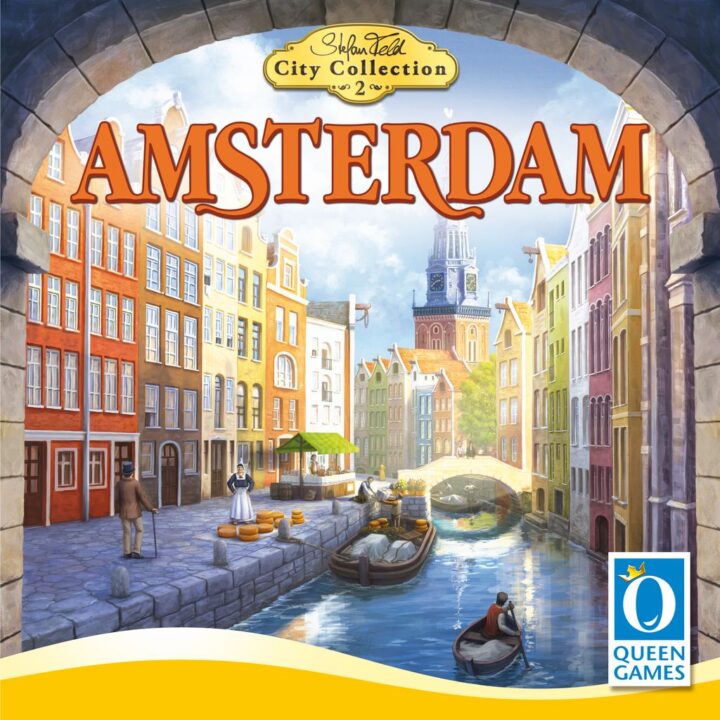
Overview
Amsterdam turns busy canals, goods, and clever deals into a tense race for profit. I played it with friends, and our table got loud whenever someone blocked a key route or grabbed the best cargo. This guide gives you a clear outline of the game rules, from setup and movement to trading and scoring. It also shares the best strategies for winning, so you can build a fortune without sinking your plans in the canal.
What’s in the box
- 1 game board
- 1 market board
- 4 player boards
- 4 player screens
- 4 ship figures
- 4 player markers
- 1 first-player marker
- 1 round marker
- 60 goods cubes
- 40 contract cards
- 16 action tiles
- 20 building tiles
- 4 summary cards
- 1 cloth bag
- Money tokens
How To Play Amsterdam: Rules Summary
In Amsterdam, each player runs a trading company in the busy Dutch city. You move goods, complete contracts, build your network, and chase the most points. First, set up the board. Then, plan your turns, watch your rivals, and try not to spend every coin before lunch.
Setup: Get Your Trading House Ready
- Place the main board in the middle of the table.
- Give each player a player board, trading pieces, markers, and starting money. Each player chooses a color.
- Place the goods, contract cards, price markers, and other shared pieces beside the board.
- Shuffle the contract cards and place them in their marked space. Reveal the starting cards or contracts as the board shows.
- Place the boats, goods, and market markers in their starting spaces.
- Choose the first player. Then, give everyone a quick look at their starting options before the first round begins.
Gameplay: Trade, Move, and Make Your Mark
- Begin each round by following the round order shown on the board. Usually, players first resolve the market or boat step.
- On your turn, take the available actions allowed by your cards, spaces, or player board.
- Move your trading pieces through Amsterdam to reach markets, contracts, and useful city spaces.
- Collect, buy, sell, or deliver goods when your position and resources allow it.
- Complete contracts by paying the listed goods or money. Then, place the contract in your scoring area and gain its reward.
- Use special spaces and abilities when you meet their conditions. However, resolve each effect fully before starting another action.
- Track prices and supply as the market changes. A clever delivery can earn points, while a late delivery can leave you holding a very expensive pile of stuff.
- After every player acts, resolve the end-of-round steps. Refill cards or goods, update the market, and pass the first-player marker as required.
- Continue playing rounds until the game reaches its end condition.
Winning: Count Your Coins and Contracts
- End the game when the board, contract deck, round track, or another listed condition tells you to stop.
- Finish the final round before scoring. This gives every player the same chance to make one last clever move.
- Score completed contracts, money, buildings, network pieces, and bonus rewards shown by the game.
- Subtract any penalties for unpaid costs, leftover obligations, or negative spaces.
- The player with the most points wins Amsterdam.
- If players tie, use the game’s tie-breakers, usually money, goods, or completed contracts. If nobody can separate the tied players, share the glory and blame the market.
Special Rules & Conditions: Watch the Fine Print
- Follow the text on cards, spaces, and player boards before following the normal rule. A special effect can change the usual action.
- Pay every required cost before taking the reward unless the card says otherwise.
- Keep goods, money, and cards visible when the rules require open information. Keep secret cards hidden until you use or reveal them.
- Do not take an action if you cannot pay its full cost or meet its condition.
- Resolve effects in the order shown. If two effects happen together, the current player usually chooses the order unless the rule says otherwise.
- When a deck runs out, reshuffle it only if the rules tell you to do so. Otherwise, treat it as empty.
- Apply end-game bonuses only once. Also, complete all final scoring steps before comparing totals.
- When a rule seems unclear, use the card or board text first, then check the rulebook glossary. Amsterdam rewards sharp planning, but it does not reward arguing for forty minutes over one tiny boat.
Best Amsterdam Strategies
Turn Every Canal into a Payday
Plan Efficient Trade Routes
-
First, study Amsterdam’s map. Choose routes linking several busy spaces, rather than chasing a reward. Then place pieces that support moves.
Link Markets, Not Just Moves
-
Next, connect markets into a chain. When one route earns income, use it to reach the next target. Also, watch opponents’ paths; if they crowd a canal, switch and keep moving.
Time Your Final Delivery
-
Finally, save an efficient route for the final rounds. That delivery can score big, while rivals scramble. Therefore, count travel costs, then move only when the payoff beats the detour.
Make the Market Work for You
Watch Demand
- First, check which goods players need before you sell. Scarcity raises prices, so wait when rivals chase the same item.
Buy Before Crowds
- Next, purchase goods just before a busy market turn. However, avoid spending every coin, becuase one surprise can wreck your plan.
Sell at the Peak
- Then, sell when demand peaks, not when your hand feels full. In Amsterdam, patience paid me more than quick cash.
Track the Endgame
- Finally, sell leftover goods early enough to score. As the game nears its end, secure steady profit instead of chasing one huge deal.
Make Your Money Behave in Amsterdam
Win Amsterdam by making every coin work harder than your rivals’ coins. In my games, I watched players chase shiny deals, then beg for loans by supper. Instead, protect your cash and take smart risks.
Keep a Cash Cushion
- Save enough money for one surprise cost.
- Pay essential fees before buying extras.
Risk Only With a Plan
- Spend big only when the reward clearly beats the cost.
- Set a stop point before luck gets greedy.
Watch Your Rivals
- Notice who lacks cash.
- Then avoid giving them an easy escape.
Protect the Endgame
- Keep funds for your final move.
- Finally, spend leftover cash before it becomes useless.
Win Amsterdam Without Losing Your Shirt
Amsterdam rewards players who plan ahead but stay ready to change course. Build useful routes, watch the market, and keep enough cash for one nasty surprise. My friends and I learned this the hard way when a “perfect” trade left me broke and grumpy by the final round.
Do not chase every deal. Pick your best chances, block rivals when it helps, and time your big moves well. Amsterdam feels tense, clever, and just a little bit mean—in the best way. With a few games under your belt, you’ll spot stronger trades, avoid silly risks, and finish with a plan instead of a pile of regret.
Want to know what we think of Amsterdam? Read our detailed review of Amsterdam here