
How To Play: Altitude
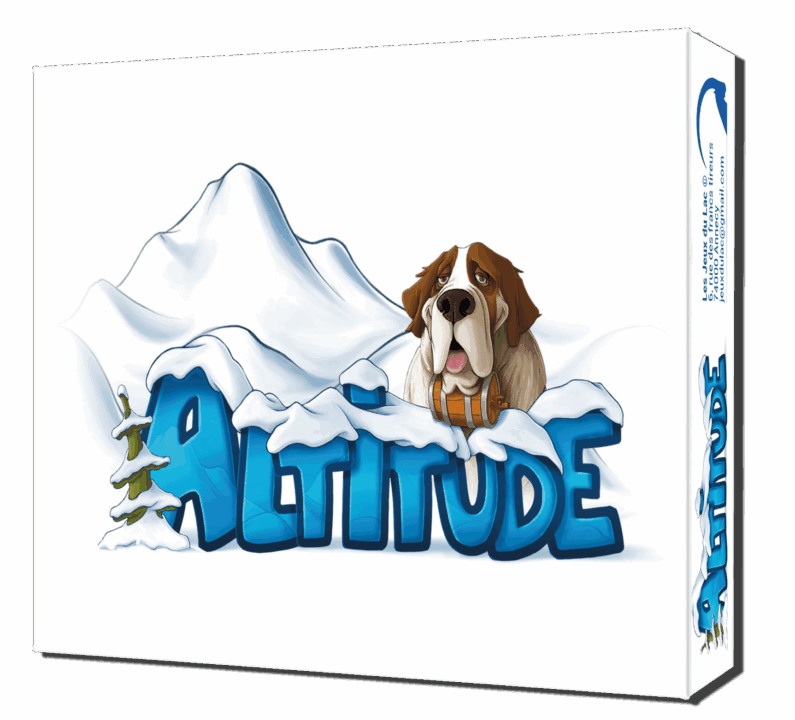
Altitude is a tense card-and-board game where players guide climbers upward, manage movement, and judge when to take a risky route. On each turn, you use available actions, watch rival positions, and chase the best scoring heights. Smart timing matters, because one greedy climb can leave your whole team stuck.
Overview
Altitude turns every move into a tense race for the best view. In our games, friends climbed too soon, celebrated, then watched their plans wobble like a cheap kite. This guide gives you a clear outline of the game rules, from movement and altitude changes to scoring and endgame steps. It also shares the best strategies for winning, whether you prefer bold climbs, sneaky positioning, or steady points.
What’s in the box
- 1 game board
- 4 player boards
- 4 player markers
- 60 altitude cards
- 20 strategy cards
- 40 resource tokens
- 1 first-player marker
- 1 rulebook
How To Play Altitude: Rules Summary
Altitude challenges players to guide aircraft through crowded skies while gaining height, claiming strong positions, and avoiding costly mistakes. First, set up the shared board and give each player their aircraft and starting pieces. Then, players take turns moving, climbing, and resolving effects. Finally, the player with the most points wins.
Setup: Prepare the Runway for Takeoff
- Place the Altitude board in the middle of the table.
- Separate the aircraft, altitude markers, cards, tokens, and scoring pieces by player colour.
- Give each player the aircraft and starting pieces shown in the setup guide.
- Shuffle the cards and place them face down in their marked space.
- Place the shared tokens and markers on their starting spaces.
- Choose the first player. Then, continue clockwise around the table.
Gameplay: Climb, Move, and Keep Your Wings Level
- On your turn, check any effects that happen at the start of your turn.
- Next, take the actions allowed by your aircraft and current altitude.
- Move your aircraft along a legal route. Follow every arrow, space, and movement limit.
- Climb or descend when the rules allow it. A climb may open better routes, but it can also cost movement or resources.
- Resolve the space where you finish moving. Collect rewards, draw cards, or apply penalties as shown.
- Use any legal card or special action during your turn. Resolve its full effect before playing another card.
- After you finish, pass play to the next player on the left.
Winning: Turn Altitude Into Points
- Keep track of your points during the game. Place scoring markers where everyone can see them.
- Complete routes, claim valuable positions, and meet card goals to score.
- Avoid penalties from blocked routes, failed climbs, or other effects on the board.
- When the game reaches its ending condition, finish the current round so every player gets the same number of turns.
- Resolve final scoring cards and end-game bonuses.
- The player with the most points wins. If players tie, the player with the most remaining resources wins. If the tie continues, share the victory and pretend you planned it.
Special Rules & Conditions: Watch the Weather
- Follow card text before the normal rules whenever a card directly changes an action or movement limit.
- Respect altitude limits. An aircraft cannot climb above its allowed level or enter a route that requires a higher level.
- Resolve collisions, blocked spaces, and restricted routes immediately when they occur.
- Apply penalties as soon as you trigger them. Do not wait until the end of your turn.
- When a deck runs out, reshuffle its discard pile unless the card or scenario says otherwise.
- If two effects happen at the same time, the active player resolves their own effect first. Then resolve the remaining effects in clockwise order.
- When a rule seems unclear, use the card or board text first. Afterward, agree on one ruling and keep the planes moving.
Best Altitude Strategies
Climb Smart, Move Sharp: The Altitude Winning Plan
After Altitude games, I learned smart movement beats wild climbing. Plan each move, then always keep an escape route nearby for safety.
Start on Safe Ground
- First, claim low spaces with several routes. They keep options open.
- Next, climb only when the new level improves your position.
Watch the Peaks
- Meanwhile, watch crowded peaks. Shift sideways before rivals can trap you.
- Also, save strong moves for points, not flashy jumps.
Control Your Routes
- Then, link levels with paths. You can rise or retreat.
- However, avoid lonely jumps; they leave you stuck.
Time the Final Climb
- Finally, count turns and points before the last climb.
- Therefore, protect one route home. Timing wins more than bravado.
Once, I won by waiting one turn.
Plot Their Panic: Read Flight Paths in Altitude
Spot the Opening Climb
- Playing with friends taught me to read flight paths, not chase targets. First, watch the opening climb. A rise signals safety; a sideways move may hide an attack.
Track Repeated Turns
- Next, track repeated turns. If someone circles one lane, block it before they gain speed. However, leave an exit, because clever pilots can turn your trap into a shortcut.
Use the Board Edges
- Meanwhile, compare routes with board edges. Players hug them when they fear collisions, so pressure them from the center. This choice often limits their next turn.
Resist Sudden Drops
- Finally, watch sudden drops. A rival may bait you upward; resist, protect your route, and waste their movement.
Climb Smart: Make Altitude’s Riskiest Moves Pay
After testing Altitude with friends, I learned risky climbs need patience.
Choose Your Moment
- First, watch the clock and enemy hands. Before climbing, confirm you can land safely or gain a reward. Therefore, avoid desperate climbs early.
Force Better Odds
- Next, wait until rivals commit movement. Then climb when their routes block each other. Meanwhile, keep a fallback move ready.
Spend Risk Wisely
- Also, use risky climbs when the reward changes the score race. If you trail, act sooner; however, protect a lead.
Read the Landing
- Finally, count spaces before you climb. In Altitude, a flashy ascent means little if you cannot land. Thus, climb only when your next turn stays safe. Then save your best climb to deny rivals a clean reply.
Climb Smart, Then Make Them Sweat
Altitude rewards calm choices, sharp timing, and just enough mischief to annoy your friends. They watch the table, save key moves, and strike when rivals run out of options. Keep your flight path flexible, avoid showing your plan too early, and take risks only when the reward feels worth the crash. Altitude may look simple at first, but every turn adds a little more pressure. Stay alert, trust your reads, and make your final climb count.
Want to know what we think of Altitude? Read our detailed review of Altitude here