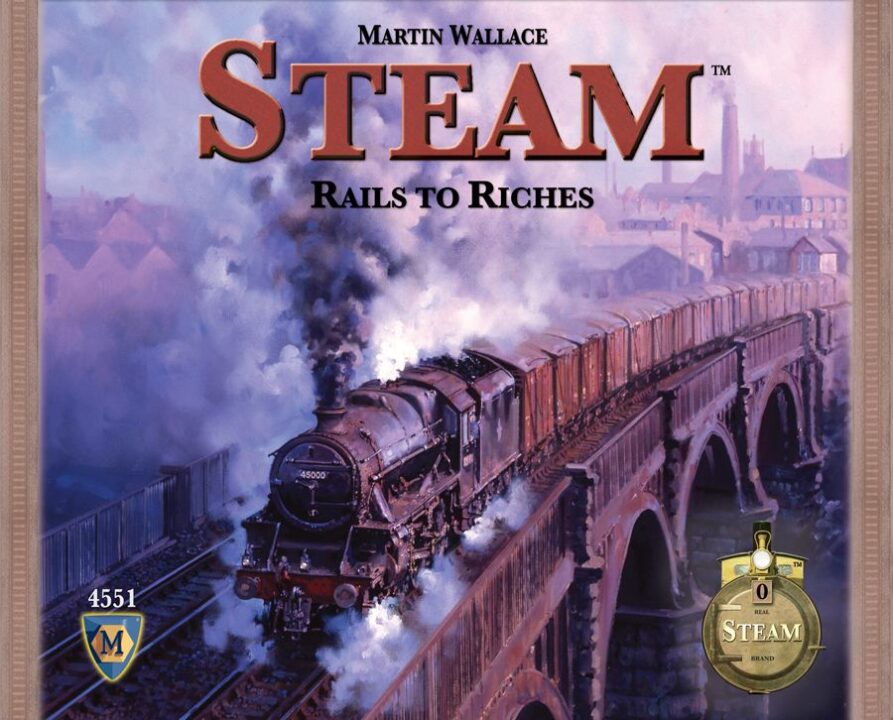
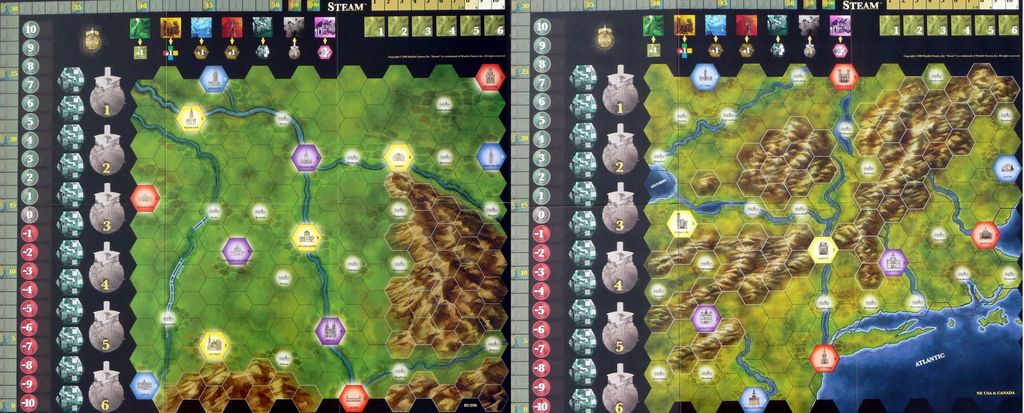

This review looks at Steam, a sharp railway game where every track, bid, and loan can make or wreck your plans. I played it with friends, and our table soon filled with groans, smug grins, and one very bad business decision involving a mountain route. The game rewards careful planning, but it also keeps the pressure on as players fight for space and cash. It takes a while to learn, yet the tough choices make each round feel worth the effort.
How It Plays
Setting up
Set out the map, goods cubes, tracks, income markers, and player pieces. Each player takes a company board, trains, and starting money. Place the goods and industries shown on the map, then auction turn order.
Gameplay
Players choose actions, then build rail links, improve their trains, and add industries. Trains move goods between matching cities, earning income or victory points. You can also take loans, but debt makes each turn hurt a little more. After everyone acts, update the market and prepare for the next round.
Winning the game
When the final round ends, players score their victory points and settle their loans. The player with the most points wins. A strong network helps, but poor money control can turn your grand railway into a very expensive pile of metal.
Want to know more? Read our extensive strategy guide for Steam.
Economic Strategy and Tough Choices in Steam
Steam makes every turn feel like I have borrowed money from a banker who enjoys bad news. In our games, cash never sits quietly in a wallet. It pushes me toward loans, risky bids, and plans that look clever until interest arrives. The game rewards sharp timing, not random luck. I can chase a big payout, but one slow round may leave my company gasping like a tired steam engine. That pressure creates the best stories. My friend Sam once borrowed too much to beat my bid.
Every coin carries a cost
The clever part comes from choosing what to sacrifice. I might buy a better locomotive, but that cash could fund a route or help me win an auction. Loans offer freedom, yet they also shrink future profits. I enjoy this tension. A cheap engine saves money now, but it may crawl when my plan needs speed. A bold investment can build a lead, while mistake can turn lead into bill.
Pressure without chaos
Steam keeps its choices tense without letting luck drive the train. The map and market give players clear facts, so I can blame my own poor planning. Still, other players can wreck a tidy plan by taking the one route I needed. That sting feels fair because I could have watched the board better. In games, I often change plans before my turn. This keeps all alert.
The best games leave me proud of smart choices, not lucky breaks. Steam gives me enough room to recover, but it never erases the cost of a poor call. I like that balance, even when my bank account looks doomed. Now, I will lay tracks and explain how Railway route building turns these hard choices into a crowded race for everyone.
Steam Railway Route Building: Tracks, Terrain, and Timing
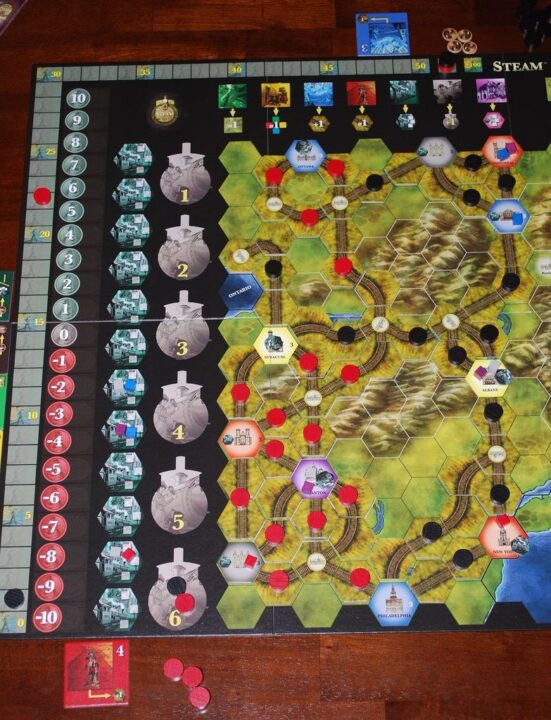
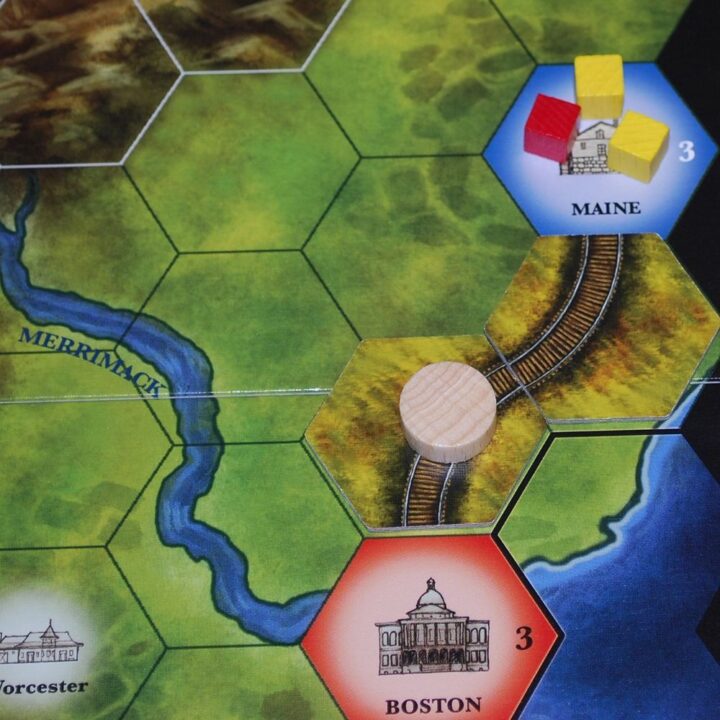
Building railway lines in Steam feels like planning a road trip while rivals keep moving the towns. Each route starts with one question: where can I place track that earns money now and helps me later? The map gives us small spaces and big dreams, but rival lines can pinch the best links before you reach them. In our games, I often stared at an empty gap between two cities, then watched Sam grab it with a smug little grin.
Every tile needs a job
A good route does more than connect two dots. It must carry goods toward a city that wants them, while leaving room for future growth. Building track costs money, and Steam makes each coin feel important. A cheap hill tile may save cash, but a longer flat path can deliver more goods and improve your income. I have lost games by chasing the shortest line, only to find it ended beside a city with no useful demand.
Shared tracks create pressure
Routes can overlap, which makes the board feel busy without turning it into pure chaos. You can use another player’s track, but you pay a fee and hand them part of your income. That choice hurts when cash runs low, yet it can rescue a weak route or help you reach a better city. In one four-player game, I built a neat link across the map, only for Mia to use it every turn. I felt robbed, then remembered I had left her an open doorway.
Why the map stays fresh
The map changes with player count. With fewer players, routes stay open and reward careful planning. With four or five, every empty space becomes a race. The best path in one game may look silly next time because another player blocks a key city. That keeps Steam from feeling like a puzzle with one answer. It also rewards players who watch the whole board instead of building in their own little tunnel.
Route building remains my favorite part of Steam because it blends clear goals with nasty timing choices. You need a plan, but you also need the nerve to change it when a rival parks a station in your face. The system gives strong players tools, yet it does not make every turn feel fixed or lucky. I do wish the map offered more room at high player counts, since late routes can feel cramped and mean. Still, when our group finishes a close network, we pause to admire it before arguing over who stole whose best city. Next, we will examine Auctions and share prices, where steel rails may matter less than the nerve behind your bids.
Steam Auctions and Share Prices Keep Your Wallet Nervous
In Steam, auctions decide who gets the choicest companies and starting positions. Each round begins with bids, and every player pretends their money means nothing. I have watched friends bid like calm bankers, then panic when extra coin leaves them unable to buy a share. It is a lovely bit of cardboard cruelty.
Bid Carefully, Then Regret Everything
The auction system does more than choose turn order. It also sets the mood for the whole market. Winning an early auction can give you a company, but that cash could have bought shares elsewhere. Passing saves coins, yet may hand your rival the perfect chance to grab a bargain. I tell myself that patience wins, right before paying far too much for a company I barely understand.
Share Prices Have Teeth
Share prices change when goods move, routes grow, and companies earn income. A smart purchase can swell in value across several rounds, while a poor pick sits there like a sad potato wearing a tiny top hat. When prices rise, selling can fund a plan or secure a welcome payout. But selling too soon may hand the profit to someone else. Steam rewards players who read the table and spot pressure before it becomes obvious. The best moments come when two players chase the same company and push its value up for everyone, including the person who stayed out.
A Market With Just Enough Chaos
The share market never feels fully safe, but luck rarely steals the game. Auctions create tension, yet good timing and careful reading matter more than blind chance. That balance kept my group arguing cheerfully for hours. One friend called every bid “a bargain” until his final score proved otherwise.
Next up, Player interaction and game length will show whether Steam stays friendly once the bidding ends.
Steam Review: Player Interaction and Game Length
Friendly Until Someone Blocks Your Plan
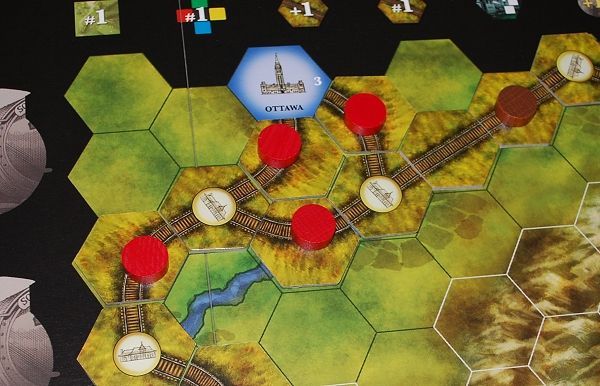
Steam gives players plenty of chances to annoy each other without turning the table into a war zone. In my games, the best moments came when one player grabbed a useful link, placed a town where I needed it, or shipped goods before my grand plan had even warmed up. Nobody attacks directly, but every move changes the value of the choices left behind. That quiet pressure keeps everyone watching the board.
Interaction Without Constant Bickering
The interaction feels fair because Steam gives you room to recover. A blocked route can hurt, yet it rarely ends your game. You can switch focus, build later, or accept a smaller return and save your pride. Still, players who stare only at their own board will miss key chances. I often watched a friend celebrate a clever move, then realise I had quietly made his next three turns worse. That is the good sort of mean interaction.
How Long Does a Game of Steam Take?
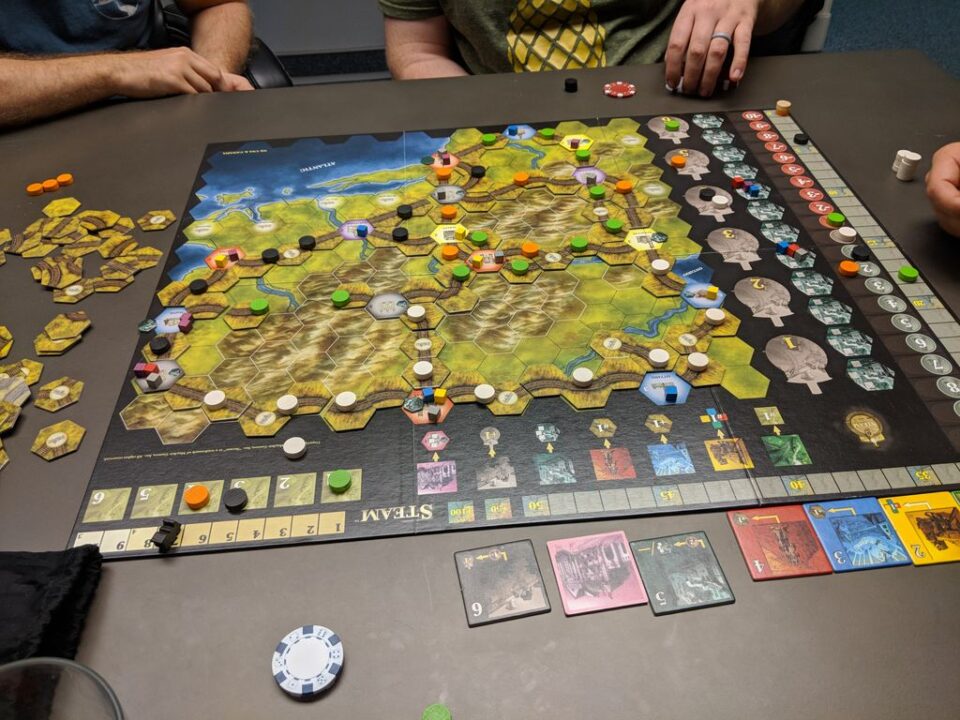
A full game with four players usually takes around two to three hours, depending on how long everyone studies each action. New players may need more time, since Steam offers many small decisions that can pile up. The pace improves after one round, but the final turns still move slowly. Our group brought snacks. Smart move. The length feels fair when all four players stay engaged, but it can drag when someone treats every choice like a court case.
That length makes Steam better for a game night than a lunch break. I recommend Steam for groups that enjoy rivalry and patient play, but not for anyone seeking a short filler game.
Conclusion
That concludes my review of Steam. After several games with friends, I found a sharp and rewarding railway game with clever routes, tight money, tense auctions, and plenty of player pressure. Every loan hurts, every track matters, and one bad bid can leave your grand rail plan parked in a ditch. The game runs a little long, and new players may need time to learn its many moving parts. Still, the choices feel fair, and smart planning matters more than lucky dice rolls. If you enjoy deep strategy and watching your friends panic over share prices, Steam earns a strong recommendation.