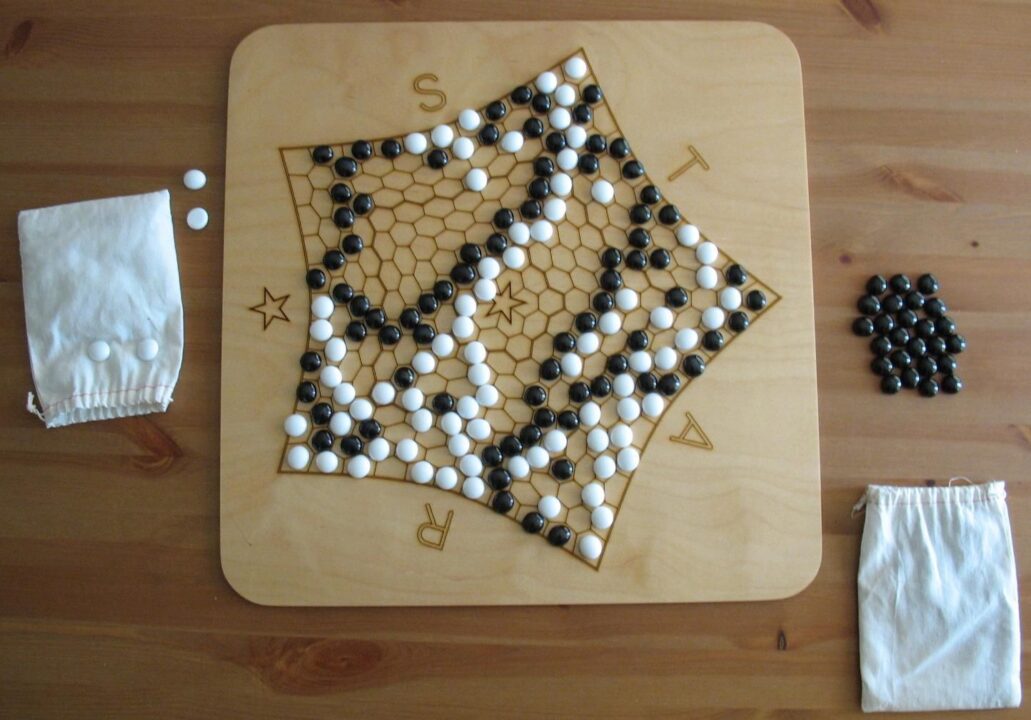

How It Plays
Setting up
First, everyone grabs a player board. Shuffle the main deck and hand out starting cards. Tokens go in the middle. Honestly, it takes less time than finding the lost dice from last week’s game night.
Gameplay
On your turn, you draw a card, play actions, and try to outwit everyone else. You’ll be trading, using special powers, and—if you’re like me—forgetting that one rule for at least the first two rounds. Think fast, but beware: luck can mess with your plans at any time.
Winning the game
The winner is the first person to collect five star tokens. If no one gets five by the end of the draw pile, whoever has the most wins. And yes, I found a way to lose both ways. Impressive, right?
Want to know more? Read our extensive strategy guide for *Star.
Getting to Know the Rules: Is *star Beginner Friendly?
Alright, let’s talk rules. When my friends and I first opened up *star, I expected chaos. You never quite know if a new game will come with a fat rulebook that requires an advanced degree, or if it’ll be more like charades—simple and easy to pick up after a snack or two. Luckily, *star leans toward the snack-friendly side. The rulebook is clear, tidy, and not written by a committee of lawyers. We actually started playing in less than fifteen minutes—right after arguing about who got the blue pieces, of course.
Each turn, you get a choice of two actions, and the rules for each are spelled out on handy player cards. I didn’t have to keep flipping through the rulebook like a confused chicken all night. Even my friend Greg, who once managed to lose to his own dog in Tic-Tac-Toe, caught on after a single round. That’s a good sign for families, newcomers, or if you’ve already had your second glass of wine.
But, I won’t say it’s all roses: there are some fiddly exceptions—like what happens when you draw a wild card after a stalemate. Those bits took a bit of double-checking in the manual, but honestly, nothing that broke the momentum. Overall, you’ll spend more time playing than head-scratching. So, if you want to get going quickly, *star won’t make you roll despair dice before you start.
Next up, I’ll spill the beans about how *star balances luck and skill—brace yourself, because that’s where things get spicy!
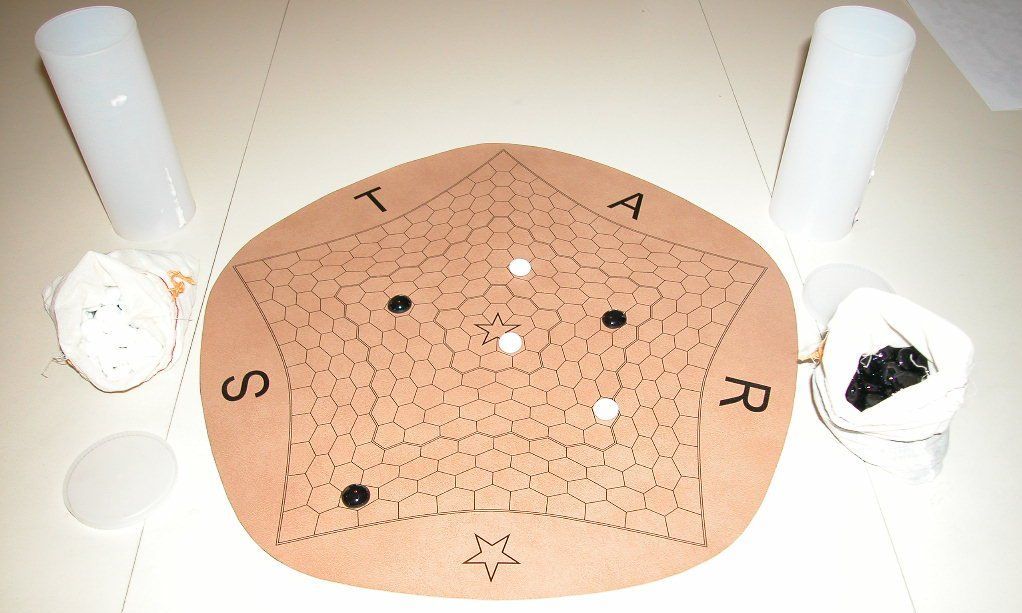
How Much Does Luck Matter in *star? Skill Showdown!
Alright, let’s get honest about *star: is this game a strategy masterpiece, or are you just tossing dice and begging the cardboard gods for mercy? I played *star with my usual gang (the crew who thinks Monopoly is a full-contact sport) and we all came away with strong feelings about the luck vs skill debate.
*star throws in a spicy mix of both. Yes, you’ll want to outthink your friends, especially in the way you manage your actions and plan for others. There are moments when you can pull off a brilliant move and cackle like an evil genius. I did this once and my friend Jenny still hasn’t forgiven me. That said—you can’t ignore the moments when luck just smacks you in the face. There’s a card deck and random draws are part of the game, so prepare for some wild swings. One round you’re winning, next round you’re the snack at the table.
If you hate games where bad luck can undo your careful plans, *star might annoy you now and then. But if you enjoy a game where skillful play can tip the odds (and you don’t throw the box in frustration when chance strikes), it’s a fun ride. I’ll say about 60% skill, 40% luck—enough tension to keep everyone on their toes, but not so much randomness that you want to flip the board… most of the time.
Ready for more? In the next section, I’m unleashing my thoughts on *star’s replay value and how long it keeps you glued to your seat. Spoiler: you might want a snack.
How Many Times Can You Play *star Before You Get Bored?
Let me start by saying, I didn’t expect my group to ask, “Can we play *star again?” after our third straight game. Yet, there we were, snacks running low, but enthusiasm still sky-high. That’s a good sign for replay value, right? *star keeps things fresh every session. The way the board changes and the mix of goals every game means no two runs feel quite the same. My pal Mike, who gets bored faster than my cat with any new toy, actually stuck around for more. That’s nearly unheard of.
Now, let’s talk session length. *star is one of those rare gems you can finish in about 45 minutes, even with players who pause every three turns to debate the rules or talk about their top three alpaca facts. I clocked one game at 30 minutes when we knew what we were doing and only got distracted twice (once by pizza, once by a surprise snail sighting out the window—don’t ask). That makes *star perfect for game nights when you want to play more than one thing, or when you want a rematch after your friend wins “by accident.”
If you’ve got a group that likes to try out different moves and strategies, the replay value amps up even more. You’ll find yourself thinking about how to do better next time, which is always the mark of a great game. On the downside, if you play with the same people every time, the cleverest player can start to dominate, so you may want to mix it up now and then.
Next up, I’ll chat about the bit you can actually touch—yep, it’s time to get hands-on with Component Quality and Art Style, so keep your sticky fingers ready!
How Does *star Look and Feel on the Table?
Let me start by saying, you won’t be hiding *star in the back of your game shelf. When I opened the box, I got hit with that new-board smell (which my cat also appreciated…for different reasons). The first thing I noticed? The cards. They’re sturdy! You can shuffle them without feeling like you’re sanding down a rice cracker. I played with my clumsy friend Mike, and he only bent one card (which is impressive for Mike).
The tokens are made of solid, chunky plastic. No sad cardboard coins here. When you clack them on the table, it feels like you mean business, even if you’re losing by 30 points. As for the game board, it’s thick and sits flat, even after a few energy drink spills. I wish more games used this quality these days.
Now, art style. *star leans hard into its sci-fi theme, with bold colors and sharp, clean lines. My friend Sam, who is a sucker for anything with space ships, kept picking up cards just to check out the art. There’s a lot of character, and thankfully, no confusing layouts. Everything’s easy to see in the middle of a heated match. My only gripe? The font on the player boards is a tad small. If you wear glasses, prepare to squint or get very close.
Would I recommend *star for its looks and component quality? Absolutely. If you want a game that feels good to play and looks cool on your table, give this one a go!
Conclusion
*star is a blast for fast game nights with friends. The simple rules mean you can teach your grandma or your friend who still calls Monopoly “the one with the money”. I like that you need some skill, but you still get those “oh c’mon!” moments when luck hits. The art looks sharp and stuff feels solid, even if my pal Joe grumbled about the small font (he’s basically a bat, though). If you want deep strategy, it’s not quite there, but for quick, fun sessions with high replay value, *star shines. That’s it for my review—hopefully this helps your game shelf decisions. Now go be the star you were meant to be!