
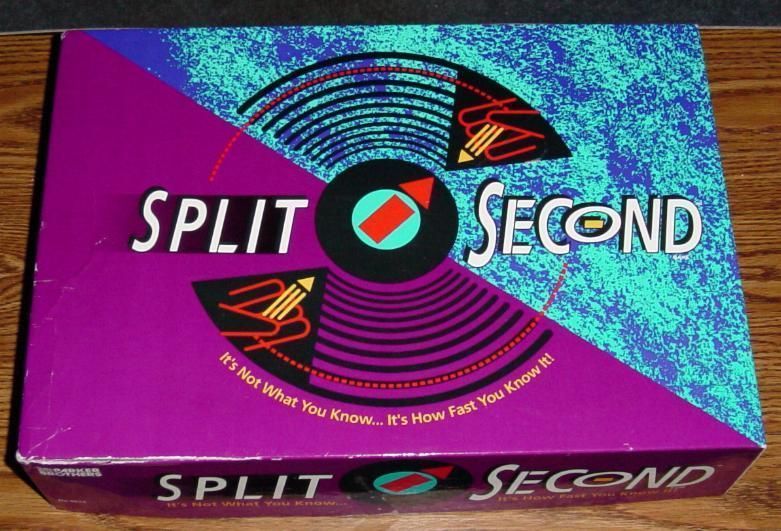
This review looks at a fast, tense board game where quick thinking matters more than lucky dice rolls. The rules are easy to learn, the setup takes little time, and the short play length suits busy game nights. Still, the sharp pace may test players who prefer a calm think. I’ll cover the timing, player interaction, replay value, components, and how well the game welcomes new players.
How It Plays
Setting up
Give each player the needed cards and pieces, then place the timer and challenge deck where everyone can reach them. Pick a starting player and get ready for a very short burst of panic.
Gameplay
Reveal a challenge and start the timer. Everyone studies the information, makes their choice, and acts as quickly as possible. Players check the result, score any success, and reset the game for the next round. The pressure stays high, so taking too long can hurt just as much as making the wrong choice.
Winning the game
After the agreed number of rounds, players add their points. The player with the highest score wins. In our games, victory often went to the person who stayed calm, rather than the player who shouted first. A rare win for patience, really.
Want to know more? Read our extensive strategy guide for Split Second.
Real-Time Pressure and Timing in Split Second
Split Second does not give you time to admire the art or sip your tea. Each round starts with a task, and the clock becomes a tiny monster on the table. You read the prompt, grab what you need, and hit the button before your brain starts writing a polite resignation. He knew it was right, but the timer turned his thoughts into soup. I laughed, then made the same mistake two rounds later. The game creates pressure without needing a long rulebook or a referee with a whistle.
The best part feels like a tiny race against yourself, not a long test of who can shout fastest. Timing matters because early moves can save seconds, while a rushed choice can leave you empty handed. Some tasks reward quick fingers; others punish panic and ask for one calm look. That mix keeps players alert for everyone. It also makes every round easy to follow from across the table. You can cheer a clever grab, groan at a missed chance, and still know why it happened. The downside shows when one player reacts much faster than everyone else. They may gain a lead that feels hard to chase.
Next, we will check the learning curve and accessibility, to see whether new players can join the fun before the timer turns their welcome into a tiny panic parade without fear or fuss.
Learning Curve and Accessibility in Split Second
Getting Started
Split Second welcomes new players with rules that fit on a small card. The goal feels clear after the first read: collect the right set of symbols and keep your choices moving. That guess went badly, but it made a great story.
Learning by watching works better than reading every line. The game teaches its patterns through repeated use, not through a pile of rules. The icons stay readable, and the card layout gives useful clues. Still, Split Second asks players to spot small details quickly. Younger players may need a brighter table and a patient teacher. The box does not offer much help here, so a short practice round earns its keep.
Who Can Join?
The game suits families, casual groups, and players who enjoy a clean puzzle without a long rules speech. It also works well for mixed skill groups because experienced players can explain choices without handing over the win. That said, the game rewards careful observation, so a total beginner may feel lost beside a veteran during the first session. We fixed that by pairing newcomers with friendly guides and allowing questions between turns. The learning curve then felt fair rather than steep. That pause helps everyone feel welcome from the start.
I like how Split Second gives players room to improve. Its clean rules make teaching easy, but the visual details still demand focus. For me, that balance makes it welcoming without making it dull. The next stop is Player interaction and replay value, where we see whether friends keep returning for another round of clever trouble.
Split Second Review: Player Interaction and Replay Value
Friendly rivalry with teeth
Split Second shines when players watch each other as closely as their own plans. In my games with three friends, nobody sat quietly waiting for a turn. We barged into claims, blocked clever routes, and stole just enough glory to make a smug grin. The best moments came from reading a rival’s plan and nudging it sideways without making the table feel mean. Split Second creates tension through choices, not cheap take-that attacks.
Interaction that builds stories
Each choice gives players a reason to study the board and guess who might benefit next. I loved pretending to make a helpful move, only to watch my pal grin when it opened a path for them. That little dance of trust and betrayal kept the table lively. Friends who dislike harsh conflict still found room to compete, because the game rewards smart positioning more than loud table talk.
Why replay value holds
The changing mix of goals and board choices pushed us toward fresh plans each time. With four players, interaction feels busy and sharp; with fewer, each decision carries more weight. I appreciated that replaying Split Second rewards better thinking without demanding a brand new trick every time. It has enough variety for regular game nights, especially at our Friday table. Next, I’ll check Components, setup, and game length, where the cardboard gets its turn in the spotlight.
Split Second Board Game Components, Setup, and Game Length
What’s in the box?
Split Second arrives with a tidy box that does not need a forklift. The artwork keeps each piece clear, which helps players grab the right item without stopping the game to squint at tiny print. A few pieces could use thicker card stock, but nothing felt flimsy during our sessions.
Setup without fuss
Setup stays quick, with the main deck, tokens, and player bits placed in their marked spots. The rulebook gives a short setup list, and I could get the table ready in about three minutes after my first read. That matters because Split Second wants attention from the first turn, not a long ritual involving seventeen piles and a ceremonial goat. Players can also reset between rounds without repacking the whole game, a small but welcome win for weeknight play.
The insert keeps most parts in place, though cards may wander if you carry the box upright. The box size feels sensible for shelves, but the insert has no clever space for sleeved cards.
Game length
Game length stays refreshingly honest. A full session with several rounds took under an hour. That makes Split Second easy to bring out after work, or between larger games. The pace never felt padded by long scoring chores, and the ending arrived before anyone started checking the clock.
I recommend Split Second for compact, tidy, low-fuss game nights.
Conclusion
To conclude this review, Split Second delivers a sharp burst of fun for players who enjoy quick choices and a bit of table panic. The timer creates real tension, while the simple rules help new players join without needing a law degree. Its strong player interaction and short play time make it easy to bring out again, though the fast pace may frustrate anyone who likes to ponder every move like a sleepy chess grandmaster. The setup stays simple, the components do their job, and each game feels fresh enough for repeat plays.