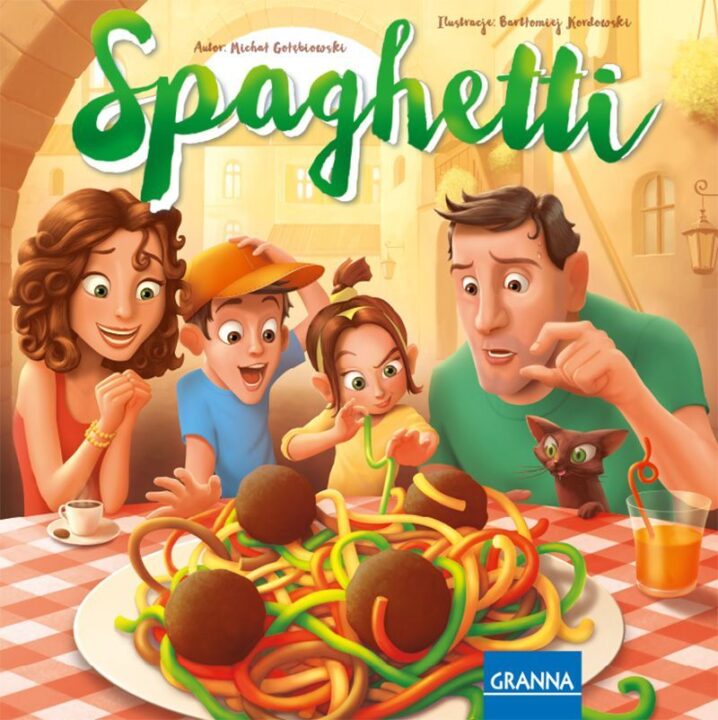

Let me tell you about a game that’s no stranger to flying noodles and wild laughter—this is my review of Spaghetti. After playing it more times than I care to count (and picking fake pasta out of my carpet), I’ve got the saucy details. Whether you’re a noodle ninja or a fork fumbler, you’ll want to know if this zany game is worth a spot on your table, or better left on the shelf at the toy store.
How It Plays
Setting up
Dump the pile of plastic spaghetti strings onto the plate. Mix in the meatballs and cheese pieces. Everyone grabs their own fork (not a real fork, but you get the idea).
Gameplay
On your turn, you pick a spaghetti string and try to pull it off the plate without making meatballs or cheese fall. If you knock stuff off, you don’t get the string—unless you like living dangerously and house rule it. Everyone watches, everyone laughs, and sometimes folks shout tips (or fake tips, if they’re feeling sneaky).
Winning the game
When all the spaghetti is gone, count up the strings each player collected. Some may have special points on them, so count those too. The player with the most points is the ultimate spaghetti champion—no sauce required.
Want to know more? Read our extensive strategy guide for Spaghetti.
How Tough Is Spaghetti? A Look at Component Quality and String Durability
Let’s talk spaghetti. Not the kind you boil and drown in tomato sauce—this one’s way more fun and only slightly less edible. The board game Spaghetti comes jam-packed with plastic noodles, plates, and meatballs. When I opened the box with my friends, we all did the same thing: poke the spaghetti strings and each other before even reading the rules. Priorities, right?
First, the durability. Those spaghetti strings can take a beating. My group isn’t gentle (thanks, Sally), yet even after an hour of competitive tugging, stretching, and one misguided attempt to lasso a cat, the noodles stayed intact. No fraying, no snapping, and not a single sad limp string. They’re slightly rubbery, which gives them a real noodle feel—if you’ve ever wanted to throw pasta at your Uncle Greg, you’re about to have that chance without making a mess.
But—and this is important—be careful when you first uncoil them. Ours came out tightly wound, and trying to yank them free was like wrestling a stubborn snake. A gentle hand works best. Plus, the vibrant colors didn’t rub off, even when my nephew tried to use one as a headband. I was worried about plastic smells (nobody wants a board game that smells like a tire shop), but thankfully, Spaghetti passed the sniff test.
The plates and meatballs are solid—though I did lose a meatball under the sofa for a week. Still, everything feels like it’ll outlast my family’s attention span, which is saying something. Ready to jump from picking at pasta to full-blown noodle war? Good, because next up is the wild world of gameplay flow and player interaction… and trust me, it gets competitive.
Gameplay Flow and Player Interaction: Slippery Noodles and Stolen Spaghetti
Alright, let’s talk about the pulse of the game: how Spaghetti actually plays and how you’ll end up glaring at your friends for stealing your lunch. The flow? Think of a bunch of hungry kids around a table and only one plate of spaghetti. Players grab these loopy, wobbly spaghetti strings off a plate, trying not to jostle the meatballs or cheese bits. One wrong move and—whoops—someone’s yelling, “You shook the plate!”
The pace moves fast, and the energy stays high. Turns go quick because nobody wants to look like a slowpoke when spaghetti is on the line. This game brings out the competitive side in people—my friend Lila turned into a noodle ninja before my eyes. When you and your buddies reach for the same slippery noodle, things get heated, but in a silly way. There’s lots of laughter, a tiny bit of bickering about the rules, and everyone is always involved, whether they’re yanking noodles or hoping someone else messes up.
Player interaction is 10/10 here, especially if you enjoy a little chaos and friendly sabotage. It’s not a quiet, thinky game; expect a lot of shouting and, in my case, an impromptu spaghetti sound effect contest. Spaghetti manages to keep everyone on their toes—no zone-out moments while you wait for your next turn. Next up, I’ll reveal whether skill or sheer noodle luck decides who wins the final forkful, so stay tuned like a hungry meatball waiting for its spaghetti!
Skill vs. Luck: Who Actually Wins at Spaghetti?
If you think Spaghetti is just about slapping noodles on the table and hoping for the best, you’re only half right. Sure, my nephew (age six) once won a game by pure accident, but I’ve also watched my competitive friend Sarah plot her noodle grabs like a chess master. She even practiced at home with a bundle of shoelaces, which is honestly next-level weird.
Let’s break it down. On the skill side, you need steady hands and a bit of nerve. Threading a wobbly spaghetti string out from the pile without sending the meatballs flying across the room takes practice. Honestly, pulling out the right spaghetti at the right time feels kind of like a tense Jenga moment. If you’re shaky or laugh too hard, you’re in trouble. And I always laugh too hard.
But then, luck barges in. Sometimes, no matter how careful you are, someone else’s wild move leaves the pile teetering and you’re left with the disaster turn. A few times, victory went to the person who just happened to grab a perfect string hiding under the mess, no skill at all. It’s like gambling, if the casino paid out in fake pasta.
So, who wins at Spaghetti? It’s a mix. Skilled players have an obvious edge, but luck always lurks. If you love games where talent rules, you might get annoyed with Spaghetti’s chaos. But if you don’t mind a bit of wild fortune with your pasta, you’ll have a lot of fun.
Next up: Can Spaghetti keep the fun going with different groups, or does it get soggy after a few rounds? Let’s twirl into that!
Replay Value Across Different Groups: Is Spaghetti Always On The Menu?
One of the key things I always want to know before I buy a board game is: will my friends want to play it again? Or will it end up sitting on my shelf, right next to the fondue set I only used once? Well, I’ve played Spaghetti with kids, adults, and even my competitive friend who takes Uno way too seriously. Here’s how it went down each time.
With kids (recommended age is 4+), Spaghetti is a hit. Kids love the noodle chaos. Pulling out those rubbery strings gets laughs every time, and nobody seems to mind if things get mixed up or if spaghetti flies off the table. For families, it’s a great “silly holiday after-dinner” game. You can even pull in grandparents; my granny tried to eat the noodles once, but she gave it a solid thumbs up after she figured out the rules.
Now, bring Spaghetti to a party with adults who enjoy light games, and you’ll find it works as a quick icebreaker. It isn’t deep, but it’s fun to see grown-ups fumble with fake pasta. However, if your group prefers deep strategy or heavier euro-games, Spaghetti won’t last long. Same for those who want complex teamwork or grand betrayals—it’s just not built that way.
I’ve noticed the replay value depends on your group’s mood. For lighthearted fun, it’s great. But the randomness and noodle-wrangling can get old if you play back-to-back. I’d recommend Spaghetti as a side dish, not the main course. Perfect for kids and the young-at-heart!
Conclusion
Spaghetti is a silly, speedy game that works best with kids or anyone who loves chaos. I had a great laugh playing with my friends, but don’t expect much strategy. If you want a clever thinky game, keep walking. But if you love frantic fun, tough noodles, and don’t mind a bit of luck, Spaghetti is worth a spot in your collection. That wraps up my review—hope you’re hungry for games now!