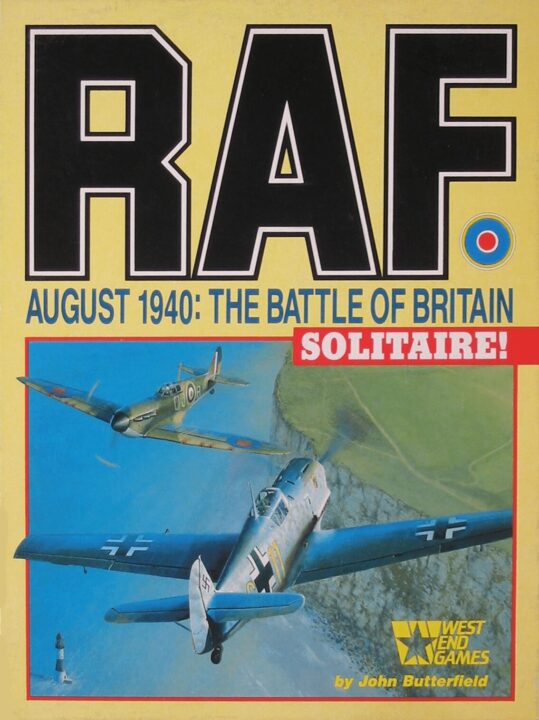

Welcome, fellow board game wranglers! If you ever wondered what it’s like to face chaos, tough choices, and a whole lot of noisy banter with your friends, you’re in the right place. In this review, I’ll share my experience playing Raf—a game that promises high tension, some serious mind games, and enough curveballs to keep you guessing. Let’s see if Raf is worth your table space, or if it’ll end up permanently shelved next to my copy of Monopoly (which is gathering dust for good reason).
How It Plays
Setting Up
First, you lay out the ocean board, put the little lifeboats in their starting spots, and shuffle the event and passenger cards. Everyone grabs their crew tokens and takes a seat, preferably with snacks close by. Now, hand out resources so everyone is ready to paddle—or sabotage—their way to safety.
Gameplay
Each round, players secretly plan what their lifeboat will do. Will you row, trade, or fight for water? After revealing your choices, chaos erupts as plans clash and events flip. You’ll grab passengers, deal with storms, and maybe even toss a rival overboard if you’re feeling spicy. Expect lots of groans, laughs, and maybe some friendships to wobble.
Winning the Game
To win, your boat needs to rescue the most passengers by the end. Keep everyone alive (or at least more than your rivals), dodge disasters, and hope you don’t get backstabbed at the worst moment. If your boat isn’t full of soggy, grateful survivors, well—you tried.
Want to know more? Read our extensive strategy guide for RAF.
Can Luck and Strategy Share a Lifeboat? Raf Says, Kinda.
I’ve got to say, my friends and I love games that let you show off your brainpower. But sometimes, a little luck sneaks in and steals the show – or your victory. Raf is a classic example. When we played Raf, I kept thinking: Is this clever or just chaos pretending to be clever?
Raf’s a game where you split survivors between lifeboats after a shipwreck. Each round, you secretly vote on who gets tossed out. Now, this is where the strategy should kick in, right? You try bluffing, alliances, maybe a bit of backstabbing (sorry, Andy). But then the luck leaps out like a shark at feeding time. Random card draws can totally flip things, and sometimes, no master plan saves you from a six-year-old’s wild guess.
I’m not saying Raf is all luck and no brains. The best games we played saw lots of negotiation and sneaky plans. But if you want a chess-level mental workout, Raf isn’t it. Luck can ruin a brilliant strategy, which made one of my friends swear at a cardboard boat. (Sorry again, Andy.) For us, the fun came from the mind games and the unpredictable moments, but it’s not what I’d call perfectly balanced.
So, if you love pure tactics, you might get frustrated when Raf’s luck swings hit. But if you’re fine with wild cards and wild stories, you’ll probably laugh a lot – especially at other people’s bad luck. Next, let’s talk about replay value and just how long it takes before someone’s fake British accent gives out!
Replay Value and Game Length in Raf: Worth Your Table Time?
If you’re looking for a game that keeps popping up on your game night list, Raf might just be your new best friend—if you don’t mind the occasional “Wait, what just happened?!” outburst. I’ve played Raf more than once (okay, a shameful amount, but who’s counting?). Every game has felt different, which is huge for replay value. The combination of shifting alliances, unexpected card plays, and a bit of sneaky backstabbing means no two sessions ever feel alike. One time, my friend Dave tried to form an alliance with everyone at the table and ended up the victim of his own schemes. Raf does not forgive or forget.
Let’s talk about how long Raf takes, since some games outstay their welcome like a guest who eats the last slice of pizza. Raf is surprisingly brisk. Most of our sessions wrap up in about 45 minutes, which is just about perfect. Not too long, not too short. You can fit in a couple of games without feeling fried, or pair it with a longer strategy game to round out your evening. Even better: setup time is short, so you won’t lose friends before the game even starts.
Raf’s replay value gets a gold star from me. It’s never a copy-paste experience, and its snappy runtime means it won’t hog your whole night. Is it the game you’ll play obsessively every Saturday? Maybe not. But as a reliable, “let’s play one more round” option, Raf delivers.
Next up, I’ll spill the beans (and maybe some tea) on player interaction and engagement—because Raf is not for the faint of heart!
How Raf Turns Friends into Frenemies: Player Interaction and Engagement
If you ever wanted to see your best friend turn into a sneaky pirate captain, Raf makes it happen. In my group, we started off with polite smiles and ended up plotting each other’s doom—no hard feelings, mostly. Raf isn’t just a game where you focus on your own hand and hope for the best. No, you need to watch what everyone else is doing, talk, bluff, and sometimes even beg.
Each round, players make alliances, break promises, and try to outsmart the competition. Raf gives you a real sense of control—at least until someone pulls a wild move and sinks your raft (true story, and yes, I’m still bitter). There’s never a dull moment, because you always need to chat, argue, and sometimes just try to keep a straight face while hiding your best card.
One thing I love about Raf is how it forces everyone to stay involved, even when it’s not their turn. You have to react to others’ moves, and sometimes team up just so you’re not the first to get eaten by sharks. The table banter gets loud and the tension rises, but it’s always a blast.
So if your game nights could use a little drama and a lot of laughs, Raf is a safe bet for getting people engaged and talking. Next, let’s weigh anchor and set sail into the world of Raf’s component quality and theme—get your eyepatch ready!
Component Quality & Theme Immersion in Raf: Does It Float or Flounder?
Let’s talk about the bits and bobs Raf tosses your way. The moment I crack open the Raf box, I’m hit by that new-game smell and a pile of chunky wooden boats. These have some heft—I could probably fend off a hungry cat with one. The tokens are thick enough to survive a few snack spills, and the cards shuffle well without feeling flimsy. Raf’s creators didn’t cheap out. My friend Greg even said, “These boats are nicer than my first car.” I think he was only half joking.
But component quality alone won’t save you from a boring game. Does Raf reel you into its theme of survival and rescue on the high seas? Oh, absolutely. The art does a lot of heavy lifting: the desperate faces, the rolling waves, even the little whales and sharks on the tiles. I could almost feel the spray in my face… Okay, maybe that was just Janet accidentally knocking over her drink, but you get the idea. Every moment in Raf, you’re caught up in the chaos of the sinking ship. The theme is everywhere, from the rescue rafts to the drama of choosing who gets left behind. My group spent half the game pretending to shout orders like panicked 1920s captains. It’s immersive in all the right ways.
So, is Raf worth hauling aboard for your next game night? I’d say yes—if you like your games to look good and feel like an adventure. Not recommended if you hate fun or have an irrational fear of cardboard boats.
Conclusion
Playing Raf is a bit like being tossed in a lifeboat with your most sneaky friends and a box full of wild cards. I had a blast watching people lie, plot, and occasionally fall straight into the ocean. The game shines when you have a group ready for some bluffing and backstabbing. It’s not for those who want chess-like control or fairness—the luck and chaos will not be everyone’s cup of tea. Still, the quick playtime, fun theme, and constant interaction kept us coming back for more. If you can handle a bit of wild unpredictability and enjoy laughing at your friend’s misfortune (in game, of course), Raf makes for a great night in. That wraps up my review—now go grab your lifejacket!