
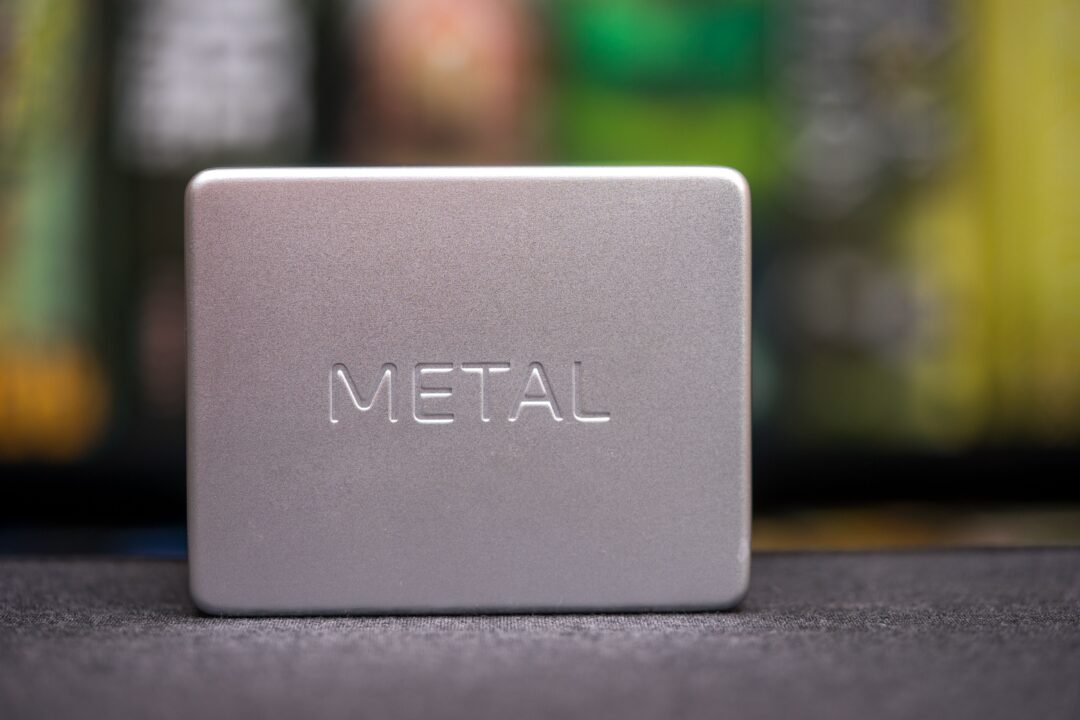
Welcome, fellow game geeks! If you’ve ever wanted to feel clever and competitive while bending some metal (without leaving your dining table a mess), you’re in for a treat. I’ve played it more times than I’ve washed my coffee mug this month—so let’s just say, I’m ready to share my honest thoughts, laughs, and maybe a couple bruised egos from last weekend’s playthrough.
How It Plays
Setting Up
First, everyone grabs a player board and some shiny metal pieces. Shuffle the deck of cards and toss them out in the middle. Place the score tracker where everyone can see it. Don’t forget snacks—playing hungry is dangerous.
Gameplay
On your turn, pick a card and use it to grab, trade, or smelt metal bits. Everyone keeps one eye on their pile and one on their friends’ sneaky moves. You can build, upgrade, or sabotage (my favorite). Turns move fast, but thinking doesn’t. Play continues until the deck runs out or Susan flips the table (kidding, sort of).
Winning the Game
Count your metal stockpiles when you run out of cards. Add up points for finished projects, bonuses, and any secret goals. Highest score wins—and gets the honor of being the true Metalhead. Loser must fetch more snacks for next round.
Want to know more? Read our extensive strategy guide for METAL.
How Metal Handles Its Moves: Gameplay Mechanics & Balance
Alright, let me tell you about my wild ride with Metal. This game promises a solid, clever system, but does it deliver? Well, mostly. Metal uses a mix of card drafting, resource trading, and hidden objectives. I’ll be honest, my first round playing with friends, I spent half the time clutching my head muttering, “Why are you trading all your ore for copper, Greg?” (Greg’s never played resource games before and it shows.)
At its best, Metal shines by forcing you to plan ahead—your actions actually matter! There’s no rolling a die and hoping for the best. You draft cards each turn, and the order of operations can make or break you. I lost one game by missing a key move because I was distracted by the cat knocking over my scrap pile. That’s my fault, not the game’s. The point is, Metal rewards clever choices, not just wild luck.
But I’ll say this: the balance in Metal can get shaky if someone figures out the best path early. In a few games, one player snowballed ahead while the rest of us traded like confused magpies. There is a slight learning curve, so new players are at a disadvantage for their first game or two. Still, once everyone knows the ropes, it feels generally fair and thoughtful. No one wins because they pulled a lucky card at the last second—which I love.
Now that you know how Metal plays, next up I’ll talk about the box’s bling and whether the game’s art makes you want to hang it on your fridge. Get excited for some shiny talk!
Component Quality and Artwork: When Metal Shines and Dulls
If you want a game that looks as sharp as a steel blade, Metal won’t let you down. The first time I unboxed it, I nearly blinded myself with the glare off those shiny tokens! They actually use real metal pieces—no, seriously. When I dropped a coin, my dog hid under the table. The metal bits add a real heft and make every move feel important. I’m not usually a fan of plastic, so actual metal made me feel like royalty… or a sneaky goblin hoarding treasure (depends who you ask).
The cards are thick enough to survive a rowdy game night, although my friend Dave still managed to drop his beer on them. Even after a wipe, the artwork still popped. Speaking of which, the illustrations are a feast for the eyes. You get gritty industrial scenes and clever iconography, so even my colorblind cousin had no problem figuring out what’s what. It’s not “pretty” in a flowery way, but it suits the game’s theme like a glove. Metal has a certain mood—moody and cool, like a dystopian comic book.
If I have to nitpick, a few little tokens seemed to wear a bit after a dozen plays. Maybe that’s just the price of glory (or Dave’s clumsy hands). Still, overall, Metal delivers the goods in quality and style. Next up: get ready as we talk about player interaction—where friendships are tested, alliances forged, and snacks stolen.
How Does Metal Bring Players Together? Let’s Get Social—Or Not!
Let’s talk about player interaction in Metal. When I first set up Metal, I expected mild chatter and passive-aggressive stares across the table (standard for my board game group). But Metal surprised us. The game makes sure you can’t just do your own thing off in a corner. Every single round, someone’s move will mess up your plan. There’s this draft mechanic baked right into Metal, so you have to watch—closely—what everyone else is scheming. If you grab a steel ingot, someone else is now eyeing your copper. It gets a bit spicy. And I love spicy (unless it’s chili, then I’m in trouble).
But, and it’s a big but, there’s not a lot of open negotiation. You’re not making deals or alliances—more like, blocking each other and giving the odd evil eye. It’s competitive, but never mean-spirited. Sometimes you’ll hear a groan or two as someone swoops in for the part you needed, but usually that’s followed by laughs and a story for later. Engagement stays high for everyone, even when it’s not your turn. Plenty to plan, plenty to react to, and always a sense of “Oh, I see what you did there.”
So, if your group loves friendly sabotage and a touch of rivalry, Metal delivers. If you live for big speeches and alliances, maybe not. Next up, we’ll see if Metal keeps us coming back for more, or if it gathers dust after one round—hold onto your steel helmets!
Metal’s Replay Value and Learning Curve Explained
If you’ve ever thought, “Hey, I wonder if I’ll get bored of Metal after three games,” let me stop you right there. There’s real replay value here. The game offers several paths to victory, so each play session feels a bit fresh. Both times I lost, but I had fun losing, and that’s what counts.
Now about the learning curve: Metal has a few bumps. Expect to consult the rulebook a lot in your first game. There’s a moment where you realize you’ve been playing the resource recycling wrong and everyone laughs (or cries, depending on the stakes). But after a couple plays, things click. My buddy Steve, who still thinks a meeple is a Marvel character, picked it up after game two. If Steve can learn it, you can too.
The game doesn’t have a solo mode, which is a bummer if you’re looking for some lonely metal-melting action. But the variety of strategies and decisions keeps it fresh for groups. I do wish there were a few more event cards to shake things up, but you’ll get a good amount of bang for your buck here.
So, do I recommend Metal? Absolutely! It’s worth its weight in… well, you know. Just make sure your table can handle the heft!
Conclusion
That wraps up my wild, slightly shiny ride with Metal. If you like clever strategy, great art, and have a soft spot for metal bits that double as fidget toys, this game is a blast. It’s not for anyone who wants pure luck or hates thinking, and there’s a bit of a learning curve, but once you get going, it’s rewarding and keeps you coming back. A couple of flaws, sure—mainly if you want more negotiation or don’t like to plan ahead. But overall, I’d say Metal is worth a spot on your shelf. Now if you’ll excuse me, I’ve got to glue a metal piece back together. Board game night gets intense!