
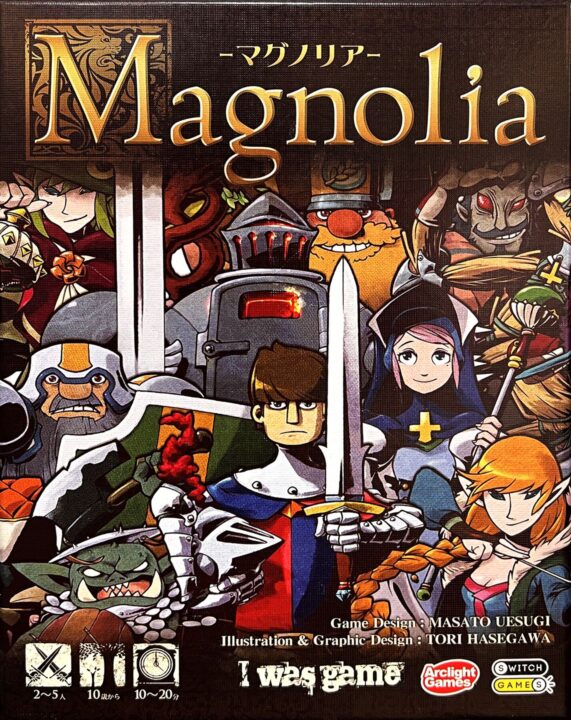
If you’re anything like me, you probably judge a board game by its box art and the number of snacks you’ll spill on it. Welcome to my review of Magnolia, a game that promises blooming gardens and cutthroat strategy—yes, at the same time. Spoiler: there are both petals and a few thorns here!
How It Plays
Setting up
Open the Magnolia box, try not to spill the lovely bits everywhere like I did, and give each player their own board. Shuffle the plant cards and lay out the garden tiles. Everyone grabs their starting tokens—no fighting over the prettiest ones.
Gameplay
On your turn, pick a card, plant it in your garden, and use actions to grow your floral empire. You’ll try to make smart combos and block your friends (I had to stop my friend Mark from building a tulip army—ruthless!). Watch out: timing is key, and it’s all about clever moves, not lucky draws.
Winning the game
Once the last round hits, everyone counts up their garden points. This is where I usually triple-check my math in hopes of a miracle win. Whoever has the most points is crowned the most magnificent gardener. Bragging rights included.
Want to know more? Read our extensive strategy guide for Magnolia.
Themes and Looks: Magnolia’s First Impression
When I cracked open Magnolia for the first time, it was like unwrapping a fancy box of overpriced chocolates. You know it’s pretty, but is it all style and no substance? Let’s talk art and theme. Magnolia takes you to a lush, overgrown garden where every card feels like it’s been kissed by a watercolor fairy. The artwork is actually stunning. Even my friend Roger, who thinks clip art is the peak of graphic design, sat quietly admiring the cards for a suspiciously long time. Every plant and character card is full of color, with these soft, inviting hues that make you want to touch everything—but don’t, because greasy fingers are the natural enemy of good board games.
The whole garden vibe carries right through the game’s components. The player boards are thick and smooth (no sad, floppy cardboard here), and the tokens look like something you’d find in a hip boutique rather than a game box. I could practically smell the imaginary blossoms. Now, Magnolia’s theme isn’t the deepest—a lot of it is “grow and show,” so don’t expect tearful backstories or drama with your begonias. But honestly, the game nails its goal: it feels peaceful and wholesome, and it’s a treat for people who value presentation.
I did notice that all the beauty in the world can’t save a game if the mechanics fall flat, so next up, I’ll tell you about Magnolia’s gameplay and why it might make or break your next game night. Stay tuned—I promise not to water it down.
How Magnolia Blooms: Gameplay Mechanics & Balance
So, let’s talk about the core of Magnolia—the gameplay. If you’ve ever wanted to grow a perfect garden without getting mud on your knees, this game might be your new best friend. Magnolia hands you a set of blooming decisions every turn. You choose flowers, collect resources, and try to make the fanciest beds while racing against your friends. It sounds easy, but I’ve witnessed actual debates over which flower card is the right one to grab. Move over, Monopoly fights—Magnolia might be the real friendship test.
The mechanics are smooth like a fresh garden path. Each player gets a fair shake, with plenty of ways to score points and block each other. The set collection aspect keeps everyone busy planning their next step, but nothing feels too punishing if you miss a move. I love that you’re rewarded for paying attention, not just blind luck. Magnolia strikes a nice balance—no runaway leader, no one left out in the weeds. I’d call it medium strategy with some luck, but it never feels like a lottery. My one gripe? Some resource cards feel a bit too rare, which can slow things down. Still, no game-breaking weeds here.
If balance is your thing, Magnolia keeps everyone level, but still throws a few curveballs to keep things spicy. Next, we’ll get our hands dirty with player interaction and strategy. Grab your gardening gloves—things are about to get competitive!
How Magnolia Blooms with Player Interaction and Strategy
If you think Magnolia is just about pretty flowers and peaceful gardens, buckle up. The game really shines when it comes to how players interact and mess with each other’s plans. Magnolia lets you target your friends’ gardens with certain cards, but it doesn’t get so mean that it ruins friendships… unless you’re still mad about Monopoly from last Christmas, in which case, maybe pick something less interactive.
Strategically, Magnolia doesn’t require you to have a PhD in horticulture, but there’s enough meat here to chew on. You’ve got to keep a close eye on your hand, watch what your friends are collecting, and time your moves so you grab those high-point flowers before someone snatches them up. One friend tried hoarding resources, but the game’s mechanics gently nudged them to spend and plan ahead, not just stash everything like a squirrel with trust issues. There’s also a little space for long-term planning, if you like to set up for big turns, but you can’t get too comfy—someone is always one step away from messing with your perfect row of magnolias.
Next up, let’s see if Magnolia is the kind of game you’ll want to play over and over, or if it wilts after a few plays.
How Many Times Can You Prune This Tree? Replay Value and Game Length in Magnolia
I know what you’re thinking: can I really play Magnolia over and over without wanting to use the board as a dinner plate? Let me assure you, this game has enough variety to stop that from happening. Magnolia doesn’t just hand you the same bouquet every time—each play is genuinely different thanks to the changing cards and random setup. One round, I was the king of the garden, smugly planting the last magnolia, then the next, my carefully laid plans wilted quicker than the office’s potted plant. The replay value is truly rooted in the ever-changing strategies you need to win.
Let’s talk about length, because sometimes we only have enough attention span for a YouTube short. Magnolia clocks in at a sweet 45-60 minutes. This means it fits nicely between longer strategy games and fast party games. Plus, the rules are simple enough that new players pick it up quick, so you won’t be explaining the same thing twelve times while someone zones out thinking about their laundry.
Now, Magnolia isn’t perfect: if you crave deep, endless combos or grandiose, hours-long epics, this might feel a bit too breezy. But for folks who want a medium-length game with strong replay value that doesn’t outstay its welcome, Magnolia plants the seed and lets it bloom. Would I recommend it? Absolutely!
Conclusion
So, that wraps up my review of Magnolia! If you love gardens, light strategy, and a game night without flipping the table, this one’s a real treat. The art is peaceful, the rules are easy to learn, and everyone gets to scheme a little. Sure, if you’re after deep, brain-busting tactics, you might pick something harder – but Magnolia delivers a fun, balanced game that won’t leave you feeling cheated by dumb luck. If that’s not a good sign, I don’t know what is!