
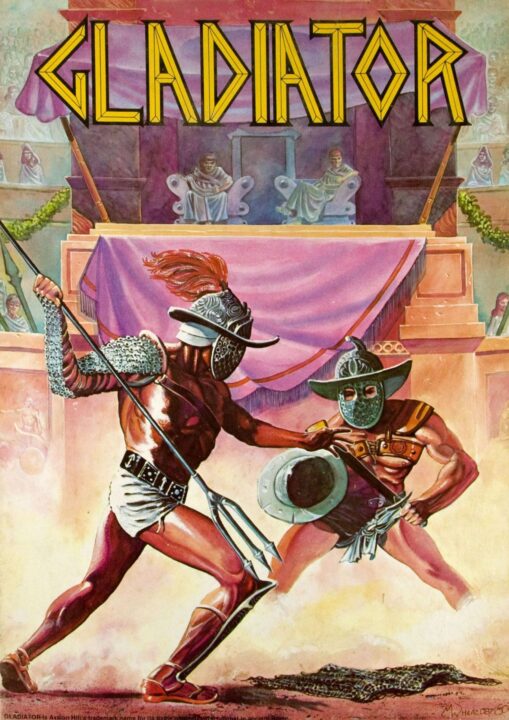
Welcome to my review of Gladiator, a tense arena clash where sharp tactics, bold attacks, and a little luck decide who stands tall. The game also creates strong face-to-face tension without turning every match into a total coin toss. Still, the play time and replay value deserve a closer look before you spend your money. Grab your shield, watch your flanks, and let’s see if this arena earns a place on your shelf.
How It Plays
Setting up
Give each player a gladiator, a player board, and the matching pieces. Place the arena in the middle, shuffle the cards, and set the health and fame markers to their starting spots. Try not to look too confident. The arena loves punishing that.
Gameplay
Players take turns moving their gladiators, using weapons, and playing cards to attack or defend. Positioning matters, since a smart move can trap an enemy or keep you out of harm’s way. Resolve attacks, apply damage, and use any special abilities. Keep playing rounds until the fight reaches its end condition.
Winning the game
The player who earns the most fame, or remains the last standing, wins, depending on the scenario being played. Check the scenario rules before the first clash, then celebrate loudly when your gladiator wins.
Want to know more? Read our extensive strategy guide for Gladiator.
Gladiator Combat System: Tactical Choices
Read the Arena Before You Strike
Each fighter has a clear role, and every attack asks a small but nasty question: do I hit hard now, or save strength for the next turn? This choice gives combat a nice rhythm. It feels like a scrap, not a dice parade.
Positioning Beats Button Mashing
Before each clash, players pick targets, set positions, and judge distance. Moving close can open a strong strike, but it may leave your gladiator exposed to a counter. I once sent my nimble fighter behind an enemy line, expecting a quick knockout. My mate Tom blocked the exit with a shield unit, and my clever plan became a very expensive lesson. The game rewards players who think one move ahead, while still leaving room to recover.
Timing Special Moves
Special moves add tasty choices without burying the table in rules. A stun can break an attack chain, a guard action can protect a weak ally, and a push can toss someone into a bad spot. I like that these tools reward timing more than button mashing. Still, the system sometimes slows when everyone studies the same few options. It was smart, but my coffee grew cold.
Even so, combat stays tense, clear, and fun, and I always felt my choices mattered; next, we will examine Balance between luck and skill, yet where Gladiator faces its biggest test.
Balance Between Luck and Skill in Gladiator
Gladiator works best when smart choices matter more than a lucky topdeck. Then I blocked it with a cheap guard. His face looked like a dropped sandwich. The moment showed the game’s main strength: luck opens doors, but skill decides which one to walk through.
Luck Gives You Options
Cards give fighters chances. A strong draw can rescue a wounded champion, while a poor hand can force you to guard, retreat, or change plans. It avoids wild swings. Players draw cards, keep useful ones, and gain ways to soften luck. I never felt doomed because of one unlucky flip. That matters in a combat game, where random effects can otherwise turn a careful plan into soup.
Skill Earns the Win
Skill appears in timing, positioning, and resource use. You must judge when to spend a strong move and when to save it. The rules reward planning without making turn feel solved. Fighters support different plans, so skill means reading board and spotting the risk. A player can turn a draw into a surprise.
Next, we will watch how player interaction raises arena tension, because even the best plan can wobble when a friend grins across the table and starts plotting your downfall as the crowd gets loud.
Player Interaction and Arena Tension in Gladiator
Every Move Gets a Reaction
Gladiator turns the table into a noisy little arena where every player watches every other player. A bold move from Sam made Lee cheer, groan, and immediately point at me. I had not even touched the board, yet somehow I became the villain. That social pressure gives each round a sharp edge.
Negotiation Without a Rulebook
The rules do not force players to talk, but the best games make silence feel impossible. The leader attracts offers, threats, and suspiciously kind advice. I often hear, “Help me now, and I will leave you alone later.” That promise lasts about as long as a cheap foam sword. During one match, two players joined forces against the leader, then argued over who deserved the reward. Their deal fell apart before anyone threw a punch, and the whole table laughed. This loose bargaining creates tension without adding a pile of fiddly rules.
The Arena Feels Alive
Position matters socially as much as it matters on the board. Players remember who helped them, who blocked a path, and who grabbed glory while others did the dirty work. A player can become the target simply by looking too comfortable. I have watched a quiet leader lose support after one smug smile. Nobody had to attack them at once; the table slowly closed its doors. That tension keeps players involved, even when their own gladiator sits in a rough spot. You still have a reason to bargain, interfere, or make one last dramatic stand.
Next, we measure Replay value and game length to see whether this arena still roars after the first victory or defeat.
Gladiator Replay Value and Game Length Review
How Long Does a Match Take?
Gladiator usually takes about 45 to 75 minutes for a game, depending on player count and how long everyone spends admiring their clever moves. Our first match ran longer because we read every card like it held the secret to eternal life. It did not.
Once players learn the basic flow, Gladiator moves at a steady clip. The rounds feel snappy, and the game does not drag unless someone turns every choice into a court case. That makes it a good pick for a weeknight, though new players may need one game to stop checking the rulebook.
Repeat Plays
Replay value comes from the changing mix of fighters, scenarios, and player habits. Even when the same people sit down, they rarely play the same way twice. One friend chases big swings like a hero in a film, while another plays safe and waits for the right moment. Those different styles keep the matches fresh.
Still, the game can lose some shine after several plays with the same group. The core loop stays familiar, so regular players may want new scenarios or house rules to keep things spicy. That is not a deal breaker, but it limits the appeal for a hardcore group.
For me, Gladiator works best as a reliable main event, not an all day marathon. I can play it twice in an evening without feeling trapped in the arena forever. That balance gives it solid replay value and keeps the table keen.
Recommendation: I recommend Gladiator for groups that want a medium length game with enough variety to return to the arena.
Conclusion
This concludes the review of Gladiator. After several arena battles with friends, I found a tense and enjoyable game with smart combat, useful tactics, and plenty of table talk. The best moments came from reading an opponent, saving the right move, and striking before they could recover. Luck adds some spice, but it does not steal the whole show, which keeps the game feeling fair.
The player interaction also gives each match a lively edge. Deals form, plans crack, and someone always claims they had everything under control. They rarely did. The main weakness is that the game can feel a little samey after many plays, and some sessions may run longer than expected. Still, Gladiator offers strong replay value for groups that enjoy direct conflict and tactical choices. It earns a solid recommendation, especially for players who like their board games with a bit of sand, sweat, and shouting.