
If you’ve ever wanted to save the world with your friends (and argue a little along the way), you might want to check this review out. I’ve spent many evenings wrangling climate crises, flipping tokens, and trying not to tip the balance into total disaster. And now, after many laughs and a few questionable decisions, here’s my full review of this ambitious cooperative board game. Spoiler: it’s not for the faint-hearted, but it’s rarely boring.
How It Plays
Setting up
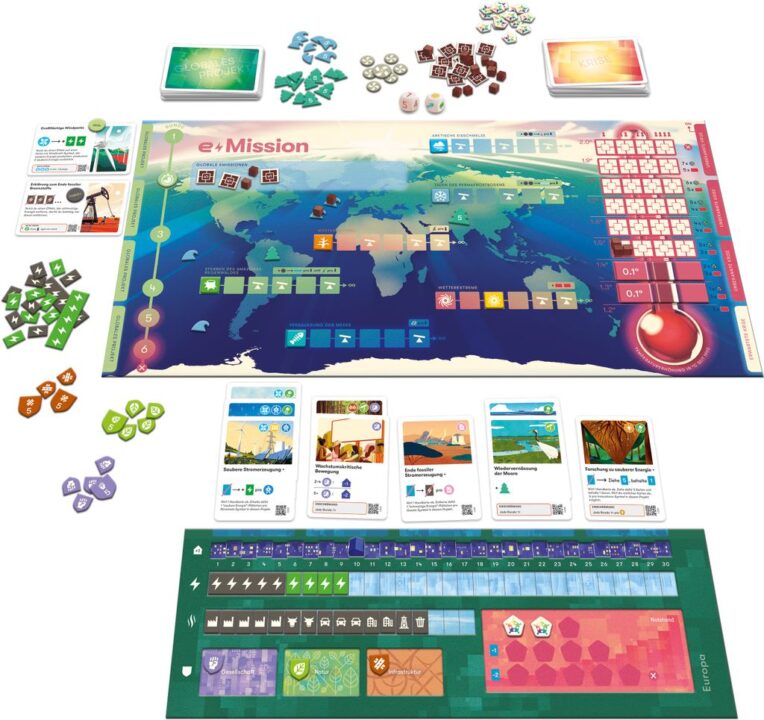
First, everyone picks a country board and grabs their matching tokens. Place the main world board in the middle—don’t spill your coffee on it like I did. Shuffle the event cards, set out the resource cubes, and give each player a clear spot at the table for their stuff. It’s easier than assembling IKEA furniture, promise!
Gameplay
Players work as a team to keep the world from turning into a flaming disaster. Each round, everyone chooses actions—like funding cool tech, helping other countries, or fighting disasters. Disasters can hit harder than my aunt’s chili, and events really keep you on your toes. You chat, plan, and sometimes argue over what to do next. Every move matters, because the world reacts fast!
Winning the Game
You all win together if you keep the planet’s heat under control and improve everyone’s wellbeing. But, if the world gets too hot or disasters pile up, you all lose together. So, teamwork isn’t just a suggestion—it’s your only shot! And yes, your one friend who always goes rogue will totally get called out.
Want to know more? Read our extensive strategy guide for Daybreak.
Teamwork Makes the Climate Work: Cooperative Gameplay and Team Interaction in Daybreak
There’s nothing quite like watching your friends scramble to fix a world disaster. Daybreak nails cooperative gameplay in a way that makes me feel like part of a team of eco-Avengers. The game tosses you and your mates into the deep end, but instead of a lifeboat, you get a stack of cards and the hope that someone remembered how to read the rulebook. But seriously, Daybreak shines when it comes to team interaction. The moment our group sat down, I knew this wasn’t going to be your average “every man for himself” Saturday night.
The magic here is in the way you have to actually talk, plan, and sometimes argue about saving the world. Sure, I’ve played plenty of co-ops, but Daybreak forced more actual teamwork than anything I’ve played since Pandemic. The threats come so fast and thick that you have no time for heroes acting solo. I tried the lone wolf approach once, and let’s just say the world didn’t exactly survive. You need to pool resources, share ideas, and sometimes take one for the team. Every country power feels like they matter, and if you don’t listen to Brazil’s food crisis problems because you’re too busy building solar panels in Europe, well… everyone’s gonna know about it.
Then there’s the table talk. My group argued, cheered, and laughed at each other’s bad ideas. There’s both stress and satisfaction in making decisions together, and the game’s design rewards players that actually try to cooperate. If you’re the kind that likes blaming others when things go wrong, this is your jam! Next up, I’ll tell you about the nitty-gritty of Daybreak’s climate change mechanics and just how real things can get. Spoiler: It’s more science than sci-fi.
How Daybreak Tackles Climate Change: Realism in Every Turn
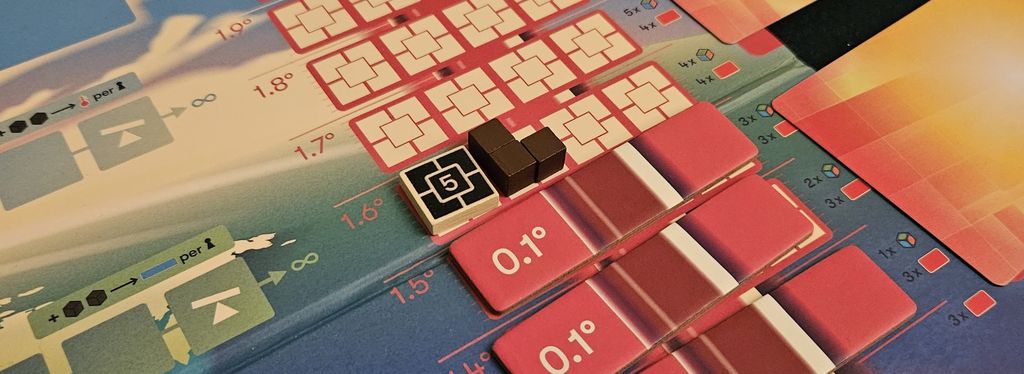
Let’s talk about the big elephant in the room – or should I say, the smog in the city? Daybreak nails the climate change theme in a way that makes me feel like Greta Thunberg with a dice tower. The game doesn’t just slap a polar bear on the box and call it a day. Each decision in Daybreak has actual consequences for the world you’re trying to save. Player actions shape carbon levels, extreme weather, and even eco-anxiety among the population. And yes, if you ignore renewables, prepare for fires, floods, and the annoyed looks from your friends who placed all their hopes on you.
What impresses me most is Daybreak’s realism. It’s not all doom and gloom, but it also never lets you cruise on autopilot. The fossil fuel dilemma is spot on. Sure, you can build coal plants to get a quick fix, but those come back to haunt you like last year’s Halloween candy. There’s no overpowered miracle cure. Mitigation takes work, a bit of compromise, and a lot of improvisation—kind of like assembling IKEA furniture with only half the screws.
I did notice that the educational aspect sometimes feels a little too real. If you want to escape the world’s problems, this game will just politely shove them back into your face. But honestly, it’s a strength—the game rewards players who think ahead and punishes those who don’t plan for long-term change. If you want easy mode, you’ll want to find another game.
But enough about melting glaciers and tight deadlines. Next up, I’ll talk about Daybreak’s component quality and artwork—the stuff you actually get to touch—so get ready to feast your eyes!
Daybreak: A Bright Spot for Components and Artwork
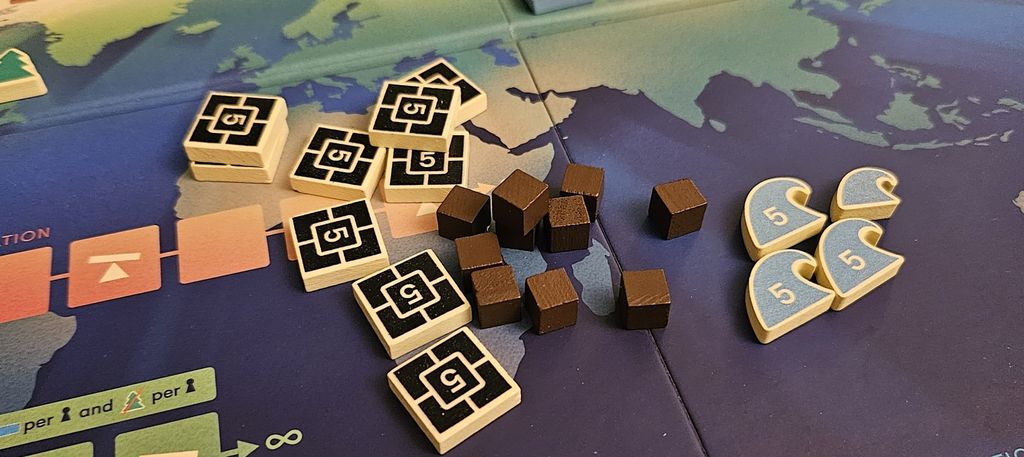
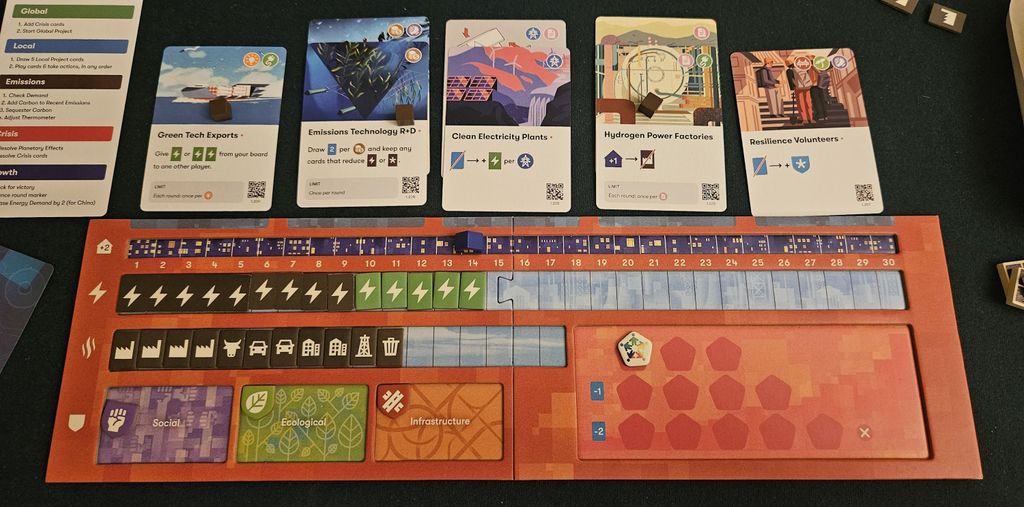
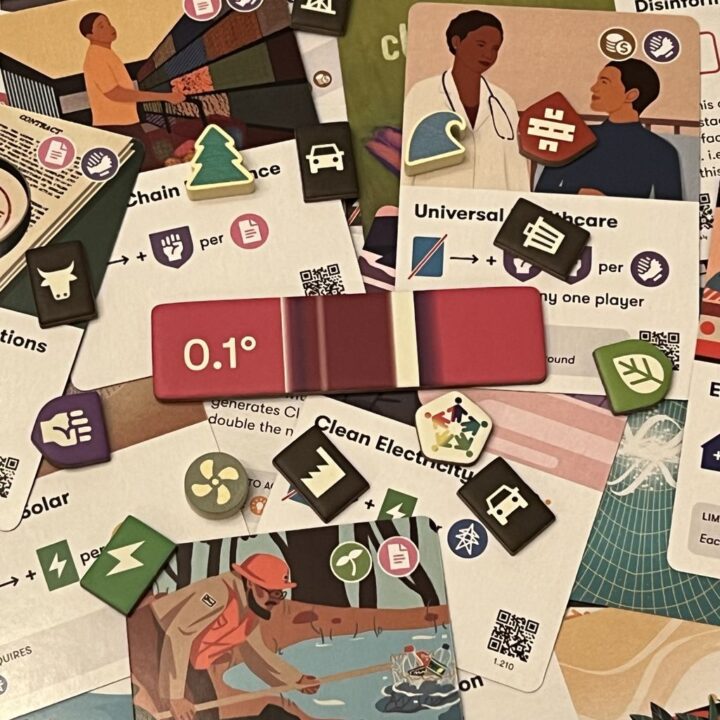
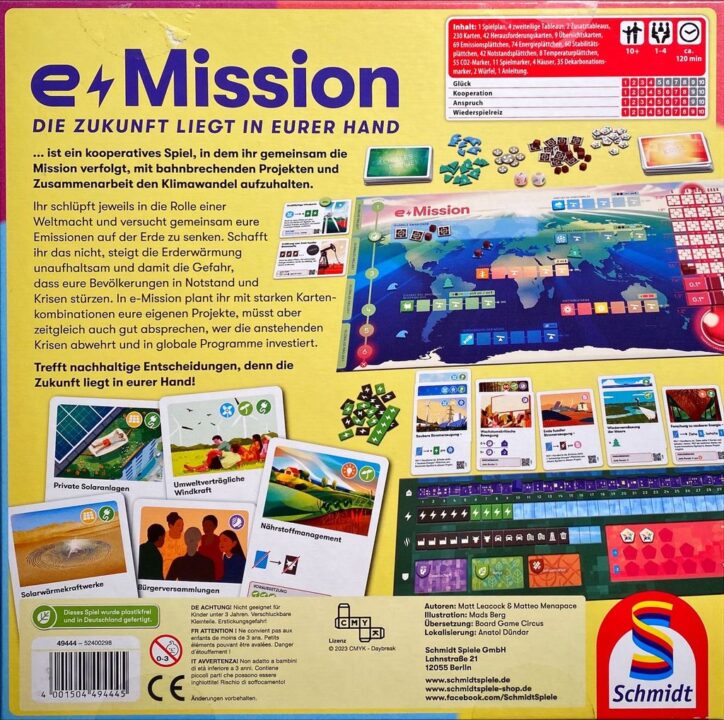
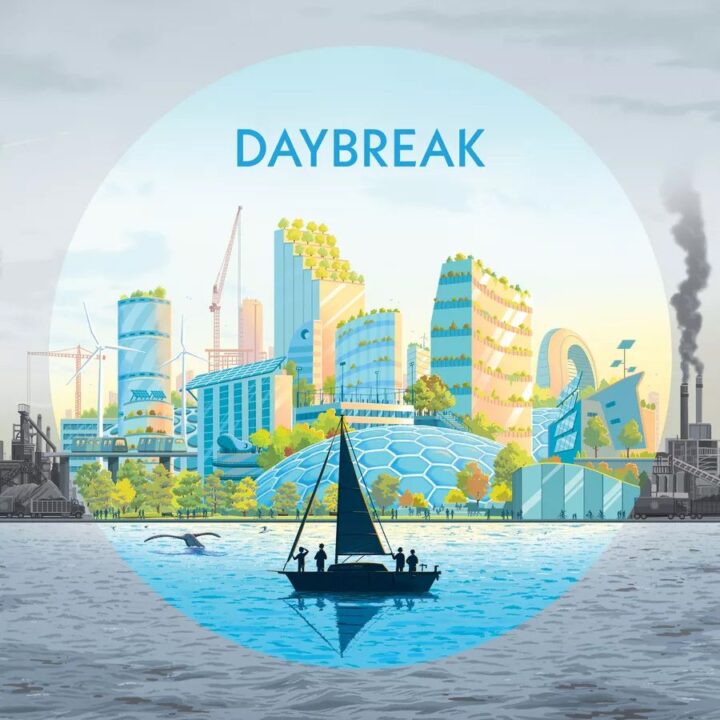
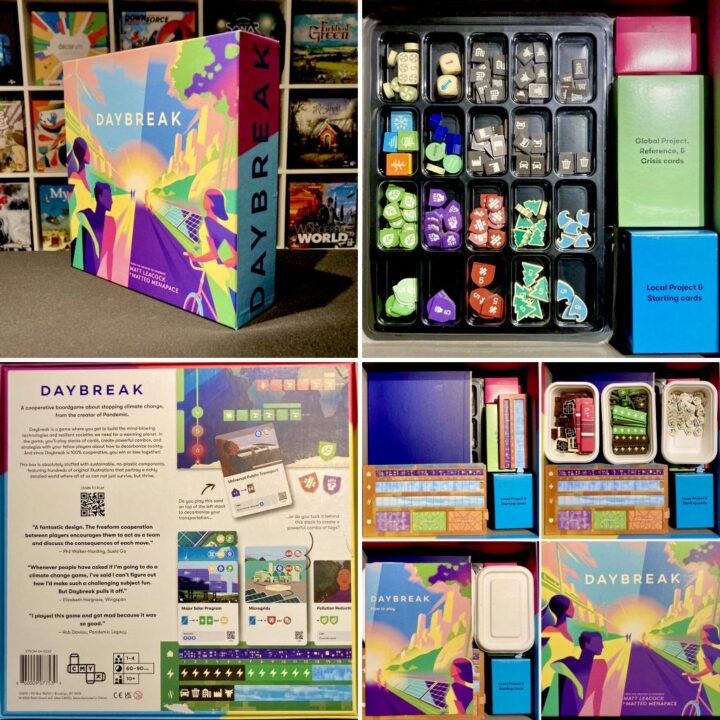
Crack open Daybreak, and the first thing you’ll probably notice is how good everything looks and feels. The box feels sturdy, like it could double as an emergency raft—which I suppose fits the theme. My friends and I handled the cards with our grubby hands, and they didn’t instantly curl like a panicked housecat. Thick, glossy—almost over-engineered. The game board itself? Bright, clear, and not cluttered. I’ve played some games where you can barely see your own misery on the board, but Daybreak gives your anxiety room to breathe!
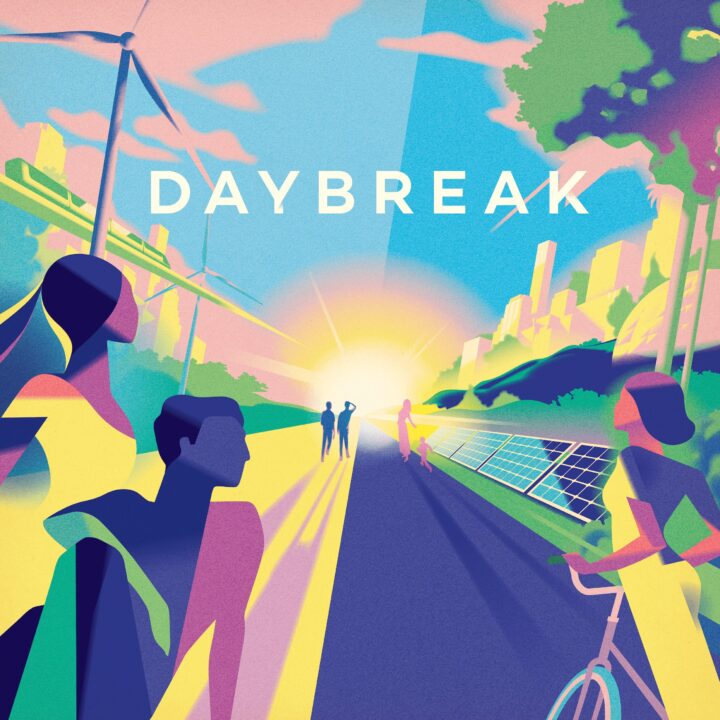
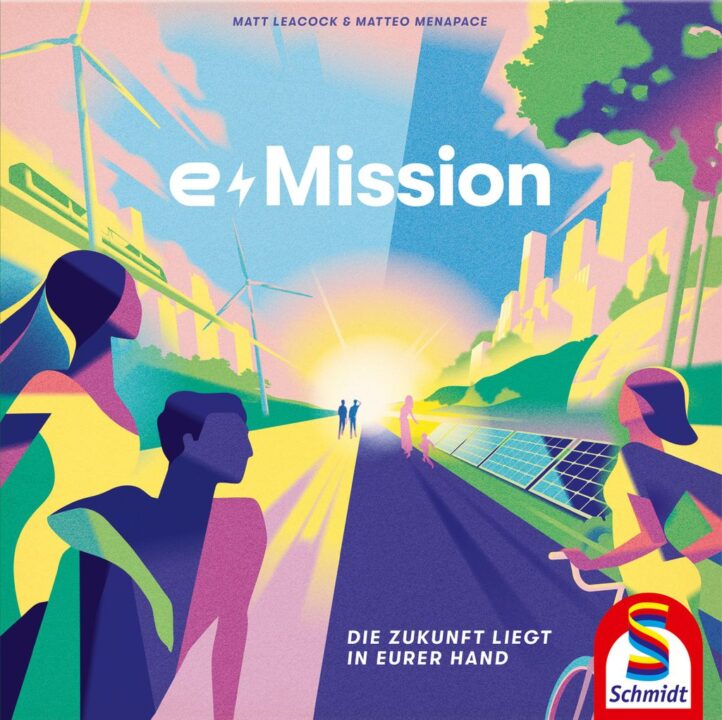
The artwork deserves some real love here. It’s not the usual fantasy stuff: instead, the game brings climate issues to life with clear, punchy icons and illustrations. You won’t find any dragons, but you will find adorable wind turbines and solar farms. My group actually started pointing out their favorite cards—”Check out this happy little forest!” someone shouted. The theme and art blend together so you never feel out of place, even when your in-game world’s heating up.
The components are all colorblind-friendly too, which is a huge bonus. Nobody was left squinting or asking, “Is this blue or green?” which happens in way too many games. Everything sits snug in the insert—no more bags exploding open once you stand the box up. I’ll say it: Daybreak might spoil you for lesser production values.
But enough about the game’s good looks—next up, let’s see if Daybreak stays fresh round after round or if it’s a one-trick pony!
How Long Can You Keep Saving the World? Replayability & Challenge Variety in Daybreak
Alright, so you’ve survived one climate crisis in Daybreak—but what about your next go-round? Here’s the thing: Daybreak knows we board gamers get bored fast. But this one keeps you coming back. Every game changes because the events deck throws fresh disasters your way. Trust me, your group will never see the exact same flood twice. My friend Sam thought he had the drought problem solved. Next game—boom! Shady lobbyists and melting ice caps. I watched his face fall like a glacier in July.
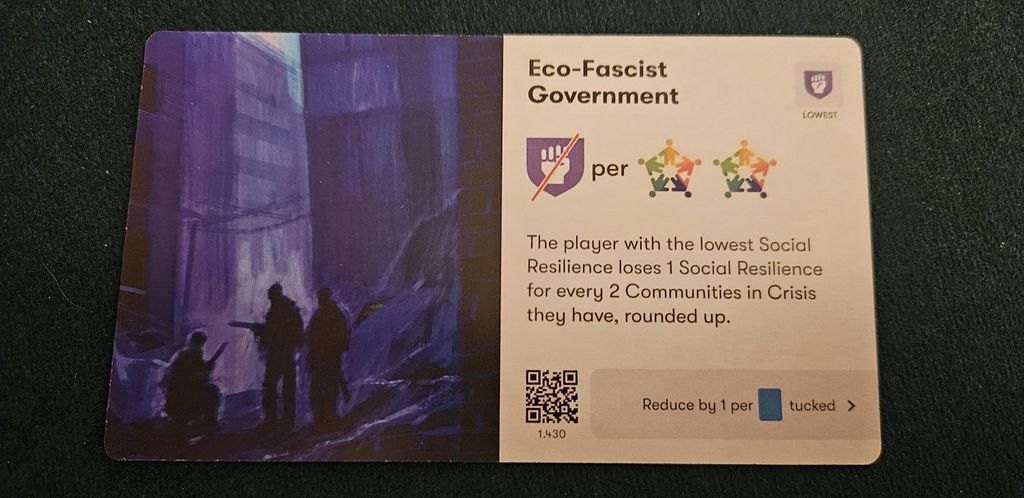
What really keeps things spicy, though, are the player roles. Want to try something new? Be the EU and flex those massive research muscles. Or team up as the US and juggle fossil-fuel disasters. Each role comes with unique strengths and headaches. You’ll find yourself swapping seats just to see if you can save the planet from a different angle. And don’t get me started on the secret policy cards—every time you play, you can unlock new paths, wild combos, and even more ways to beef up your city with green tech or just survive the next heatwave.
In fact, Daybreak’s tough variety means you’re either working together solidly or watching the world burn, but it never feels unfair or random—just hard. That, folks, is what keeps my group coming back for more. All in all, I recommend Daybreak if you want a smart, ever-fresh co-op challenge. Just don’t blame me if your friends start yelling about carbon emissions at the dinner table.
Conclusion
Daybreak packs a strong punch for folks who love co-op games and want to save the world, at least on cardboard. The climate change theme feels real and makes your brain work hard with your pals. Components are good, the art is sharp, and our group never felt luck ruined our careful plans. It’s not perfect—occasionally, arguments can get heated when saving the planet gets tense (looking at you, Pete, for emptying all the resources in one turn). Still, we kept coming back for more. If you want a clever, modern co-op game, grab Daybreak. That’s the end of my review—now go save humanity, and don’t forget snacks!