
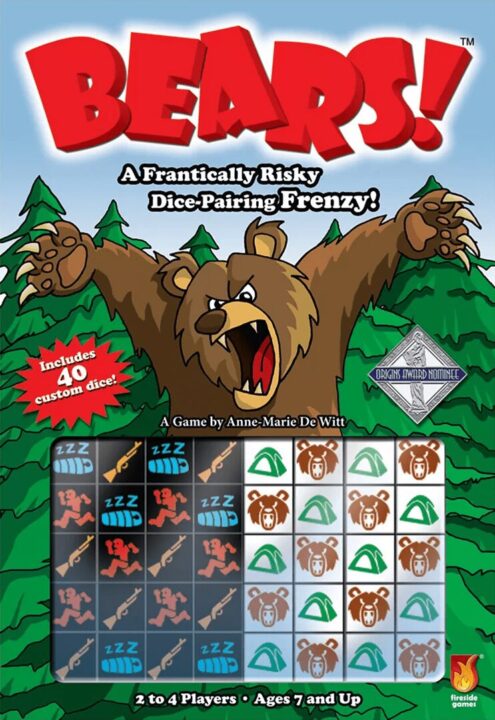
This review looks at bears!, a cheerful game of bear-catching, clever timing, and the odd plan that falls apart faster than my snack stash. Player count changes the pace, while sturdy parts and good replay value help keep the game fresh.
How It Plays
Setting up
Shuffle the cards and deal each player a starting hand. Place the remaining cards face down as the draw pile, then leave room for the bears everyone hopes to catch.
Gameplay
On your turn, draw and play cards to catch bears, block other players, or improve your own plans. Watch what others collect, remember useful cards, and choose the right moment to make your move. A little luck helps, but sloppy timing can leave you growling at the table.
Winning the game
Keep playing until the game reaches its end condition. Players then score their caught bears and any bonus points. The player with the most points wins and earns the right to make one terrible bear pun.
Want to know more? Read our extensive strategy guide for Bears!.
Gameplay and Bear-Catching Strategy
In bears!, catching wildlife sounds simple until three friends start blocking every path like grumpy park rangers. Each turn gives you a chance to move, set a trap, or claim a bear from an area. The smart play comes from planning two turns ahead, not from grabbing the biggest animal. I learned this after chasing a bear, only to watch Sam stroll in and take the smaller one that completed his set. My bear looked impressive. His score looked better. Rude, but fair.
Watch the board, not just your hand
Good players track which bears other players want. If Mia keeps collecting brown bears, I will take one she needs, even when it gives me fewer points. That move can slow her engine and open a route for me. Still, blocking should serve a plan. I once spent turns being petty and ended with a collection that looked like a zoo gift shop after closing.
Timing matters most near the end. Save a useful action when the board changes, then pounce before another player can refresh the supply. Flexible catches beat flashy catches because they keep your options open. I also prefer safe points over a heroic gamble, unless the table has forced my paw. New players should watch patterns, count likely turns, and avoid chasing every shiny reward. Bears! rewards calm choices, tidy planning, and just enough mischief to make your friends sigh. Next, we will test whether sharp decisions truly beat the capricious paws of luck in Luck versus player skill.
Luck Versus Player Skill in bears!
Where Luck Takes the Wheel
Luck can make a bear look clever, which is a dangerous thing at my game table. In bears!, cards and dice can hand you a perfect chance or leave you staring at a sad little pile of nothing. I have watched my friend Tom celebrate a lucky turn like he had personally invented forests. He had not. The bear gods simply liked him that night.
Why Skill Still Matters
That luck never tells the whole story, though. Good players still make strong choices when the cards turn sour. You must judge when to grab a safe bear, when to risk a bigger reward, and when to stop poking the hungry cardboard wildlife. Timing matters more than chasing every shiny chance. I often win by passing on a tempting move, then watching another player wander into trouble with the confidence of a man carrying a sandwich through a seagull convention.
The game rewards memory too. Remembering which bears appeared, and who already spent key cards, helps you spot real odds instead of guessing. That edge grows across several rounds, so experienced players usually beat newcomers without needing a lucky hat.
However, luck can swing a close match hard. A poor draw may block your best plan, while one wild result can hand victory to someone who played like a sleepy raccoon. That keeps the game exciting, but it also stops bears! from feeling fully fair. Next, Player count and downtime arrive, armed with tiny hourglasses.
Player Count and Downtime in Bears!: How Long Will You Wait?
In bears!, player count changes the whole mood. With two or three people, turns move at a brisk pace, and nobody has time to build a tiny cardboard campsite while everyone stares into space. This makes the game feel sharp, light, and easy to bring out after dinner. It also suits mixed groups, since new players can follow the action without needing a twelve-page rulebook or a snack break.
At four players, bears! stays lively, but the wait between turns grows a little. You can still watch the table, read the changing board, and plan a move before your turn arrives. That helps the downtime feel useful rather than dead. Nobody gets banished to the sofa with only a sad drink for company.
Where Downtime Gets Hairy
The game can drag with a full table if players debate every choice like they are presenting evidence at bear court. A careful player may check several options, while three others quietly age by the minute. This is not a huge problem, yet it does soften the quick feel found in smaller games. I found that a simple house rule fixed it: give each player a short timer, but stop the clock when someone asks a rules question. That kept things friendly instead of turning the table into a bear-themed hostage crisis.
Best Player Count
I like bears! best with three players. It gives everyone enough turns to stay involved without creating a traffic jam. Two players feel brisk and tidy, while four works for a louder group that enjoys table talk. Next section: Replay value and components will test shelf appeal.
Bears! Replay Value and Components Review
Fresh Fun in the Box
Instead, the game kept pulling us back for one more round. Replay value comes from the simple urge to try a new plan, not from a giant pile of rules or a mountain of tiny tokens. Each session feels familiar, yet small changes in the setup and the choices around the table create fresh problems.
What You Get
The components feel sturdy enough for regular family use. The cards have clear art and a nice finish, while the bear pieces stand out without looking like plastic bath toys. Still, the game looks cheerful on the table and feels nicer than its price suggests.
Why It Lasts
Replay value also comes from the people around it. With different friends, bears! creates new jokes, grudges, and wild claims about who “stole” the best bear. The game works best when players enjoy light table talk and quick decisions, rather than deep story building. It may lose some shine if you play it every night for weeks. Yet it remains easy to teach, quick to reset, and tempting to bring on trips. The compact footprint helps. It fits beside snacks.
I recommend bears! for players who want a friendly game with parts that can handle real use and enough variety to earn repeat plays. It will not replace every game in your collection, but it earns its seat at the table.
Conclusion
This concludes my review of Bears!. The game offers quick, funny rounds, simple bear-catching rules, and enough choice to keep your brain busy without making it smoke. Skill matters, but luck can still wander in and steal your lunch. I enjoyed it most with three or four players, where the action stays lively and nobody waits too long. The solid components and easy setup also make it a handy game for game nights. It does not offer huge depth, and unlucky turns can sting, but Bears! still delivers a cheerful little romp. Grab it if you want a light, replayable game with a silly theme and just enough strategy to keep everyone grumbling in a fun way.