
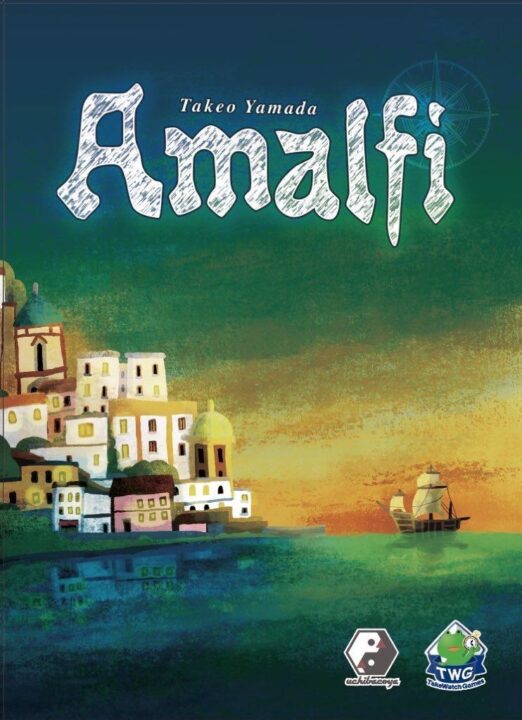
Welcome, fellow game wranglers and table-traffic controllers! If you’ve ever wanted to captain a mighty ship, scheme with friends, or just show off your pretend-merchant swagger, then have I got a treat for you. In this review, I’ll take you through my recent adventures—and misadventures—with Amalfi. Spoiler: I kept trying to trade tea for gold and ended up with a boat full of weird looks. Buckle up (or, uh, tie your sails?) as I share what makes this game shine, where it stumbles, and whether it’s worth hauling onto your next game night.
How It Plays
Setting up
First, pick your player color. Not as stressful as it sounds, unless Steve insists on blue again. Lay out the main board, give everyone their ships, coins, and the starting cards. Place the goods and objectives in their spots. Shuffle, deal, and try not to knock over your coffee (again).
Gameplay
On your turn, you send ships to ports, grab goods, and use special actions. Plan routes, compete for trade, and hire folks who make your crew better. Think hard—every move counts! Folks who wing it will watch their ships sink, at least in spirit. The game lasts several rounds, and everyone takes turns until someone yells “wait, I have another action!” (usually me).
Winning the game
When the last round ends, count your points from goods, objectives, and epic ships. The wealthiest and most clever merchant wins. If you have the most gold, bragging rights are yours—until the rematch, anyway.
Want to know more? Read our extensive strategy guide for Amalfi.
How Amalfi’s Game Mechanics and Rules Clarity Keep Things Interesting (and Only Sometimes Confusing)
If you ever wanted to be a rugged sea captain but get seasick at the kiddie pool, you’ll appreciate Amalfi’s clever mechanics. The game throws you into a bustling medieval port where you sail your ships, snagging fancy cargo and making wild trades. Turns are broken down into bite-sized actions—move, collect, upgrade, or recruit a sneaky monk (yes, really)—so you’re not stuck reading a novel every time someone goes. Everyone picked up the flow quickly, which honestly shocked me.
The rules, tucked inside a 16-page rulebook, are mostly clear. One thing I loved: Amalfi put most of the icon explanations on the game board itself. Less time flipping through pages, more time plotting my rise to trade glory.
Amalfi rewards planning over luck, so you can’t just coast to victory on hot dice rolls. If you’re a control freak (like me), you’ll love that. The only hiccup is the first playthrough can feel slow, especially when folks overthink all their move options. Pro tip: play your first round with snacks. The rules are firm but fair, and once you get rolling, it all clicks together.
Next up, I’ll talk about replayability and player engagement—because what’s the point of being a merchant tycoon if nobody wants to come back to your port?
Replayability and Player Engagement in Amalfi
If you’ve ever played a game once and thought, ‘Well, that’s it, I’ve seen all it has to offer,’ don’t worry—Amalfi is not that kind of game. My friend Tom tried a fish-only strategy, which I thought would flop, but somehow he smoked us all. So yes, the board might look the same, but no two games feel alike.
Player engagement is also a big deal in Amalfi. The turns move quicker than a gondola race when everyone knows what they’re doing. Each action you take can change the tone of the game, so you’ll want to keep an eye on your opponents. Unlike games where you get distracted and start checking your phone (I’m looking at you, Monopoly), you’ll actually want to pay attention. I had my friend Jess so focused on my next move, she forgot to eat her snacks, which should earn Amalfi a medal in itself.
Next up, we’ll weigh the scales between strategy and luck in Amalfi—because nothing ruins a pasta dinner faster than an unfair die roll!
Is Amalfi a Game of Masterminds or Dice Rollers? The Truth About Strategy vs. Luck
Not because I’m scared of losing (okay, maybe a little), but because I want a game where my brilliant plans and sneaky tactics actually pay off. So, how does Amalfi stack up when it comes to balancing brain power with the tickle of fate?
Honestly, Amalfi leans hard into strategy, which had me grinning like a smug cat. Each decision matters. You have to plan which ships to use, the order to trigger actions, and which goods to chase. There’s always something to think about, and if you mess up, you can’t blame it on the game making you draw a weird card or flip an unlucky coin. That’s kind of refreshing in a sea of luck-heavy games.
Now, don’t get me wrong. There’s a little luck in the mix—just enough to keep things spicy but not so much that it feels unfair. For example, the way the deck deals out your starting ships can offer a slight edge or a tiny hurdle, but smart choices always rule in the end. If you lose, you probably got outplayed, not out-lucked. I’ve seen players crawl from dead last to snatch victory with clever moves and ruthless efficiency. My friend Mark still won’t let me forget how he squeaked by me in the final round. Sigh.
Next up, I’ll talk about what your eyeballs get to feast on: the component quality and visual bling of Amalfi. Prepare your retinas!
Amalfi Board Game: Stunning Components & Eye-Popping Visuals
Let’s talk about the stuff that catches your eye and makes you go, “Ooh, shiny!” Amalfi really nails it in the component department. The game comes packed with wooden ships that are actually shaped like ships. I mean, come on! The first time we opened the box, my buddy Steve kept making boat noises for ten minutes (I regret nothing). Pretty sure that’s a sign the game designers did something right.
The main board itself looks like a slice of Italian coastline, complete with pastel houses and sea lanes. The art style is bright, cheerful, and somehow makes you crave pizza. The cards feel sturdy, and even after several heated sessions with greasy snacks (sorry, Amalfi), everything still looks good. The player boards are nice and thick, not those flimsy ones that curl if you breathe too hard.
You also get a pile of tokens, coins, and colorful cubes. The coins actually feel hefty! Not like real gold, but still satisfying to plonk on the table when you pull off a smart move. My one small gripe: the cubes and tokens can turn your play area into a mess if you don’t stay organized. Steve has a ‘cube avalanche’ every game, but that might just be a Steve problem.
To sum it up: Amalfi doesn’t just play well—it also looks good doing it. If you want a game that’ll impress anyone who walks by the table, this is a fine choice. Would I recommend it? Absolutely, unless you hate good-looking games. In that case…what’s wrong with you?
Conclusion
And there you have it, folks—my Amalfi review, all wrapped up like a bundle of fresh fish at the port! Amalfi swept me away with its clever strategy, little reliance on luck, and top-notch components. If you like planning, outsmarting your friends, and ogling pretty game boards, you’ll get a kick out of this one. Sure, setup can be a bit of a slog and the rulebook might send you checking BGG more than once, but those felt like small potatoes after a few rounds. If you want a fair, strategic board game that won’t leave your fate up to the dice gods, Amalfi deserves a spot on your table. Now go set sail—and don’t let your cousin Mike steal the good ship again!