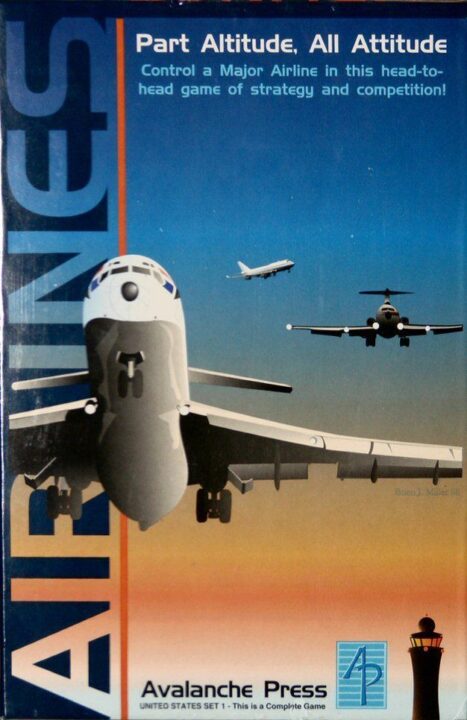

Alright, gather round, board game fans! This is a review of the classic board game that lets you boss airlines around the world. If you’ve ever wanted to elbow your friends out of a flight path or hoard a pile of plastic airplanes, you’re in the right place. I’ve played this game with my group (and yes, we’re still on speaking terms), so buckle up for takeoff as I spill the good, the bad, and the bumpy from our journey.
How It Plays
Setting up
Grab the board and lay it flat (no, not across your cat). Everyone picks a color and grabs their airplanes and money. Shuffle the event cards, deal starting airlines, and your empire-in-the-sky is ready to launch.
Gameplay
On your turn, you bid for airport routes, build airlines, and try to outsmart your so-called friends. Snatch routes, collect those sweet tickets, and keep an eye on the event cards—they may bring storms or surprise profits. No rolling dice here, just careful planning and sneaky deals.
Winning the game
The game ends when all routes are claimed or time flies by (usually about an hour). Count your hard-earned cash. The richest airline tycoon wins, and you get bragging rights… or grumbling rivals until next time.
Want to know more? Read our extensive strategy guide for Airlines.
How Airlines Takes Flight with Its Gameplay and Rules
Alright, let’s talk about the nuts and bolts of Airlines, because if the rules aren’t clear, you’re pretty much lost on the tarmac. First off, setting up Airlines was a breeze, which is a relief because my friends start plotting mutiny if there’s more than one rulebook. In Airlines, you take control of a fledgling airline company in the golden age of flight (so, think snazzy hats and classy posters). Your goal? Build lucrative air routes around the world, snap up airports, and rake in more money than your rivals.
Each turn is split into clear phases: you buy airplanes, grab route cards, and then lay down your routes. The rulebook, thank the board game gods, spells out what you can and can’t do at each stage using big, readable fonts and actual examples. The steps never feel fuzzy. When my friend Jordan tried a sneaky move to fly from Madrid to Moscow with no connection, we just flipped to the right page, and boom—it was a no-go. That was satisfyingly clear, and also very funny.
The mechanics are solid: you balance money, invest in routes, and keep your eyes glued to the map so you don’t get boxed in by everyone else. Nothing feels wonky or unfair. The game isn’t packed with random chance—there are some luck-of-the-draw moments with route cards, but skill always trumps luck if you think ahead. I never once saw someone win just because they got lucky cards. That matters a lot to me, because nobody likes a game where victory depends on flipping the perfect card at the last minute.
Next up, let’s see how Airlines stirs the pot when it comes to player interaction and competition—I promise, this one’s got more drama than an airport baggage claim!
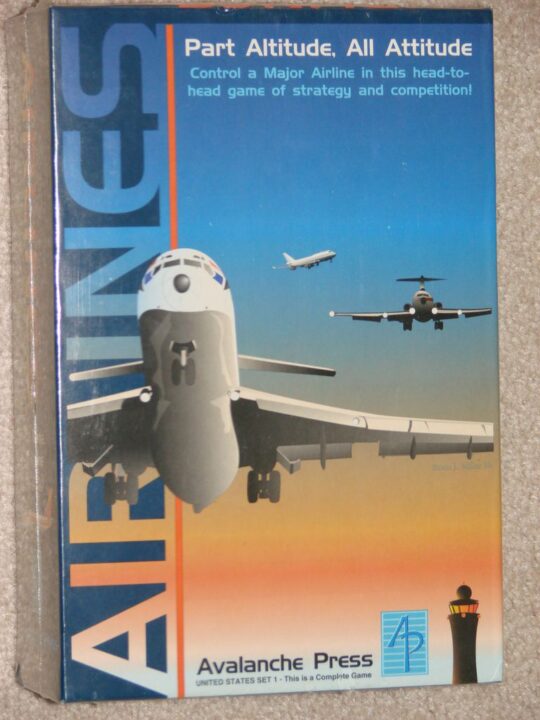
Player Rivalry and Sky-High Competition in Airlines
Alright, buckle up and please fasten your seatbelts, because Airlines isn’t your usual friendly skies. Sure, you’re running airlines, but if you think we’re just here to do some light travel, think again. This game quickly turns into a fierce competition to snag the best routes and outfly your friends. I played with my usual board game group—Lisa, who’s normally quiet, actually trash-talked me for half the game when I blocked her Rome-to-Paris route. If you’re looking for a board game to bring out people’s competitive side, Airlines might as well hand out pilot hats and boxing gloves at the start.
The core of player interaction in Airlines comes from route grabbing and clever timing. Every turn, you smell opportunity mixed with panic sweat as you watch someone else eye that juicy London corridor you’ve been saving for. You start hatching wild schemes to get there first, maybe even pretending you want Berlin just to throw people off your tail. There are no alliances here—just savage, hilarious blocking and the occasional desperate negotiation. Once, my buddy tried to bribe us with cookies just so we’d let him build a route, but this game is not for the weak (or cookie lovers).
Airlines gives you a pure, strategic dogfight disguised as an airline business game, and interaction is intense, direct, and full of table talk. So get ready for some tense, competitive fun—and speaking of intensity, next we’ll see if luck or strategy takes flight in Airlines!
Luck vs Strategy: Who’s Really in the Pilot’s Seat in Airlines?
If you’re the kind of player who tosses dice like they’re cursed and gets nervous when luck calls the shots, Airlines might actually be your new happy place. Unlike some games where the roll of a die can ruin your entire masterplan (I still have flashbacks from my last Monopoly showdown), Airlines keeps randomness on a very short leash.
Strategy is the real captain in Airlines. Every route you buy, every hub you choose, every backstabbing alliance you make—it all comes from your own fiendish brain. There are some minor luck moments, like when new route cards show up or another player snags the exact spot you wanted, but it never feels like the game is just flipping coins. My friend Dave once tried to win by just randomly buying routes and, well, let’s just say he spent most of the game grounded at the airport snack bar watching the rest of us actually build companies.
The best part? Airlines rewards players who watch what others are doing and adapt their plans. I found myself sweating over every decision, knowing that a clever move could set me up for a huge endgame payout. It’s all about reading the table and outmaneuvering your rivals, not praying for the right card to show up. If you lose, you really can’t blame bad luck—just your own mistakes (and maybe Dave’s bad advice).
But enough about brains—let’s ogle the shiny bits! Next up: how Airlines looks and feels on the table.
How Good Does Airlines Look and Feel on the Table?
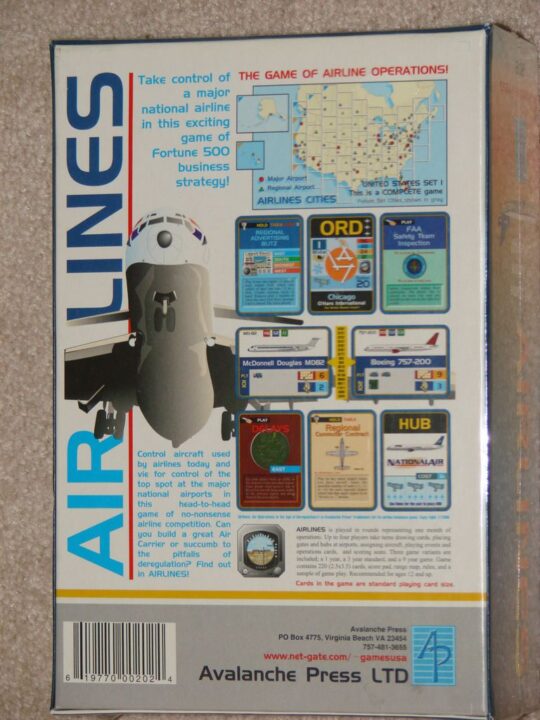
Let’s talk about component quality, because Airlines has that vintage beauty I can’t help but admire every time I yank the lid off. The board has a classic map that hits you right in the wanderlust, with city names that made Dave try to pronounce “Ljubljana” and nearly spit out his soda. The airport tokens are colorful, chunky and honestly look edible. (I don’t actually recommend eating them, unless you want an odd hospital story.)
The cards? Sturdy. Not those flimsy bits that curl if you breathe on them. I shoved them across the table a few too many times during a route-stealing negotiation with Sam, and they survived—no creases, no complaints. The money tokens could be a bit thicker, but I guess Airlines doesn’t want to turn anyone into a pretend billionaire. The planes themselves have a charming 90s vibe. These are not miniatures you’d paint for three hours, but they do stand out, and lining them up felt at least slightly like actual air traffic control. Except with less panic and fewer radio calls.
I wish the player aids were a bit bigger, since my friend Jess squinted hard enough to nearly give herself wrinkles. But the box insert kept everything tidy even after an accidental table flip (don’t ask). Airlines wins for looking sharp and feeling sturdy – it’s one of those games that just keeps looking better as it gets played more. If you love board games that feel like they belong in a museum (in a good way), this is a yes from me.
Conclusion
That wraps up my review of Airlines! After several heated rounds with my friends (one even tried to bribe me with snacks for a better route), I can say Airlines is a solid game if you enjoy old-school competition and wheeling and dealing. The rules are clear, luck doesn’t run the show, and the components are sturdy enough to survive snack-fueled arguments. Sure, it’s not for people who want total peace and quiet on board, but if you’re ready for some friendly turbulence, give this classic a try. Now, if you’ll excuse me, I need to remind my friend that no, you can’t exchange pretzels for airline stock. Happy flying!