7 Best Memory Board Games of 2026: Honest Reviews
We tested seven memory games with friends, seeking easy rules, clever twists, and enough laughs to survive one more round.

Memory games can turn a quiet table into a room full of cheers, groans, and one person blaming the dog. We picked these seven memory-based board games by looking at how easy they are to learn, how well they suit different ages, and whether they stay fun after several plays. We also checked for clever twists, fair rules, and enough player interaction to keep everyone involved. Some reward sharp recall, while others test teamwork, timing, or the brave art of pretending you remember something. After playing them with friends, we found plenty of laughs, a few shocking brain blanks, and some proper table-top gems.
On this list:
7 Memory
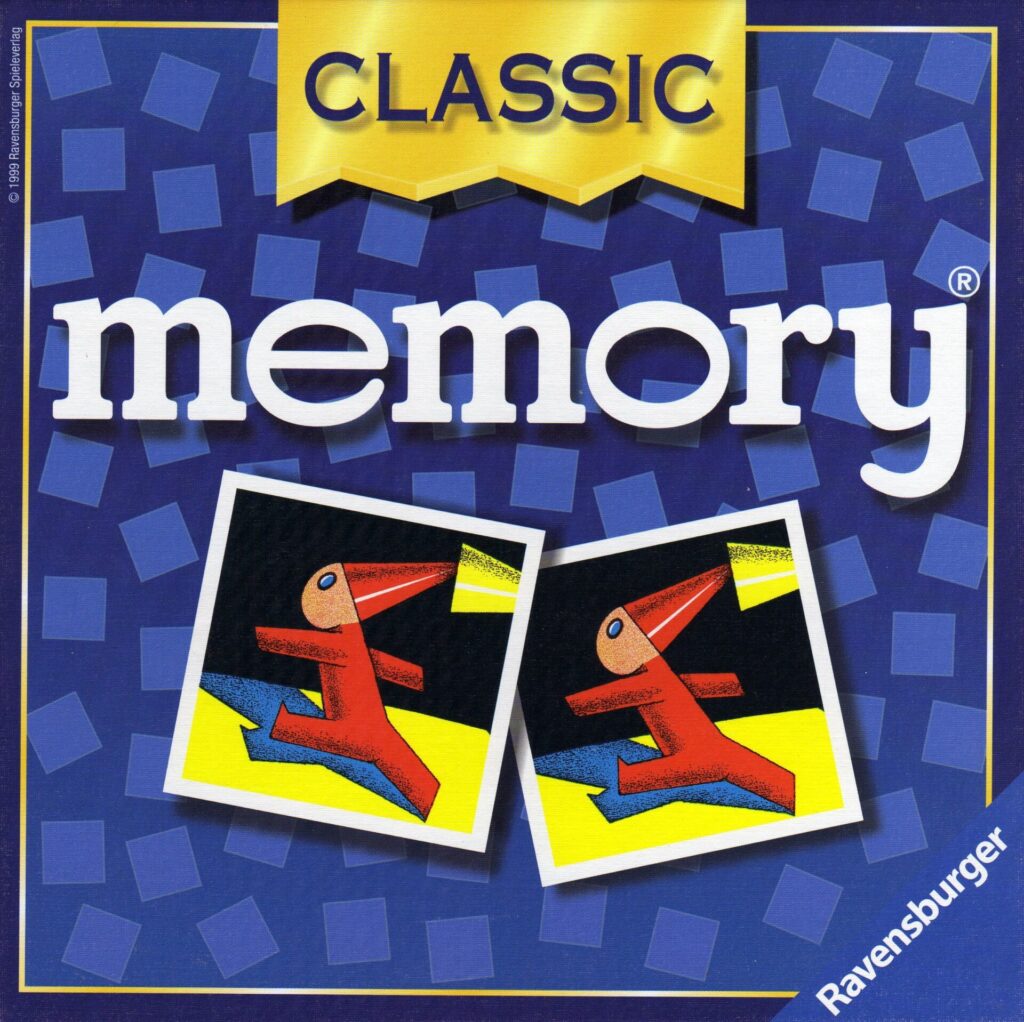
Memory is the classic match-pair game, and it still works better than many newer memory titles. Players flip two tiles, hunt for matching pictures, and try to remember where each image hides. We played it with children and adults, and the table quickly filled with groans, cheers, and one person claiming the cat tile had moved. The rules take about thirty seconds to explain, which makes this a great first memory game. Different editions use animals, cartoons, or famous art, so families can pick a theme they like. It offers little strategy beyond memory and focus, but that simple design remains its biggest strength. BoardGameGeek lists many editions, making it easy to find a real copy.
6 Pengoloo
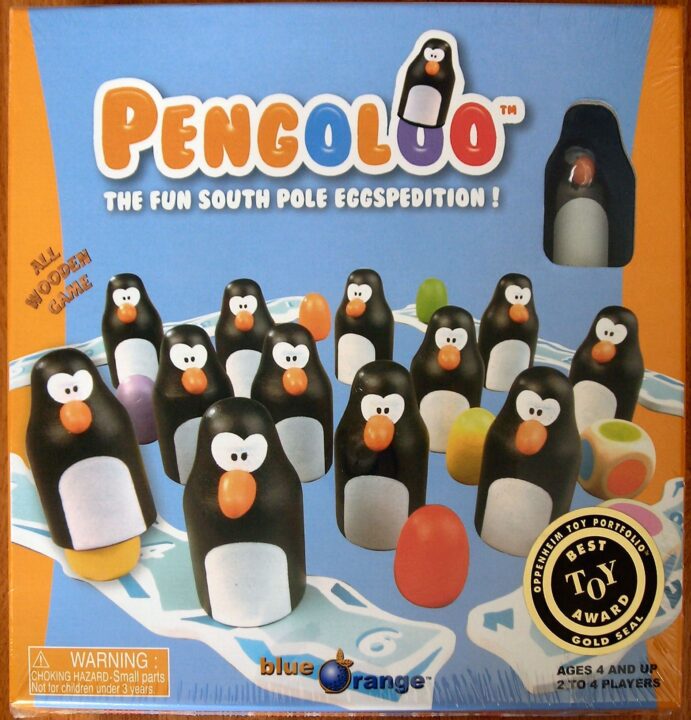
Pengoloo turns memory into a cheerful penguin treasure hunt. Each penguin hides a colored egg, and players roll dice to decide which colors they must find. We played this with younger gamers, and they loved lifting the penguins far more than they cared about our very serious adult tactics. The game rewards memory, but it also gives players useful choices. You can search for an egg you remember, or risk a guess that may help you catch up. The chunky pieces feel great in small hands, and the game stays short enough to avoid the dreaded family-game slump. Pengoloo makes a fine pick for preschoolers who want a memory game with more action than simple matching.
5 Leo
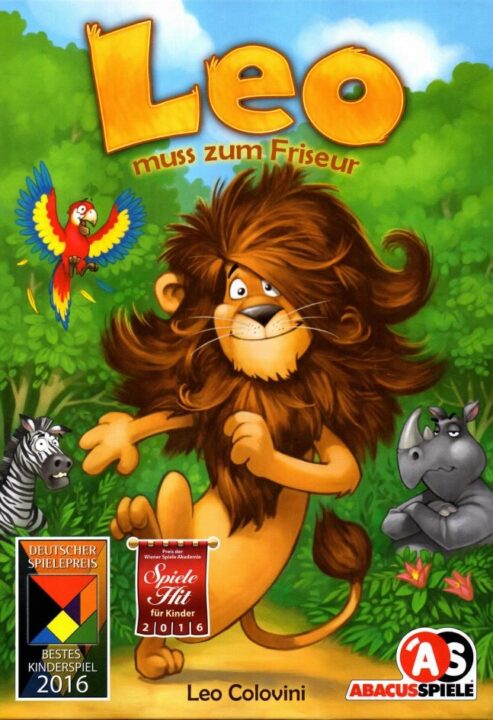
Leo gives the memory genre a funny story and a shared goal. Leo the lion needs to reach the barber before his mane grows too wild, but players must remember paths through the jungle and manage time cards. We found the shared play much less stressful than a normal race. Everyone talks, points, forgets, then loudly insists they never forgot anything. The game lets players improve across several rounds, so mistakes become clues instead of pure bad luck. Leo works well with children because players can discuss choices together, while adults still face enough pressure to stay involved. Its memory puzzle feels clear and useful, not like a tacked-on trick. The bright jungle theme also gives the game real charm.
4 That’s Not a Hat
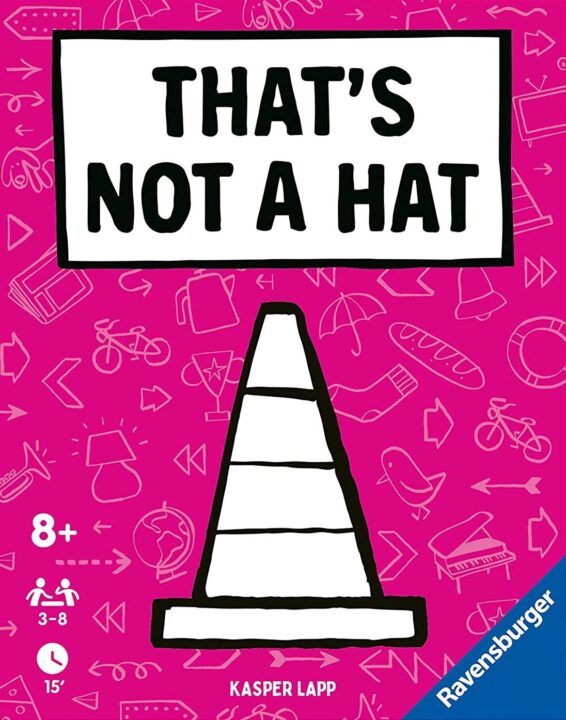
That’s Not a Hat turns memory into a tiny social disaster, which we mean as a compliment. Players pass gifts around while trying to remember who supposedly received what. When someone offers a gift, you can accept it or call them out. The trouble starts when nobody remembers anything and the table fills with confident nonsense. We played several rounds, and even our friend with an excellent memory began blaming the cards, the lighting, and possibly the moon. The rules stay simple, the rounds move fast, and the game works with mixed groups. It does not offer deep planning, but it creates more laughs than many larger party games. This is an excellent gateway memory game for new players.
3 The Magic Labyrinth
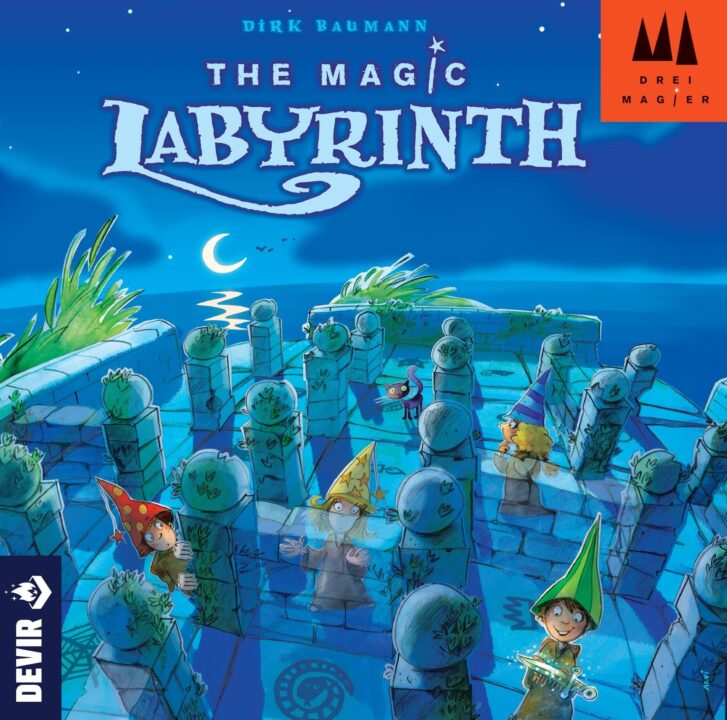
The Magic Labyrinth hides a clever memory challenge under a bright wooden maze. Players move their pawns through an unseen network while magnets below the board block paths and drop their pieces if they hit a wall. Everyone must remember which routes worked and which ones caused a tiny wooden tragedy. We played with adults and children, and the game created the rare sound of total silence followed by a loud clunk. The physical maze gives memory a strong sense of place, so players learn through movement rather than simple card flipping. It also supports gentle competition without making mistakes feel harsh. The components feel sturdy, and the game remains easy to teach after one practice round.
2 Hanabi
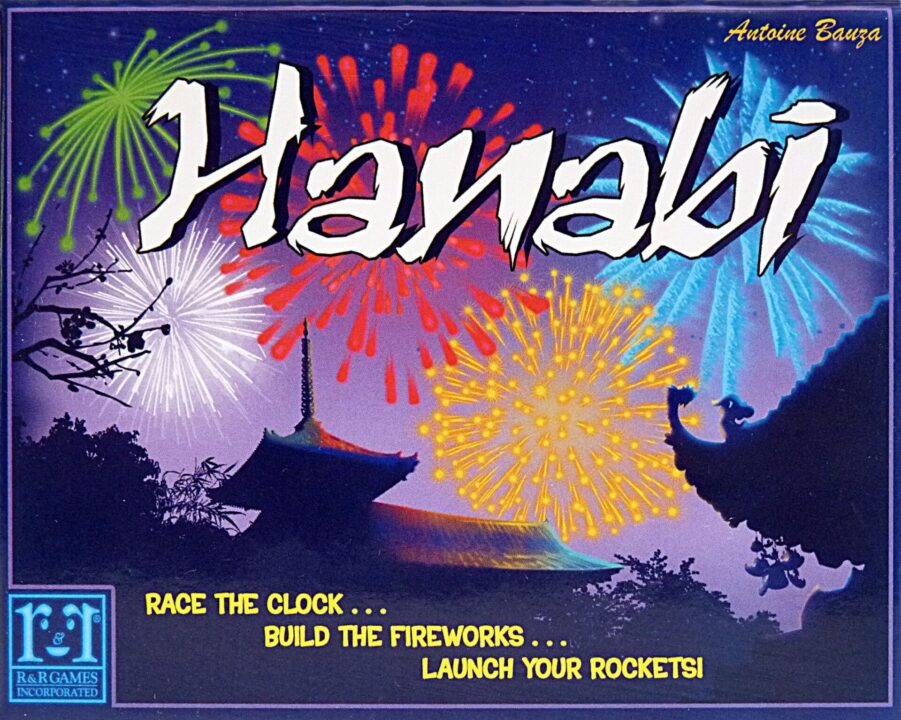
Hanabi uses memory as part of a smart team puzzle about fireworks. Players hold their cards facing everyone else, so they cannot see their own hands. Friends give limited clues, and players must remember those clues while building each color in order. We played Hanabi with a group that normally argues over every rule, and the shared goal kept the table focused. It rewards careful listening, clear hints, and a strong memory for card details. The game feels harder than its small box suggests, but new players can learn through low-risk rounds. Hanabi may not look like a classic memory game, yet memory drives every good choice. Just avoid vague clues unless you enjoy friendly table mutiny.
1 The Mind
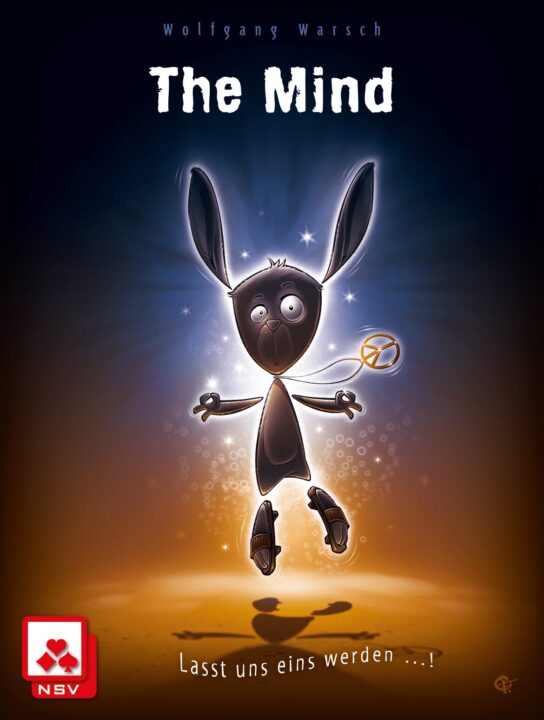
The Mind is our best pick for players who want a memory game with tension and almost no rules. Players must play numbered cards in rising order, but they cannot speak, gesture, or reveal their cards. Memory matters because you track what numbers have appeared and what the group may still hold. We played it late one night, and a table that had spent hours chatting suddenly stared at each other like nervous owls. The game teaches players to read timing, remember past cards, and trust the group. It can feel strange at first, but that quiet mood becomes the point. The Mind offers a fresh take on memory, teamwork, and risk. We chose it as the best because it stays simple, tense, funny, and easy to replay.