
12 Best Espionage Board Games to Play in 2026
Find the best espionage board games for bluffing, secret missions, deduction, and thrilling spy showdowns with friends at the table.
For this list, we focused on games that create tense choices, hidden plans, bluffing, sharp deduction, and plenty of table talk. We also looked at how easy each game is to learn, how well it works with different group sizes, and whether it stays fun after several plays. Some reward teamwork, others thrive on lies, but all bring strong espionage fun to the table.
Compare a few picks
| Game | Players | Play time | Age | Where to buy |
|---|---|---|---|---|
| Codenames | 2–8+ | 15 minutes | 10+ | Check on Amazon ↗ |
| Decrypto | 3–8 | 15–45 minutes | 12+ | Check on Amazon ↗ |
| The Resistance | 5–10 | 30 minutes | 13+ | Check on Amazon ↗ |
On this list:
- Codenames Shop on Amazon ↗
- Decrypto Shop on Amazon ↗
- The Resistance Shop on Amazon ↗
- Spyfall Shop on Amazon ↗
- Watergate Shop on Amazon ↗
- Specter Ops Shop on Amazon ↗
- Android: Netrunner Shop on Amazon ↗
- Inkognito Shop on Amazon ↗
- Top Secret Spies Shop on Amazon ↗
- CIA vs KGB Shop on Amazon ↗
- Spy Club Shop on Amazon ↗
- Two Rooms and a Boom Shop on Amazon ↗
- Decrypto Shop on Amazon ↗
12 Codenames
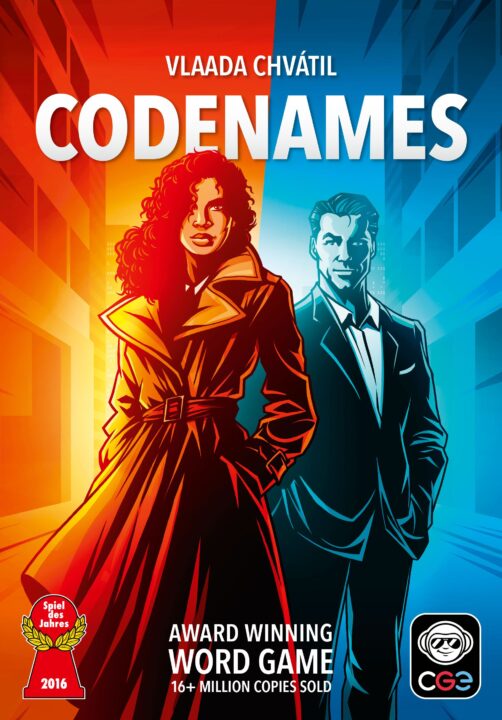
Codenames turns espionage into a quick word game that almost anyone can learn in five minutes. We split into two teams, then watched our spymasters sweat over clues such as “cold” and “film.” One wrong guess can help the other team, while the assassin ends the round at once. The game works best with four or more players, and larger groups create wonderfully silly arguments. The clue system rewards clever links but never demands a rulebook degree. Codenames earns its spot because it delivers strong espionage flavour without slowing the party down. It also costs less than many large box games, which makes it an easy first buy.
11 Decrypto
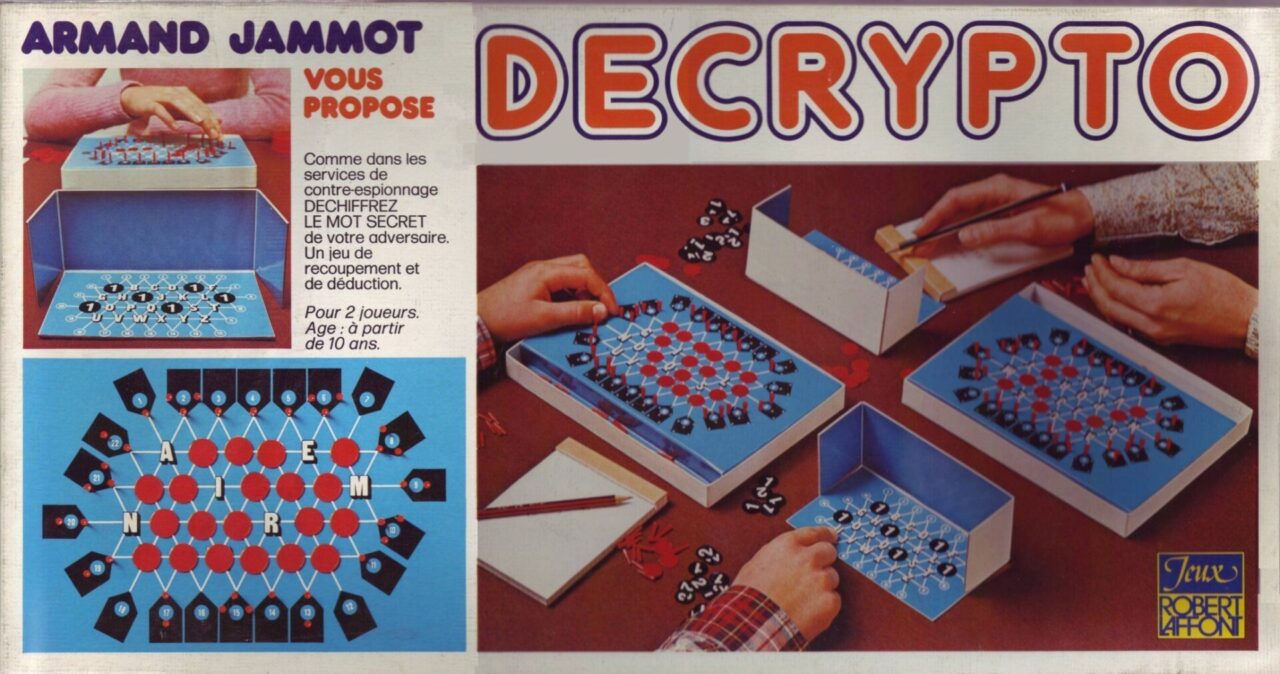
Decrypto asks each team to pass secret codes while stopping the other team from cracking them. We liked how the game grows sharper each round. Early clues feel safe, but later clues must stay clear for teammates and vague for rivals. The game feels more like real espionage than many word games because players build a code system and protect it over time. New players may need one round before the idea clicks, yet the rules remain simple. Decrypto suits groups that enjoy clever talk, bluffing, and the tiny panic of realising the other team now knows your secret pattern. It offers more depth than Codenames while keeping the play time friendly.
10 The Resistance
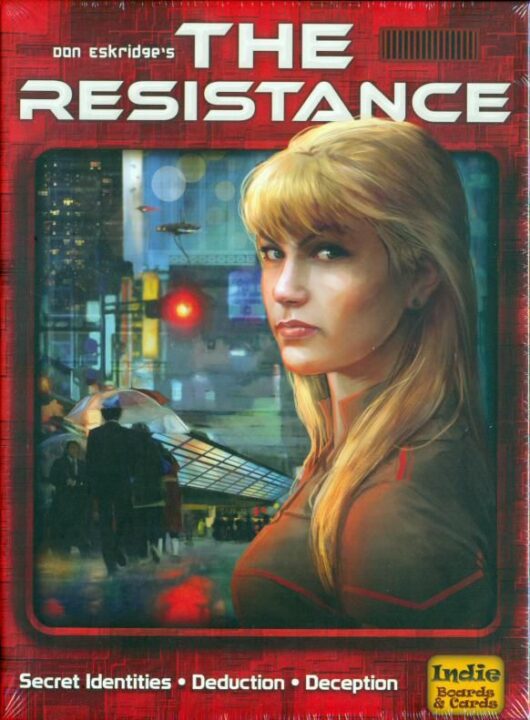
The Resistance puts every player inside a rebel cell, but some agents secretly work for the enemy. We formed teams, argued over trust, and watched innocent faces suddenly look very guilty. The game needs no board, so it travels well and starts fast. Each mission creates a simple question: who do we trust enough to send? Spies can sabotage missions, while loyal players must spot them through talk and voting. The espionage theme feels clear without drowning the game in story. This title suits groups that like bluffing and social tension. It does not work well with shy groups, though; silent spies can hide like socks in a washing machine.
9 Spyfall
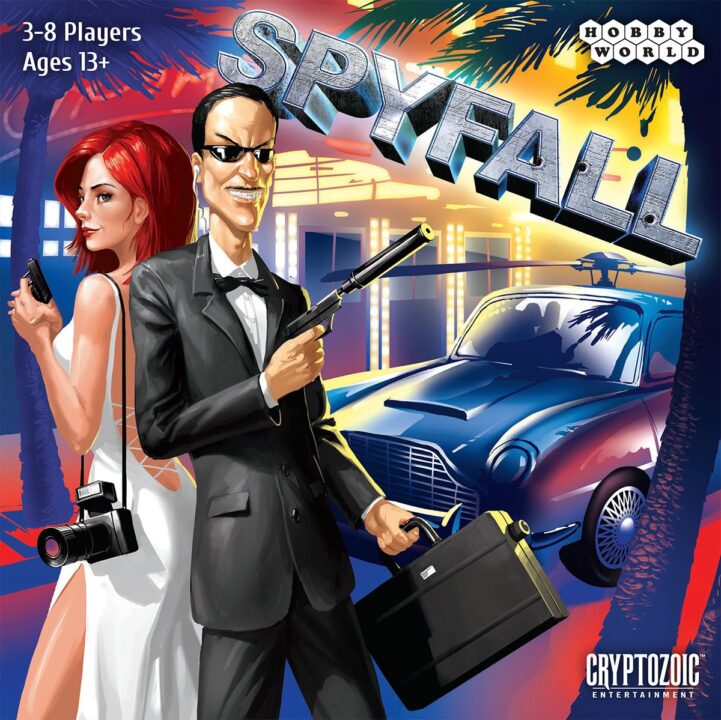
Spyfall gives every player the same location except one hidden spy. We might all work at a submarine base, a casino, or a space station, while one player has no clue where anyone is. Players ask questions to expose the spy, but overly clear questions reveal the location. We found the best moments came from harmless questions that suddenly sounded suspicious. The spy can also guess the location at any time, which keeps every answer tense. Spyfall plays quickly and teaches itself after one round. New players can join without studying cards or charts. The game needs confident talkers, so it may wobble with a quiet crowd. Still, it creates a funny, fast espionage scene where everyone looks guilty and nobody trusts the person asking about toilets.
8 Watergate
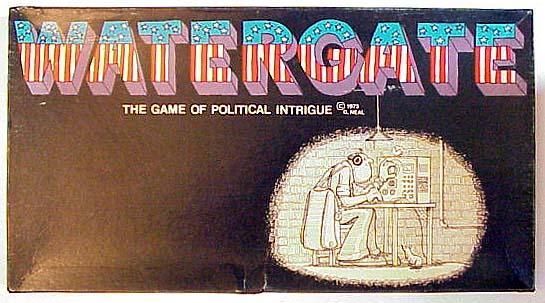
Watergate gives one player the Nixon administration and the other the editor of The Washington Post. The editor gathers evidence, while the administration tries to block the investigation. We enjoyed how the game turns a famous political scandal into a tight two-player duel. Every card offers useful choices, so players must decide whether to chase evidence, move sources, or control the board. The hidden-information elements create a strong espionage mood without relying on random dice rolls. Our matches often ended with one final card and a groan from the losing side. Watergate suits players who want serious strategy in a small package. It asks more from newcomers than Codenames, but the rules stay manageable. This is the best choice here for two friends who enjoy history, bluffing, and sharp tactical play.
7 Specter Ops

Specter Ops creates a hidden-movement hunt across a near-future facility. One player controls a sneaky agent, while the others lead hunters who track clues and predict routes. The agent enjoys clever movement and risky missions; the hunters enjoy narrowing the search and pouncing at the right moment. The board gives the game a proper espionage look, with walls, buildings, and secret paths. Some turns can drag when players overthink every possibility, but the tension usually pays the rent. Specter Ops works best when everyone enjoys a cat-and-mouse story. It offers more meat than a party spy game, yet it avoids the giant time demand found in many war games. Bring snacks and a pencil.
6 Android: Netrunner
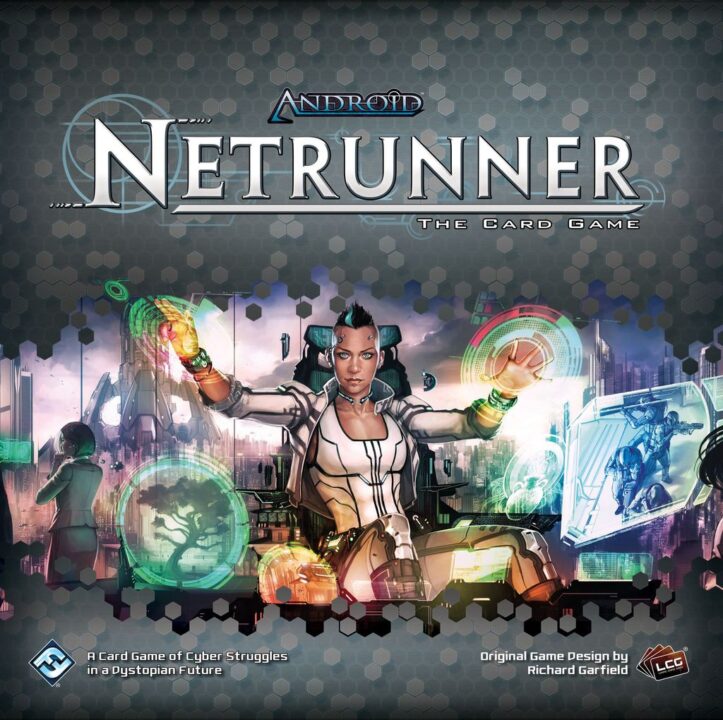
Android: Netrunner pits a corporation against a runner who steals its secrets. The corporation builds servers, ICE, and traps, while the runner hacks through defences and grabs agendas. We loved the way each side feels completely different, almost like two games sharing one table. The hidden cards create real espionage tension because a harmless-looking server may hold a nasty surprise. Netrunner rewards repeat plays, since players learn card tricks and build sharper decks over time. That depth can scare away beginners, and the old living card game format requires some care when finding cards. Still, few games capture digital espionage so well. It belongs on this list for players who want a serious, clever duel with bluffing, risk, and enough strategy to keep the brain busy for weeks.
5 Inkognito
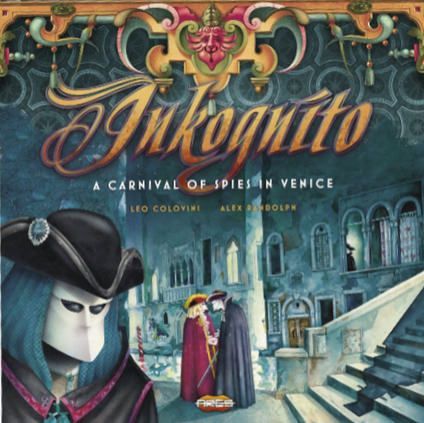
Inkognito sends players around Venice while they search for hidden partners and secret goals. Each player controls a disguised agent, but nobody knows who works with whom. We enjoyed the odd mix of movement, deduction, and bluffing. Players ask questions, swap information, and try to spot the partner who fits their clues. The colourful board gives the game a playful look, yet the hidden alliances create proper espionage pressure. Inkognito works best when everyone talks and watches carefully. It can feel strange at first because the rules include several small systems, but the mystery becomes clear after one round. Choose this game if you want a classic spy theme with a lighter, more old-school feel.
4 Top Secret Spies

Top Secret Spies gives players several coloured spies and asks them to score points while hiding their true loyalties. We found the game surprisingly sneaky for such a small rules set. Players move spies around the board, collect information, and try to keep rivals from learning which agents they support. The design rewards restraint: making one spy look too important can expose your plan. The game feels like classic espionage rather than high-tech hacking, with coded motives and shifting trust. It suits families and casual groups who want more strategy than a party game but less homework than a heavy title. The older look adds charm, even if the spy pawns seem a bit underfed.
3 CIA vs KGB
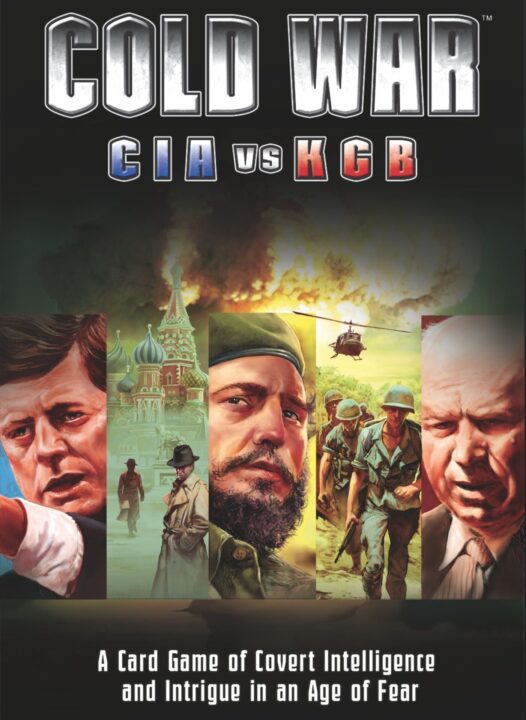
CIA vs KGB delivers a direct two-player contest between rival spy agencies during the Cold War. Players send agents to countries, use events, and fight for influence across the globe. We liked its clean focus: every card helps your plan, hurts the other side, or does both at once. The game creates strong espionage stories without needing a huge board or long setup. One turn can make a safe region suddenly feel like a powder keg, which kept our matches lively. New players may need time to understand the card effects, but the core idea remains easy to grasp. This title suits two friends who enjoy head-to-head games and historical flavour. It feels tense, compact, and just mean enough to make the rematch feel personal. Politely personal, mostly.
2 Spy Club

Spy Club offers cooperative deduction with a friendly, low-pressure espionage theme. Players work together to solve a case by collecting clues, sharing information, and narrowing down suspects. We enjoyed the teamwork because nobody had to sit out after a bad guess. The game gives players useful choices without burying them under rules, so it suits families and newer hobby gamers. Each case adds a little more story and challenge, which gives the box a sense of progress. Spy Club works best when players enjoy solving a puzzle together rather than tricking one another. Pick it for a relaxed spy night, especially when your table wants mystery without shouting “you are the traitor” every five minutes.
1 Two Rooms and a Boom

Two Rooms and a Boom turns a large group into two secret teams with hidden roles. Players move between rooms, trade members, and negotiate while searching for the opposing leader. The espionage theme comes from hidden identities and shifting alliances rather than a map or mission system. The game needs a big group and enough space to separate the teams, so it will not suit every table. It also depends on players embracing the social chaos. When that happens, it creates memorable stories and a lot of laughter. Choose it for parties where people enjoy talking to strangers and making wild guesses with total confidence.
0 Decrypto
Decrypto takes the final spot because it gives the best all-round espionage experience for new players and seasoned groups. The game creates tension without needing a long setup, a giant board, or a wallet full of tiny plastic spies. Every round adds information, so clever clues matter more as the game continues. It also scales well and encourages table talk without forcing one player to perform the whole evening. We chose Decrypto as the best espionage game here because it blends theme, brain work, laughter, and replay value better than the others. Our only warning: never trust the person who says, “This clue is obvious.”