
15 Best Environmental Board Games to Play in 2026
Explore the best environmental board games, from wildlife habitats to climate choices, and find a fun challenge for game night.


The 15 Best Environmental Board Games for Greener Game Nights
Compare a few picks
| Game | Players | Play time | Age | Where to buy |
|---|---|---|---|---|
| Ark Nova | 1-4 | 90-150 minutes | 14+ | Check on Amazon ↗ |
| CO₂: Second Chance | 1-5 | 75-120 minutes | 14+ | Check on Amazon ↗ |
| Daybreak | 1-4 | 60-90 minutes | 10+ | Check on Amazon ↗ |
On this list:
- Ark Nova Shop on Amazon ↗
- CO₂: Second Chance Shop on Amazon ↗
- Daybreak Shop on Amazon ↗
- Evolution: Climate Shop on Amazon ↗
- Earth Shop on Amazon ↗
- Photosynthesis Shop on Amazon ↗
- Planet Shop on Amazon ↗
- Cascadia Shop on Amazon ↗
- Ecosystem Shop on Amazon ↗
- Renature Shop on Amazon ↗
- Living Forest Shop on Amazon ↗
- Bosk Shop on Amazon ↗
- Ocean Crisis Shop on Amazon ↗
- Reef Shop on Amazon ↗
- The Great Barrier Reef Shop on Amazon ↗
- Cascadia: Landmarks Shop on Amazon ↗
- Cascadia Shop on Amazon ↗
15 Ark Nova
We build a modern zoo, but this game cares more about conservation than selling hot dogs shaped like giraffes. Each turn, we choose cards, build habitats, support projects, and release animals into the wild. The environmental theme feels strong because conservation projects sit at the heart of the game, not on a tiny side board. Ark Nova takes a while to learn and play, so new players should bring snacks and patience. Still, it offers one of the richest environmental strategy games around.
14 CO₂: Second Chance
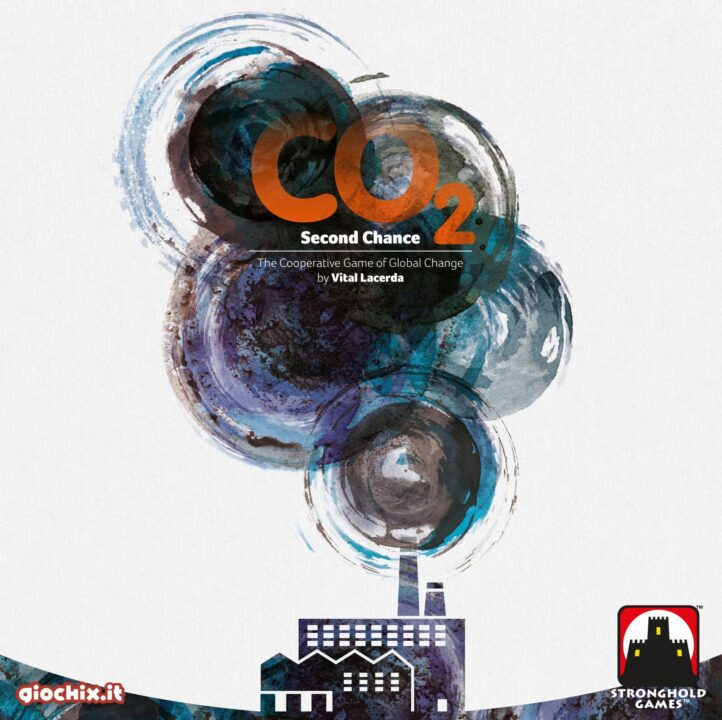
CO₂: Second Chance asks us to work together before climate change turns the planet into a very sad toaster. We fund clean energy, build projects, and try to lower global emissions across five decades. The game gives us plenty of tough choices because every region needs help, but our money, time, and technology never stretch far enough. That stung, but it also made the environmental message land. The rules take effort to learn, yet the deep planning and serious theme reward players who want a real challenge.
13 Daybreak
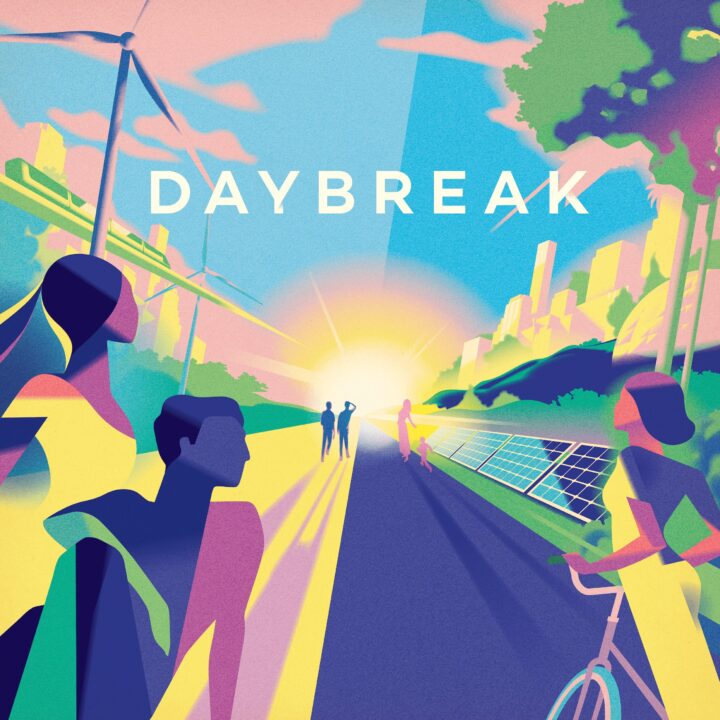
Daybreak turns climate action into a co-operative puzzle where every player controls a different world region. We develop clean energy, protect communities, cut emissions, and deal with disasters caused by a warming planet. Each region feels different, so one player may focus on industry while another helps vulnerable people adapt. The game can feel tense, especially when the crisis cards pile up like unpaid bills. However, the clear systems and hopeful outlook make Daybreak one of the best modern environmental board games for thoughtful groups.
12 Evolution: Climate
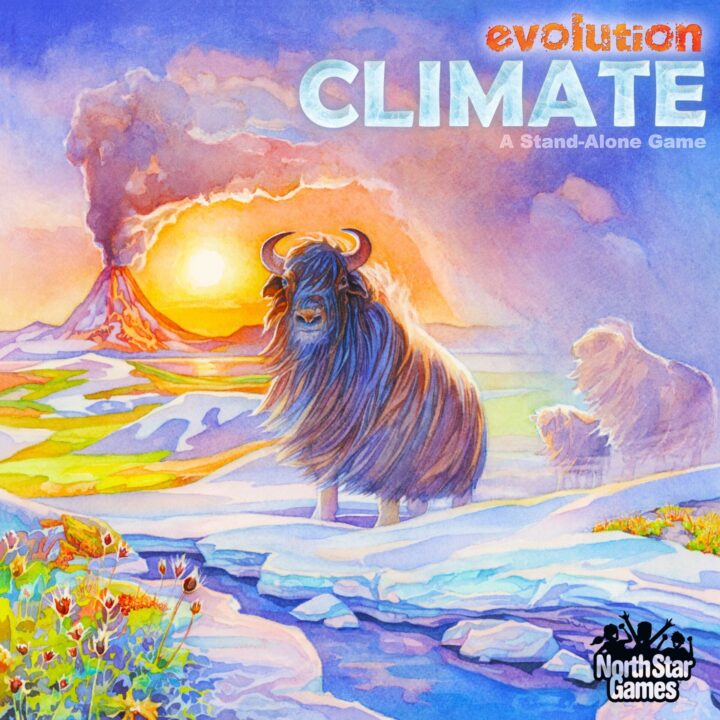
Evolution: Climate lets us create animals, then forces us to consider how a changing climate affects them. We add traits such as horns, camouflage, and swimming, while temperature and food levels shift across the board. Our clever little creatures often looked powerful until another player changed the climate and ruined our dinner plans. We enjoyed the mix of science, bluffing, and competition. The environmental theme works because survival depends on how species respond to pressure, not just on collecting points. Players who dislike direct interaction may grumble, since other players can attack or outcompete their species. We found that tension fun, though.
11 Earth
Earth gives us a huge pile of cards and asks us to grow a working ecosystem from them. We plant flora, build habitats, and connect cards so their abilities trigger in satisfying chains. The environmental theme comes through the focus on natural systems, even though the game mostly rewards clever card combos. That keeps downtime low, which matters when a game contains roughly a small forest worth of cards. Earth suits players who like engine building, quiet planning, and watching nature become cardboard spaghetti.
10 Photosynthesis
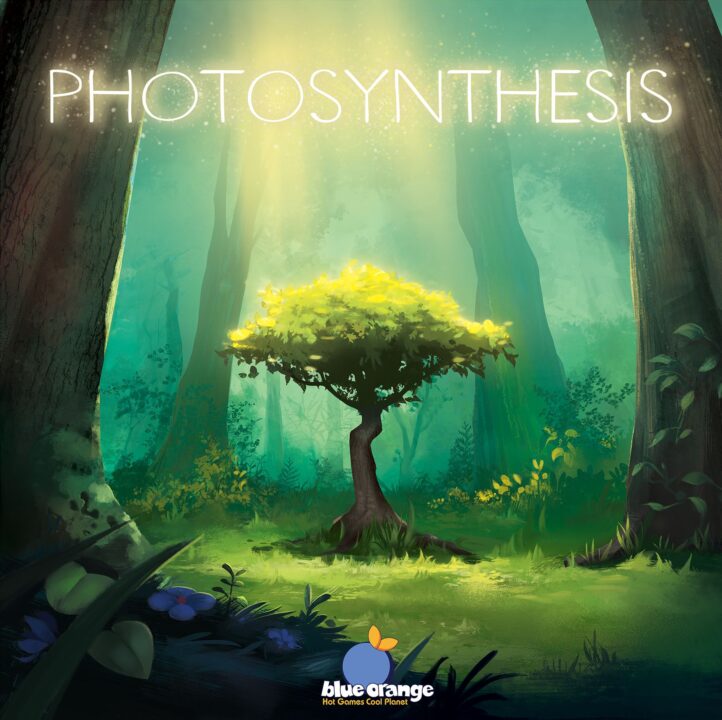
Photosynthesis makes trees the stars, and the sun becomes the most important thing on the table. We plant seeds, grow trees, collect light points, and eventually cut down mature trees for points. The clever part comes from the rotating sun, which changes the shadows and makes tree placement matter. The bright art makes the game inviting for families, while the tight board gives experienced players plenty to think about. Photosynthesis delivers a clean environmental theme without burying players under loads of rules.
9 Planet
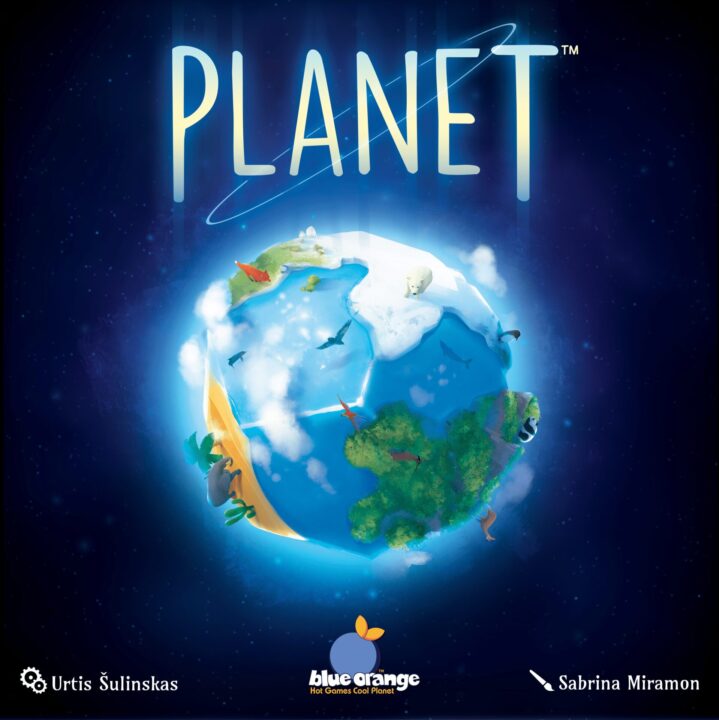
Planet gives each player a chunky dodecahedron and a set of magnetic landscape tiles. We build a living world, then attract animals by creating the habitats they need. Holding a tiny planet in our hands felt wonderfully silly, and we spent half the game turning our worlds around like proud space landlords. The environmental theme stays friendly and simple: animals need the right mix of land, water, and terrain. Planet works well with families and new players because the rules are easy to explain. It lacks the deep strategy of larger games, but it offers a lovely environmental lesson with very tactile play.
8 Cascadia
Cascadia asks us to build habitats and place wildlife across a growing landscape. We draft a habitat tile and an animal token, then try to satisfy different scoring goals for bears, salmon, foxes, and other species. The environmental theme feels calm rather than preachy, and the puzzle rewards balance instead of wild destruction. We liked how each turn gave us a small decision that still mattered later. The game scales well, teaches quickly, and avoids the usual board game problem where one player spends ten minutes explaining the rulebook. Cascadia offers a peaceful environmental experience with enough bite to keep keen players interested.
7 Ecosystem
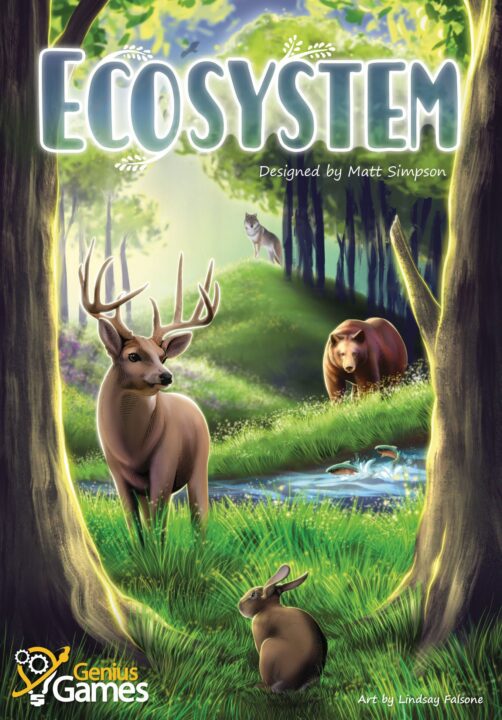
Ecosystem turns card drafting into a lesson about balance. We place forests, rivers, bears, bees, deer, and other parts of a habitat into a personal grid. Each species scores in a different way, so filling the table with one favourite animal usually ends badly. We learned that lesson after building what looked like a bear convention with almost no food. The rules are light, and the game fits nicely into a lunch break. It does not create a huge story, but its environmental theme comes through clearly as players build connected food webs. Ecosystem makes a smart, quick choice for families and beginners.
6 Renature
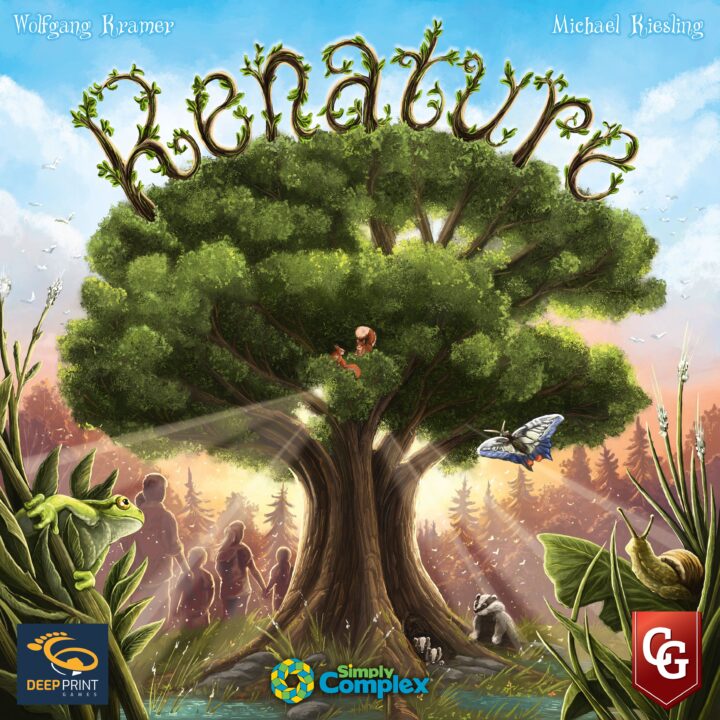
Renature gives us a muddy valley, wooden animals, and a job: restore nature while quietly blocking our rivals. We place dominoes beside animal markers, then grow plants in connected areas to score points. The game looks gentle, but it hides plenty of spite. The environmental theme works through habitat restoration rather than simple resource grabbing. Renature needs a few plays before its scoring clicks, yet those plays reveal a sharp, clever game. It suits players who want nature, tactics, and a little friendly betrayal.
5 Living Forest
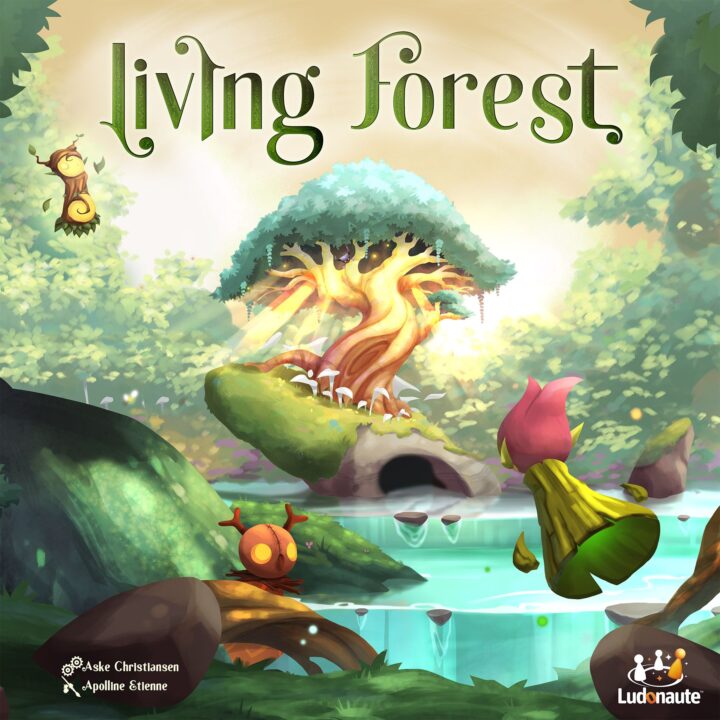
Living Forest casts us as nature spirits defending the forest from Onibi and a rather rude wall of flames. We build an animal deck, move around the forest, plant protective trees, and try to gather flowers or grow enough trees. The push-your-luck system keeps turns lively because drawing too many solitary animals can stop our actions. We enjoyed the race between players, while the shared fire threat kept everyone watching the board. The theme feels more magical than scientific, but the message still supports an environmental goal: protect the forest before fire wins. It plays smoothly and offers plenty of replay value.
4 Bosk
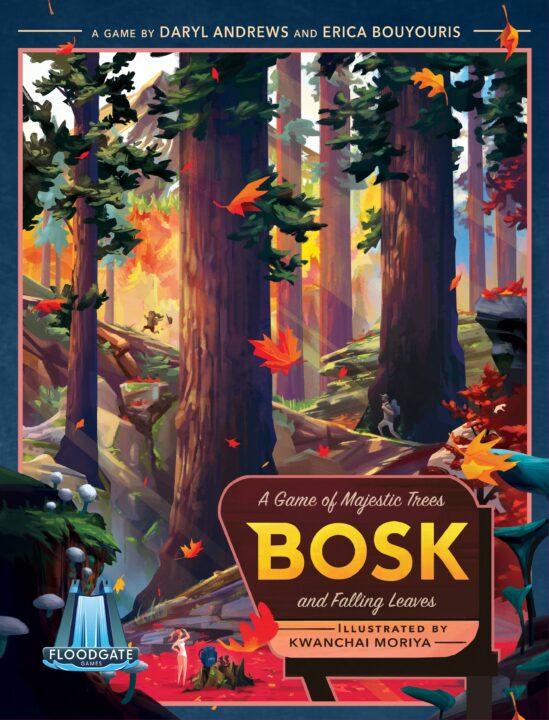
Bosk follows a year in the life of a forest. We plant trees, score regions as the seasons change, and scatter leaves across the board. The game looks peaceful, but placing trees creates a proper little battlefield. We had to think about height, position, wind, and which areas would score later. The leaf phase adds a nice environmental touch, though it also made one friend complain about sweeping the table. Bosk works best for players who enjoy an abstract strategy game with attractive nature art. It does not teach ecology in detail, but it creates a strong sense of forest growth and seasonal change.
3 Ocean Crisis
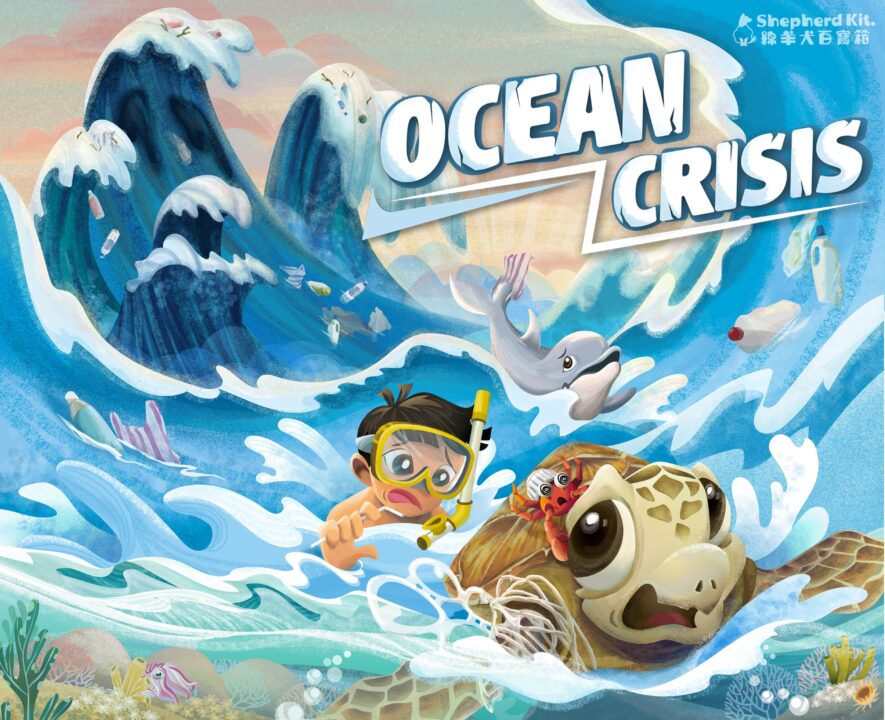
Ocean Crisis puts us on a team trying to save coral reefs from pollution, warming water, and other threats. We move volunteers, clean the sea, restore coral, and protect marine life before the crisis spreads too far. The game can feel hard, and the rulebook asks for careful reading. Still, that pressure fits the environmental theme well. Ocean Crisis suits players who want a serious co-operative challenge about oceans, though families may prefer a lighter game for their first environmental board game.
2 Reef
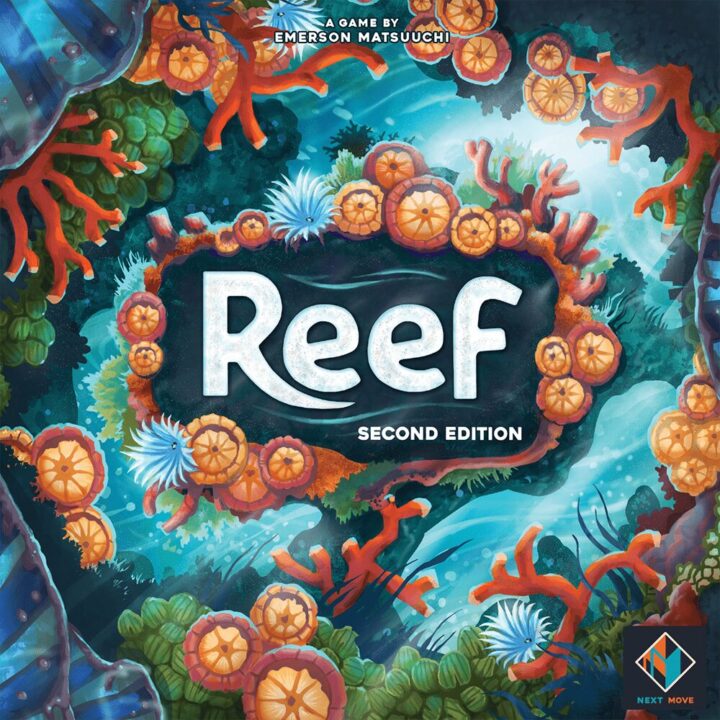
Reef gives us colourful coral pieces and asks us to build a reef in front of us. Each turn lets us play a card, add coral, and score patterns, so the game mixes simple actions with tricky spatial planning. We enjoyed how quickly the reef grew into a bright mess of pieces. The environmental theme stays light, but coral growth and reef shapes give the game a clear natural setting. Reef teaches fast and works well with mixed groups. It lacks the detailed systems of heavier environmental games, yet it offers a smart, attractive puzzle when we want something shorter and less serious.
1 The Great Barrier Reef
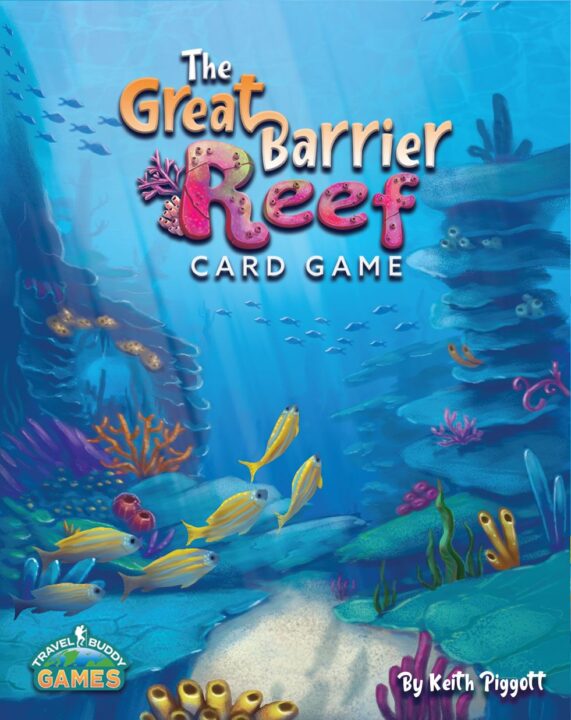
The Great Barrier Reef turns coral growth and marine life into a competitive tile-laying game. We place reef tiles, expand areas, and try to create spaces where sea creatures can thrive. The environmental setting gives the game a clear identity, even when the strategy feels more abstract than a real conservation project. It works best for players who enjoy classic family games and simple area building. The age of the design shows in places, but that also makes it easy to teach. It remains a pleasant environmental choice for casual groups.
0 Cascadia: Landmarks
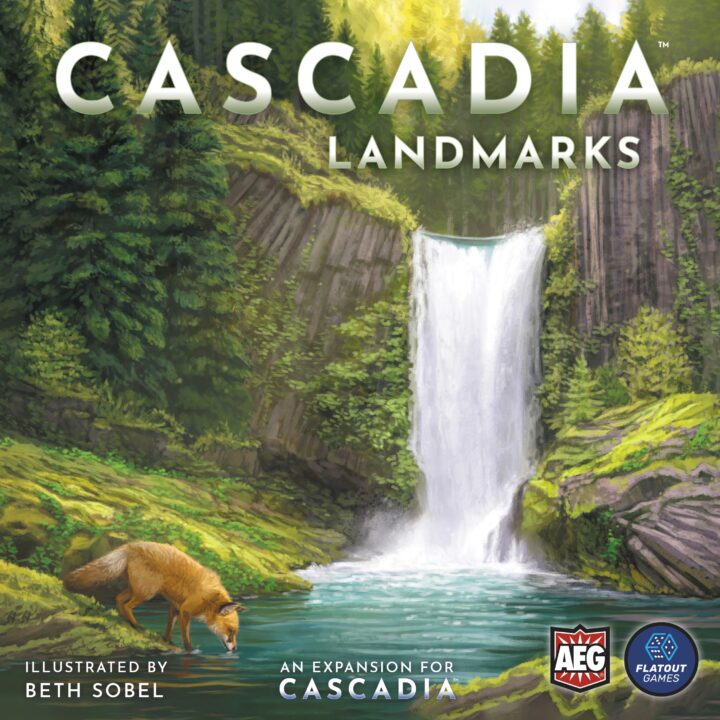
Cascadia: Landmarks adds more land, wildlife goals, and landmark tiles to the excellent base game. We still draft a habitat and animal, but the new landmarks give us fresh ways to shape our landscape. The expansion keeps the environmental theme warm and approachable while adding more variety for players who already know the original. It does not replace the base game, but it gives experienced groups more reasons to return. New players should start with Cascadia before adding these landmarks.
-1 Cascadia
Cascadia earns the top spot because it does nearly everything right for new environmental board game players. We build habitats, place wildlife, and solve a fresh puzzle every game without wrestling with a giant rulebook. The theme feels clear, positive, and easy to understand, while the scoring goals give experienced players plenty to chew on. The game also works well at two, three, four, or solo. We chose Cascadia as the best environmental game because it welcomes beginners, rewards smart play, and makes nature feel fun rather than gloomy.