Best Religious Board Games in 2026: 5 Honest Reviews
Explore the best religious board games for faith-filled fun, thoughtful strategy, rich stories, and memorable nights with friends and family.
Finding the best religious board games takes more than spotting a few gods on the box. We look for games that make faith, myth, and sacred history part of the play, rather than using them as cheap wallpaper. Our picks balance strong themes with fun choices, clear rules, good replay value, and enough depth to keep experienced players happy. We also consider player count, play time, and how well each game welcomes newcomers. Some offer grand strategy, while others tell a darker tale with sharp elbows and questionable morals.
Compare a few picks
| Game | Players | Play time | Age | Where to buy |
|---|---|---|---|---|
| Ankh: Gods of Egypt | 2-5 | 90 minutes | 14+ | Check on Amazon ↗ |
| The Oracle of Delphi | 2-4 | 60-90 minutes | 12+ | Check on Amazon ↗ |
| Teotihuacan: City of Gods | 1-4 | 90-120 minutes | 14+ | Check on Amazon ↗ |
On this list:
5 Ankh: Gods of Egypt
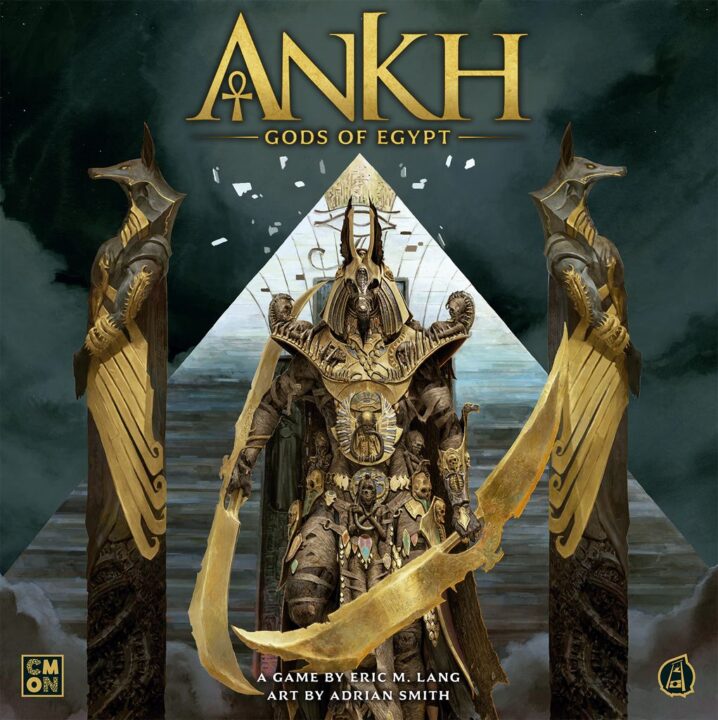
Ankh gives religious theme fans a huge Egyptian playground filled with gods, priests, monuments, and monsters. Each player controls an Egyptian god and gathers followers while trying to keep their faith alive. The merging rule creates a wild twist: weaker gods may combine, leaving one player in control of a strange super-god. The miniatures look great, and the game feels grand without drowning us in rules. Combat stays sharp, though players who dislike direct attacks may grumble like a forgotten pharaoh. We think Ankh works best for groups who want a dramatic religious game with strong tactics and a bit of friendly backstabbing.
4 The Oracle of Delphi
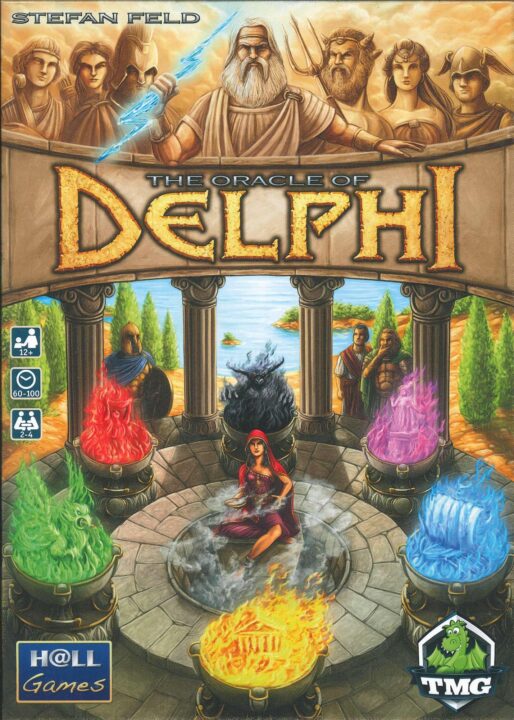
The Oracle of Delphi sends players across ancient Greece while they complete tasks for Zeus. This religious theme feels lighter than Ankh, but the game still gives us temples, gods, statues, and divine errands. We enjoyed the clever movement system, which uses colored dice to decide where we can travel and what actions we can take. That system makes every turn feel like a small puzzle, and it often ruins our grand plans in a funny way. Players gather resources, defeat monsters, and build offerings while racing to finish Zeus’s demands. The game includes plenty of choices without becoming a rulebook monster. We recommend it for new players who enjoy Greek mythology, planning, and a religious setting without heavy combat or long speeches from imaginary gods.
3 Teotihuacan: City of Gods
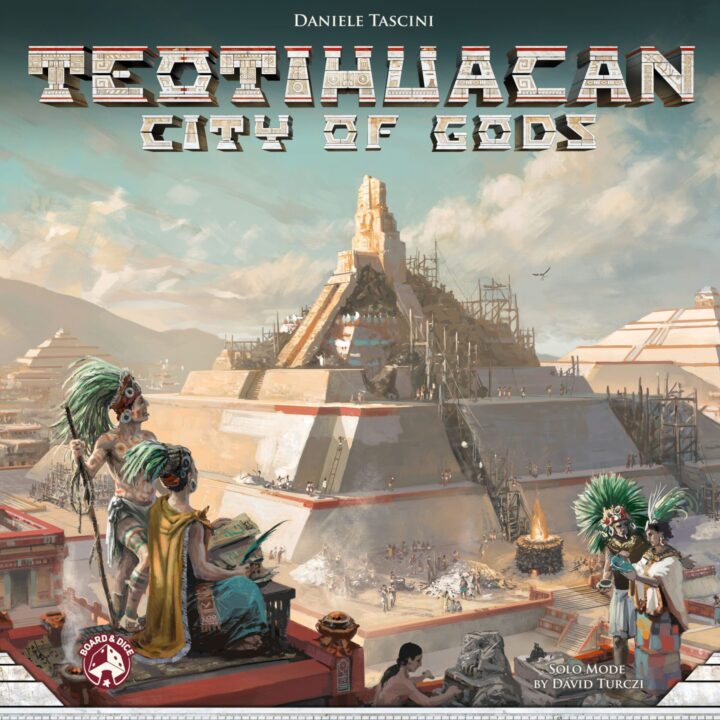
Teotihuacan: City of Gods offers a rich religious setting based on the ancient city near modern Mexico City. We guide workers around the board, gather resources, build the great pyramid, and improve our knowledge of noble families and rituals. The worker system makes every action grow stronger over time, so a tiny worker can become a mighty specialist. That sums up the game nicely: thoughtful, tense, and slightly brain-burning. The religious theme supports the setting instead of taking over the game. New players may need one full round before everything clicks, but the clear goals make the effort worthwhile.
2 The Pillars of the Earth
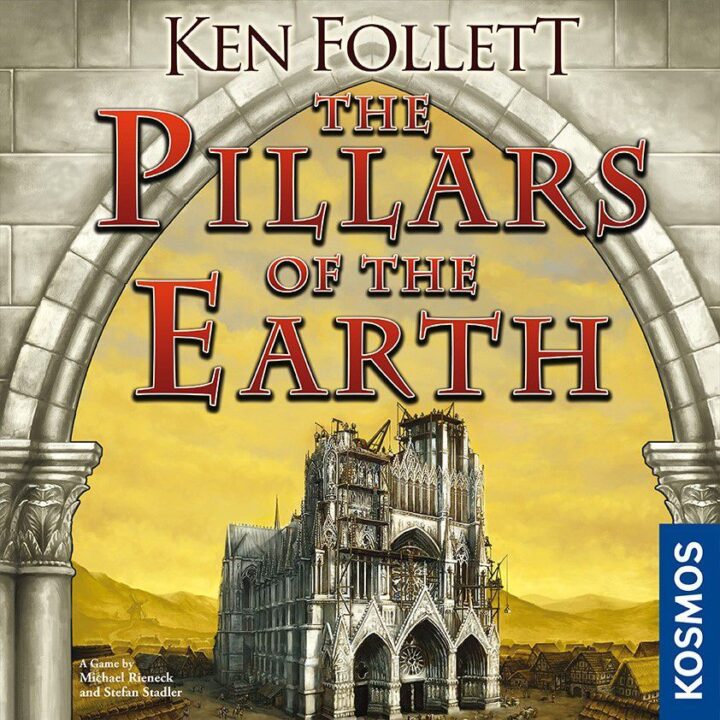
The Pillars of the Earth turns Ken Follett’s medieval cathedral story into a smart worker-placement game. Players gather wood, stone, and other goods while helping build a grand church in Kingsbridge. The religious theme feels natural because the cathedral drives the whole story, rather than sitting on the box as decoration. We liked how each round creates tough choices: send a worker for resources, hire a useful craftsman, or chase victory points somewhere else. The random turn order adds tension, especially when another player grabs the spot we wanted. The game has more warmth and story than many strategy titles, yet it remains easy to teach. We recommend it for players who want medieval religion, building, and competition without a pile of plastic miniatures.