
15 Best Economic Board Games of 2026 Reviewed
Find the best economic board games for clever deals, bold plans, and just enough table drama to keep everyone laughing.

Great economic board games turn coins, shares, land, and clever plans into table-wide drama. We picked these 15 games after many sessions with friends, plenty of risky deals, and more than one budget disaster. Our list focuses on how well each game handles money, trade, growth, player choice, and that sweet moment when a smart plan finally pays off. We also considered how easy each game is to learn, how much fun it creates, and whether players stay involved until the end. Some titles feel friendly and fast, while others demand sharp minds and strong nerves. Grab your calculator, then let’s get rich—or wonderfully broke.
Compare a few picks
| Game | Players | Play time | Age | Where to buy |
|---|---|---|---|---|
| Monopoly | 2–8 | 60–180 minutes | 8+ | Check on Amazon ↗ |
| The Estates | 2–5 | 60 minutes | 10+ | Check on Amazon ↗ |
| Modern Art | 3–5 | 45 minutes | 10+ | Check on Amazon ↗ |
On this list:
- Monopoly Shop on Amazon ↗
- The Estates Shop on Amazon ↗
- Modern Art Shop on Amazon ↗
- Stockpile Shop on Amazon ↗
- Acquire Shop on Amazon ↗
- Chicago Express Shop on Amazon ↗
- Power Grid Shop on Amazon ↗
- The Gallerist Shop on Amazon ↗
- Container Shop on Amazon ↗
- Food Chain Magnate Shop on Amazon ↗
- Indonesia Shop on Amazon ↗
- The Great Zimbabwe Shop on Amazon ↗
- Brass: Lancashire Shop on Amazon ↗
- Age of Steam Shop on Amazon ↗
- 1830: Railways & Robber Barons Shop on Amazon ↗
- Brass: Birmingham Shop on Amazon ↗
15 Monopoly
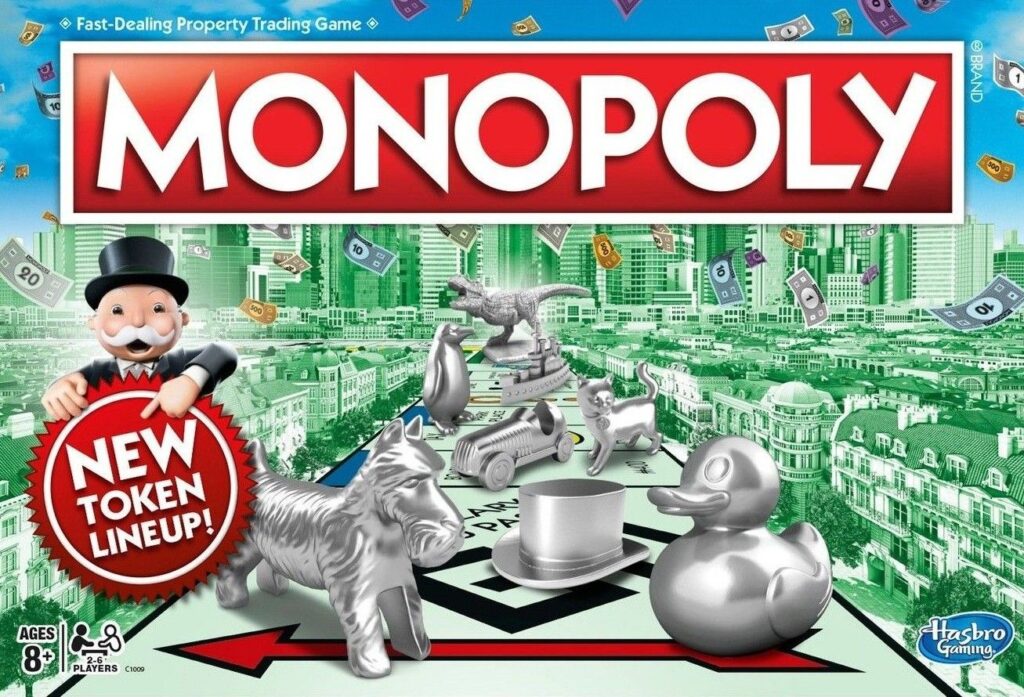
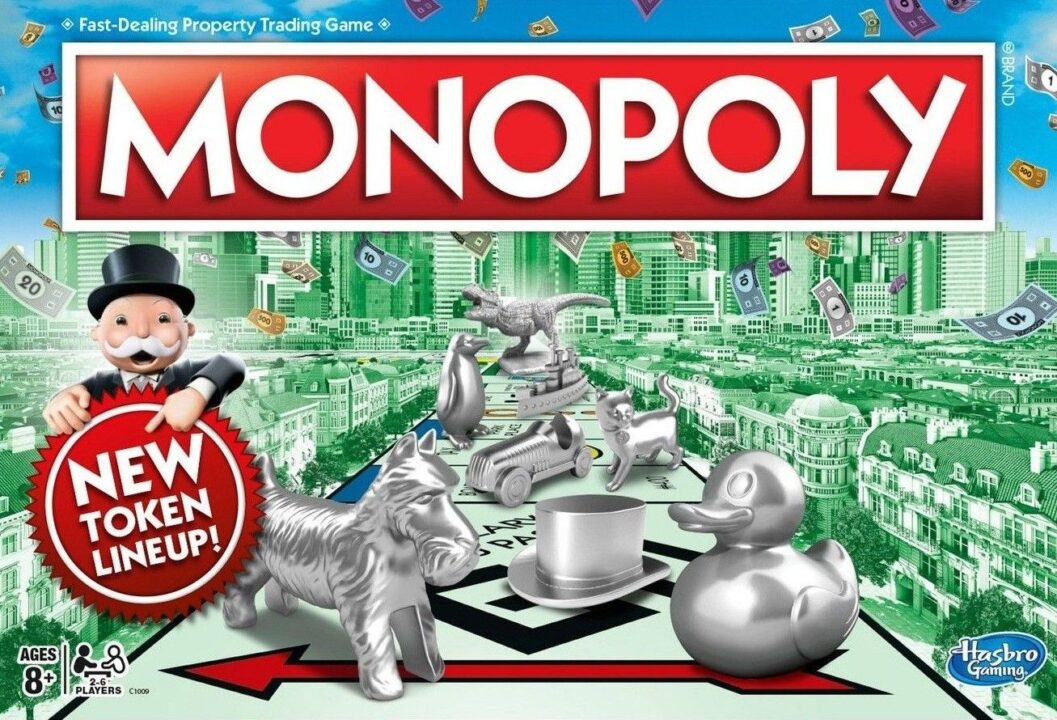
Monopoly remains the gateway game for economic play, even if its property deals can turn family night into a tiny real-estate war. We buy streets, charge rent, trade sets, and try not to land on expensive hotels. Luck drives much of the game, so clever plans sometimes disappear under a badly timed dice roll. Still, new players understand the goal within minutes, and trading gives everyone a taste of negotiation. The game can run too long, but house rules help. It earns a place here because it presents basic economic ideas in the simplest possible package.
14 The Estates
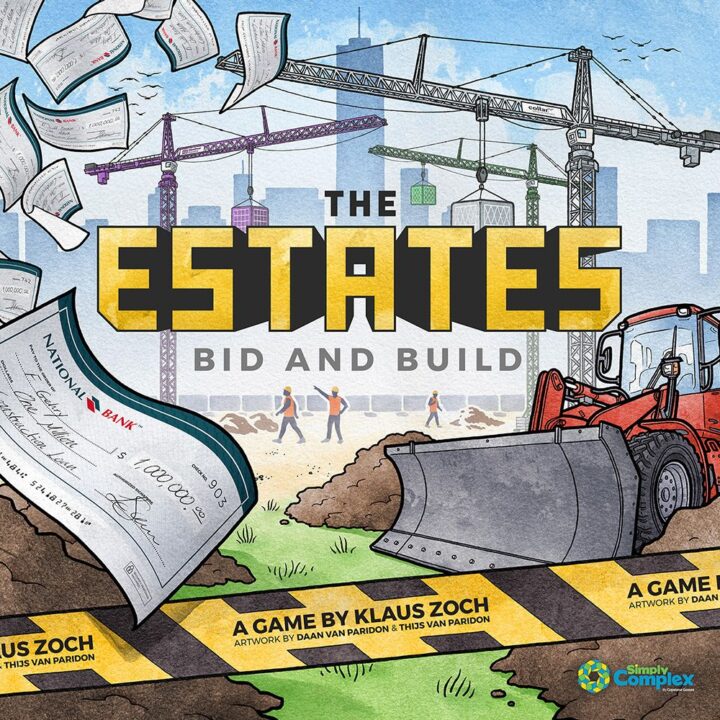
The Estates turns city building into a sharp economic knife fight. Players bid on building pieces, place them in rows, and hope their projects finish before other players wreck the plan. Money moves fast, and every auction forces a tough choice. We have watched a quiet player build a winning district while everyone else fought over flashy towers. The game looks friendly, but it happily rewards spite. You can raise prices, block useful spaces, and leave an opponent with a half-built mess. The rules stay simple, yet the decisions feel rich. New players may need one round to understand the scoring, but after that, the table usually gets loud. This is excellent for groups that enjoy auctions, timing, and clever economic troublemaking.
13 Modern Art
Modern Art gives us five auction systems and a pile of paintings that may be worth a fortune or almost nothing. Players act as buyers, sellers, and market manipulators during each round. We must judge what others want, then decide when to spend our cash. The best move often involves selling a painting we love before its value collapses. The game stays brisk, teaches economic thinking through simple actions, and creates plenty of table talk. It works especially well with four or five players, when the market feels busy. New players can learn it quickly, although reading the table takes practice.
12 Stockpile
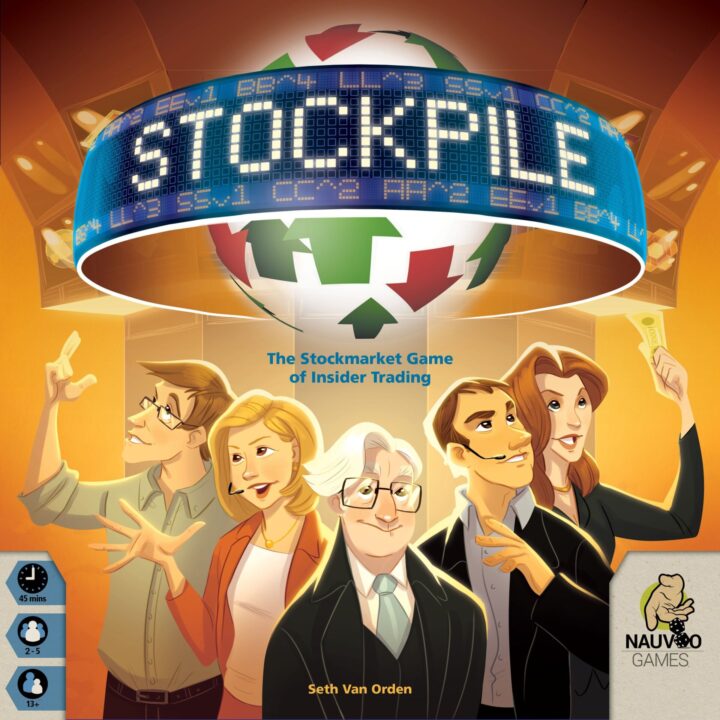
Stockpile makes stock trading fast, messy, and wonderfully unfair. Each round, we place information and shares face down, then players take turns choosing piles. That means everyone sees different clues, but nobody knows the whole truth. We buy stocks, react to market changes, and gamble on secret information. The game teaches supply, demand, speculation, and risk without burying us in charts. It also avoids the long slog that hurts many economic games. Luck matters, but smart timing and reading opponents matter more. Stockpile works well for newer players because the rules stay light while the choices remain tense.
11 Acquire

Acquire gives us hotel chains, share certificates, and enough money talk to make breakfast feel like a board meeting. Players place tiles to grow companies, buy shares, and collect payouts when chains merge. The clever part comes from timing. We want a company to grow, but we may also want to trigger a merger before another player gains too much power. Our games often include quiet tile counting, sudden deal offers, and one person staring at the board like it owes them rent. The rules feel old-fashioned, but the economic choices still work beautifully. Acquire rewards planning without demanding hours of study. New players can grasp the basic turn quickly, then improve as they learn when to invest and when to cash out.
10 Chicago Express
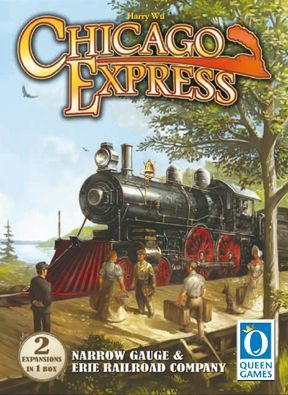
Chicago Express builds a railroad network through auctions, shares, and ruthless route choices. Players do not control one company forever. Instead, we invest in railroads, influence their actions, and watch their value change as the map develops. Every auction matters because spending too much can leave us rich in shares but poor in useful cash. We have seen players fund a line across half the map, only to discover that another railroad gained the better towns. The game keeps its rules clean, but it creates strong economic pressure. New players may find the shared control strange at first, yet that system creates the fun. Chicago Express suits groups who enjoy maps, ownership, and making money while helping rivals by accident.
9 Power Grid
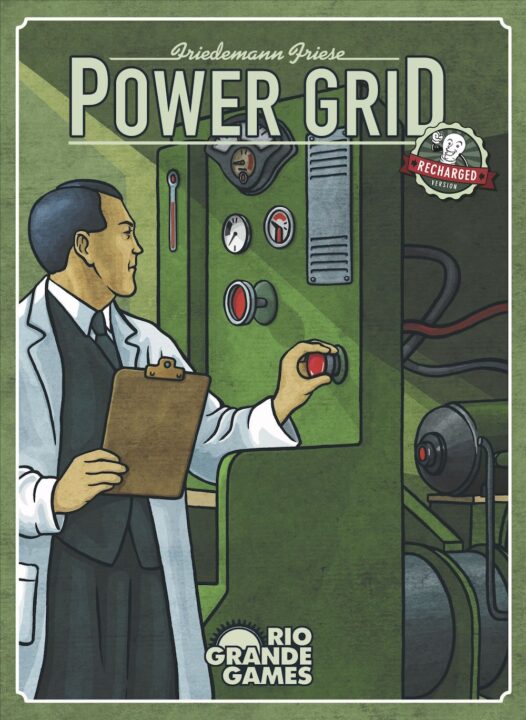
Power Grid asks us to build a power company while fighting everyone else for plants, fuel, cities, and cash. The clever market system keeps the leader from running away too easily. If we buy the best plant, we may push prices up for everyone. If we expand too soon, we can run out of money when the fuel bill arrives. The game rewards planning, but it also forces us to watch opponents closely. It offers a strong economic theme without needing mountains of rules. New players should expect a learning game, yet the payoff feels excellent after the first few rounds.
8 The Gallerist

The Gallerist makes us run an art gallery, find artists, sell work, and build our reputation. The economic system links almost every action. We can discover an artist, raise that artist’s value, then sell a painting for a tidy profit. Each action also affects the market, so our success can improve another player’s position. We like how the game makes money feel connected to fame, visitors, and timing rather than simple coin collecting. The artwork and chunky components help, although the rules can scare new players at first. The Gallerist suits experienced groups who want an economic game with a strong theme and many paths to victory.
7 Container
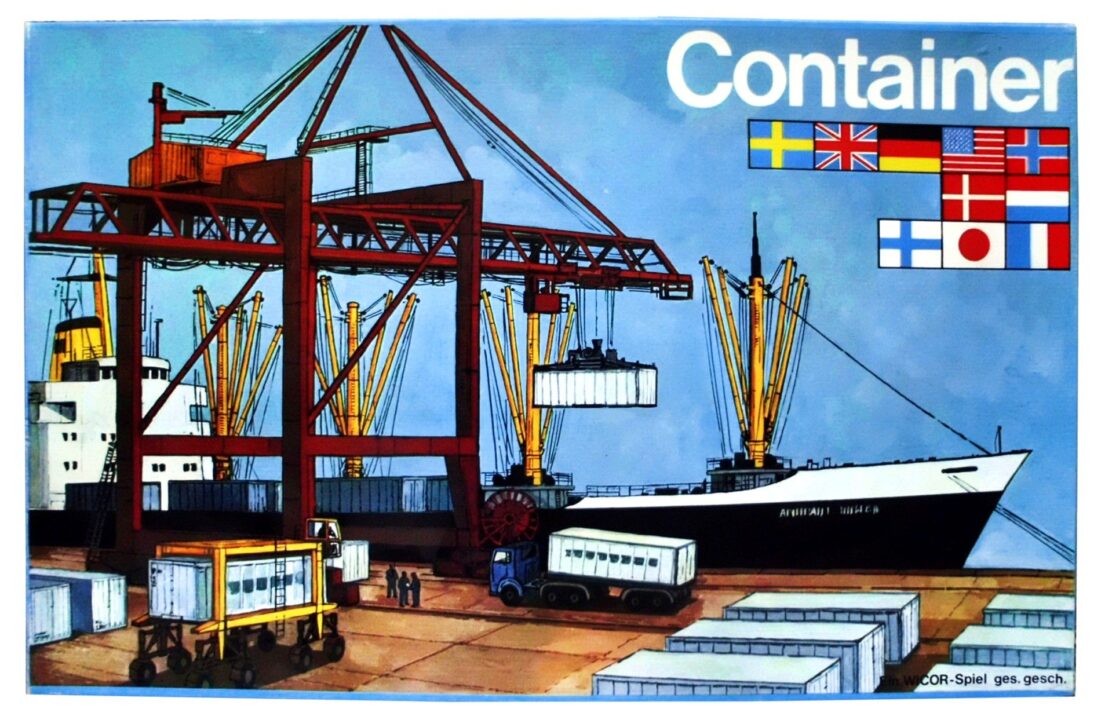
Container strips the economic game down to shipping goods, setting prices, and hoping someone buys your stuff. Players produce cargo, sell it to other players, move it by ship, and auction containers at the end. The market comes from the players, not a scripted deck, so prices can become wonderfully silly. We have watched one friend flood the port with cheap goods while another hoarded cash for one huge auction. The game rewards supply control, negotiation, and knowing when to stop producing. It can feel dry to newcomers because the theme stays fairly abstract, but the economic tension remains strong. Container works best with a group that enjoys auctions and does not mind making money through polite, cardboard-backed manipulation.
6 Food Chain Magnate
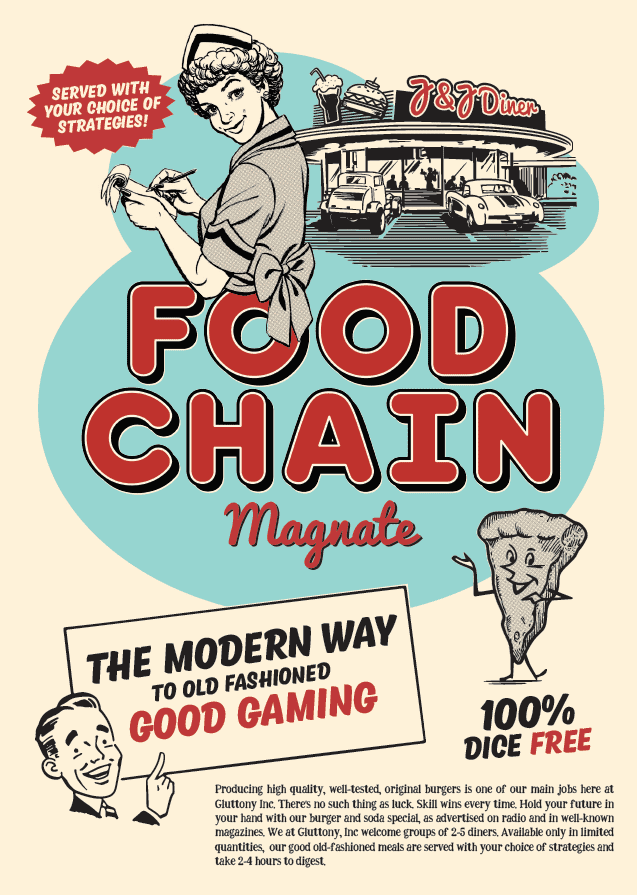
Food Chain Magnate turns fast food into a brutal economic contest where every burger, billboard, and manager matters. We hire staff, train them, advertise products, and build restaurants that compete for hungry customers. The game gives us huge freedom, which also means it can punish a bad opening plan for two full hours. The player-driven market feels sharp and believable, while the menu of employee powers creates wild strategies. New players should expect a tough first game and a fair bit of reading. For experienced groups, this remains one of the deepest economic games available.
5 Indonesia

Indonesia gives us islands, shipping companies, factories, mergers, and a map that keeps changing under our plans. We build businesses, move goods, and compete for control of valuable routes. The merger system creates huge economic swings. A company that looks small early can suddenly become the key to a massive payout. Indonesia rewards long-term planning, but it also asks us to react to rivals and geography. The rules take time to learn, and the game needs a large table. New players may feel lost at first, yet patient groups will find a rich economic game with strong interaction and memorable deals.
4 The Great Zimbabwe

The Great Zimbabwe asks us to build monuments, gain powers, and manage a tight supply of resources. Every special ability comes with a cost, so taking a strong power can make the victory target harder to reach. We must place monuments near goods, plan transport routes, and judge which actions help rivals too much. The game has a striking theme and a map that stays easy to read. It does not offer much luck, so poor planning has nowhere to hide. New players may need help during setup, but the rules become clear quickly. This is a smart choice for players who want tense, thoughtful economic strategy.
3 Brass: Lancashire

Brass: Lancashire makes us build canals, railways, cotton mills, and industries during the Industrial Revolution. We borrow money, develop technology, sell goods, and try to use the network before someone else takes the best routes. The board slowly fills with opportunities, then suddenly feels crowded. The loan system adds real economic pressure because borrowing helps now but hurts later. The game can confuse new players, especially when selling goods crosses several rules. Once it clicks, the choices feel rewarding and sharp. Brass: Lancashire suits players who want a heavier economic game with strong timing and shared infrastructure.
2 Age of Steam

Age of Steam turns railway building into a painful contest over routes, loans, goods, and delivery fees. We bid for turn order, build track, ship cubes, and borrow money when our dreams grow larger than our wallets. The map creates constant pressure because one useful link can make or break a company. We have made the classic mistake of building an impressive railway that earns almost no income. The game rewards sharp planning and punishes waste, but every decision feels meaningful. New players should expect a rough first game and a few rules questions. After that, Age of Steam delivers a strong economic challenge with little luck and lots of tense map interaction.
1 1830: Railways & Robber Barons
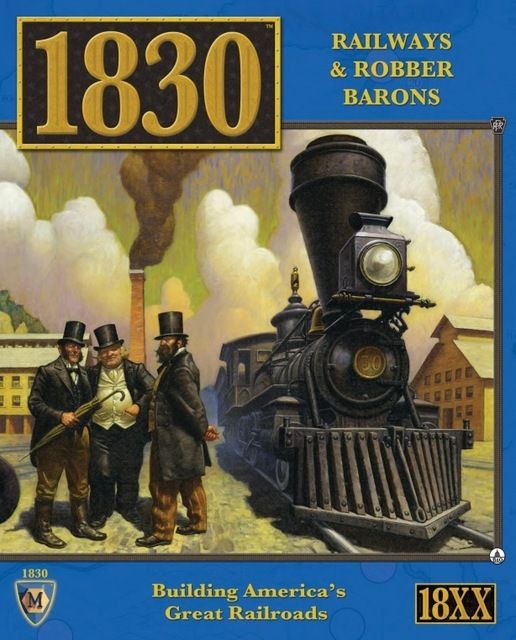
1830 is a famous railway stock game where private companies, public corporations, share prices, and ruthless timing all matter. We buy shares, run companies, build track, set train routes, and decide when to pay dividends. The operating player can make money for everyone, but also push a company toward ruin. The game offers a deep economic system with almost no mercy for careless play. New players should learn with patient veterans because the rules and strategy take time. It also runs long, but the drama makes the hours count. Choose 1830 when you want serious market play and sharp negotiation.
0 Brass: Birmingham
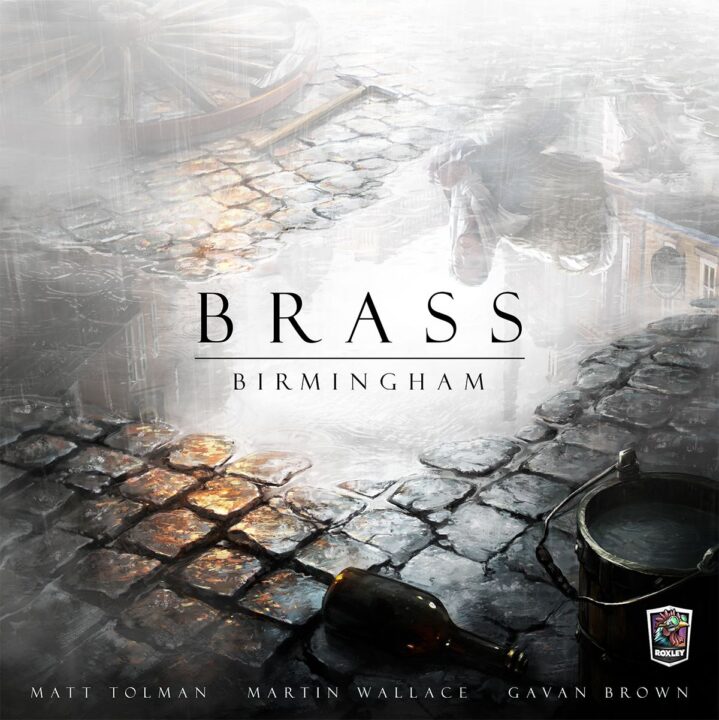
Brass: Birmingham is our top economic board game because it turns industry, loans, markets, and shared networks into one smooth, tense system. We build breweries, coal mines, iron works, pottery, and factories, then connect them to cities that need our goods. The two-era structure lets us recover from a weak start, but poor timing still costs dearly. Our games produce constant table talk as players chase the same links and quietly steal the best sales. The rules need care, especially for new players, yet the game rewards smart choices rather than lucky rolls. It looks complex, but each action stays clear once the flow clicks. We choose it as the best because it offers depth, interaction, strong theme, and replay value without losing its economic heart.