14 Best Teaching Games for 2025: Top Reviewed Picks
Looking for teaching games? We rounded up the best board games that help new players learn while having a ton of fun together.

14 Best Teaching Games: Simple Board Games for Learning and Laughs
Everyone loves a good teaching game, but not all of them hit the mark. When we pick board games for this list, we focus on easy rules, quick setup, and how much you actually learn while playing. We also look at how much fun everyone has—because no one wants to snooze through a game night! From crazy tile-laying to word guessing, these teaching games cover all sorts of skills. Whether you’re showing the ropes to new players or helping the family learn something new, these games have passed our test for awesome teaching moments.
On this list:
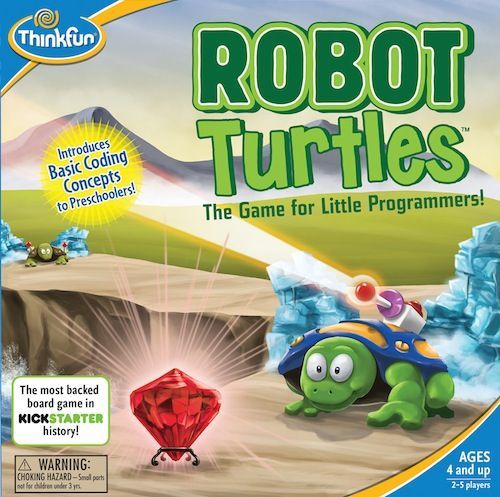
14 Robot Turtles
Robot Turtles has been our go-to teaching game when we want to trick kids into learning programming basics. It’s silly, it’s colorful, and you don’t have to be a rocket scientist to play. We once watched a 5-year-old yell ‘Forward!’ at a plastic turtle with more conviction than most politicians. The game sneaks concepts in without anyone noticing, and even adults find themselves overthinking their turtle-moves. Great for family teaching games night, but don’t be surprised if the kids end up teaching you.
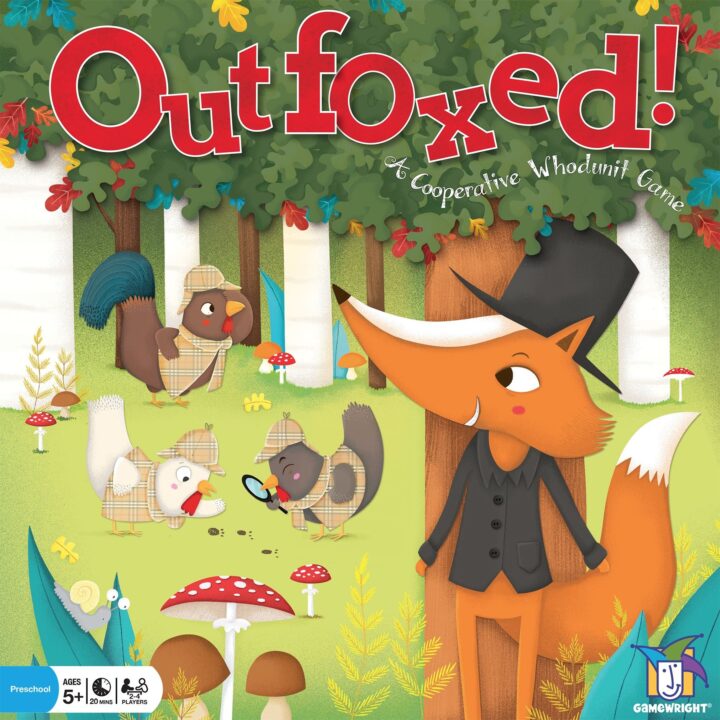
13 Outfoxed!
We played Outfoxed! with our nieces, and by the end, they were accusing each other of fox-like behavior at the dinner table. It’s a charming co-op game where you all work together to catch a sneaky thief. It secretly teaches deduction and teamwork—without ever feeling like a math worksheet. The visual clues keep young minds busy, and adults can help or just enjoy the chaos. It’s a teaching game that always ends in giggles and accusations of fox-involvement. Perfect for a family that giggles together.
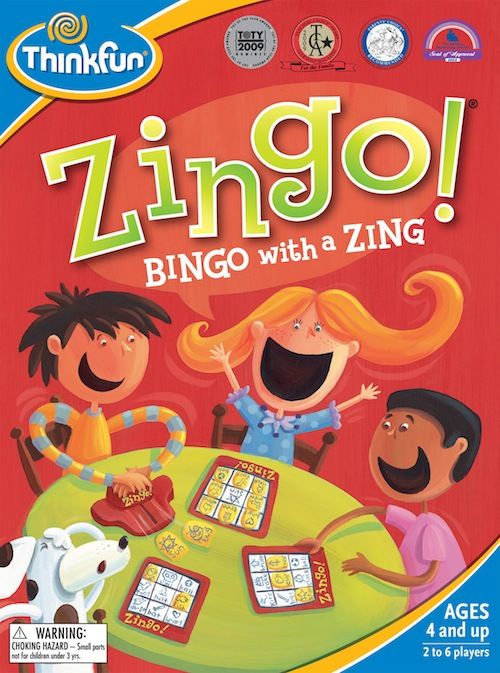
12 Zingo!
Zingo! is basically bingo that went to college for a semester. We usually break this out when teaching games to absolute beginners, especially kids. It teaches matching and quick thinking, but mostly it just makes everyone shout weird words like ‘Zingo!’ at the top of their lungs. It’s super easy to learn, and has enough action to keep even the most easily distracted players in their seats. We still get requests from friends’ kids to bring it over, so you know it’s a hit.
11 Ticket to Ride: First Journey

We love Ticket to Ride, but First Journey is the perfect teaching game for younger players. It strips down the classic train adventure to its basics, making it super easy to teach. We once watched a 7-year-old smugly claim a cross-country route and realized we might have created a train tycoon. The bright colors and quick turns kept everyone engaged. It’s a great way for new players to grab the basics before jumping into the full game.
10 Rhino Hero
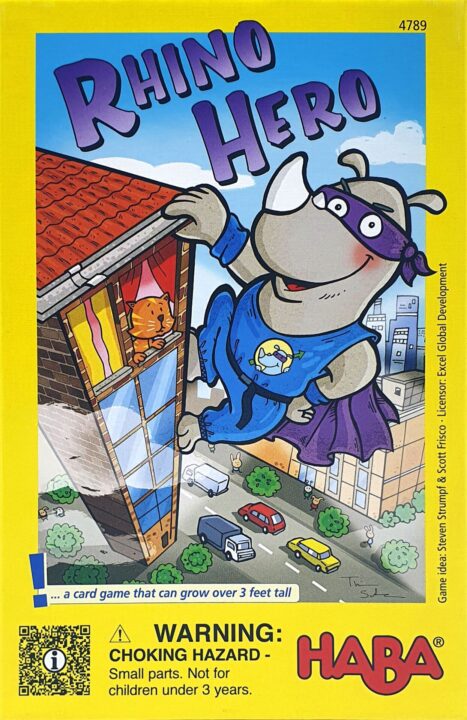
Rhino Hero is our guilty pleasure. It’s half Jenga, half superhero comic, and all fun. We’ve pulled this out at parties, and suddenly everyone is pretending to be structural engineers. The best thing? It teaches patience, fine motor skills, and basic physics—while a cardboard rhino climbs a wobbly tower. The chaos and laughter make it perfect for teaching games with younger or mixed-age groups, and there’s always a little suspense as that tower leans just a bit too far.
9 Dixit
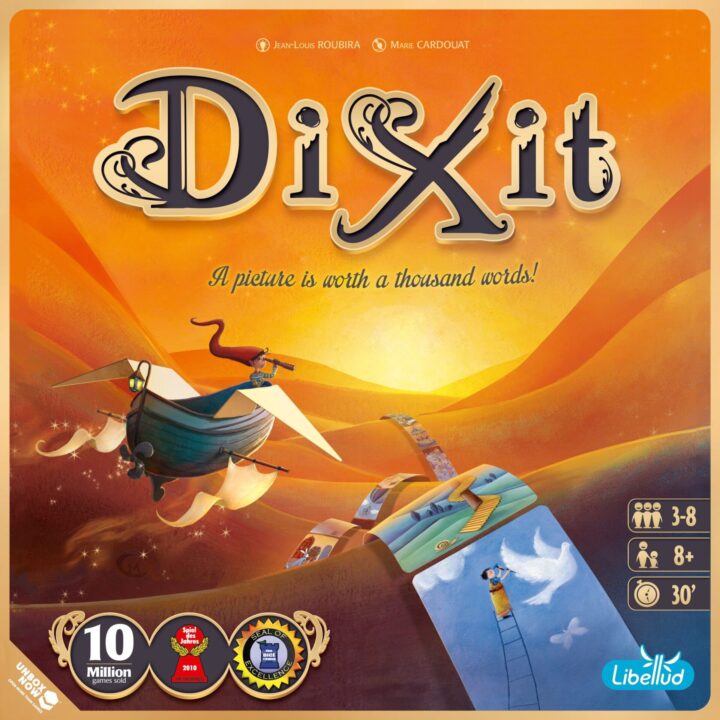
Dixit is a masterpiece in our teaching games toolbox for creativity. The dreamy cards spark imagination and storytelling, and we’ve never seen two groups play it the same way. Even our shyest friends end up making the wildest connections between the art and their clues. It’s a great way to ease new players into board games, because there’s really no wrong answer—unless your clue references a movie nobody has seen. Bonus: you learn a lot about how your friends think.
8 Dragonwood
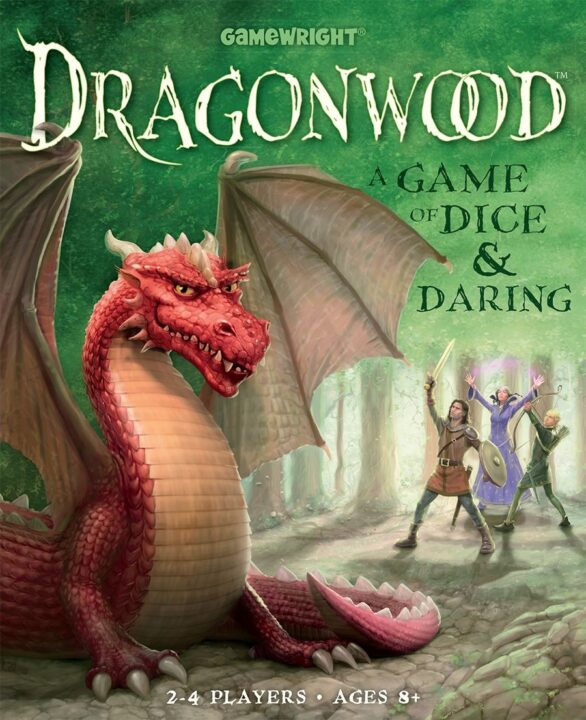
Dragonwood is secretly a math lesson disguised as a monster-hunting adventure. We’ve taught it to kids, and suddenly they’re calculating odds and weighing risks like little Vegas hotshots. Collect cards, push your luck, and take on dragons—it’s teaching games at its finest. It plays quick and has just enough luck to keep things interesting, but there’s also enough strategy to make kids (and adults) flex their brains. Plus, who doesn’t want to scream ‘Fireball!’ when rolling dice?
7 Kingdomino
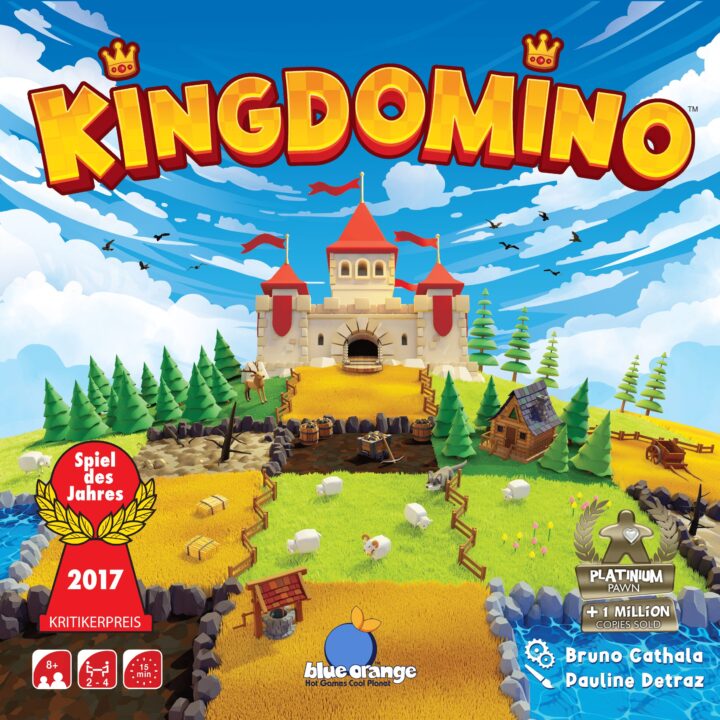
Kingdomino is simple to learn and sneaks tile-laying strategy into its cute kingdom-building theme. We never thought we’d spend so much time arguing about where to put wheat fields. It’s a perfect teaching game for introducing new players to the world of strategy games, and the quick playtime means nobody gets bored (or falls asleep on their castle). It scales well for kids, adults, or mixed groups, and you always finish with a sense of pride in your tiny patchwork empire.
6 Carcassonne

Carcassonne is the classic tile-placing game that finally helped our group understand the appeal of medieval city planning. Out of all our teaching games, this one starts a lot of friendly rivalry. It’s easy to pick up, but still gives a taste of ‘real’ board game strategy. It’s a great bridge to more advanced games, and the modular nature means no two games are the same. If you’ve never built a city with friends only to have them steal your points, you’re missing out.
5 Azul
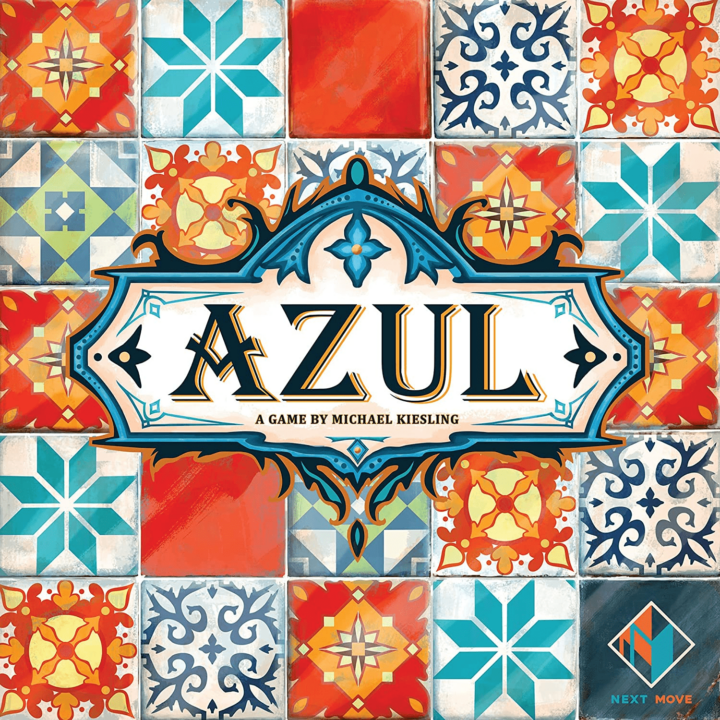
Azul is a treat for the eyes and the brain. Every time we introduce it at game night, it looks like everyone’s making stained glass windows, which is way cooler than it sounds. It’s a teaching game that brings pattern recognition front and center, but it’s also just plain relaxing—until someone steals the tile you wanted, then all bets are off. It’s easy to teach, but has enough hidden depth to keep groups coming back.
4 Sushi Go!
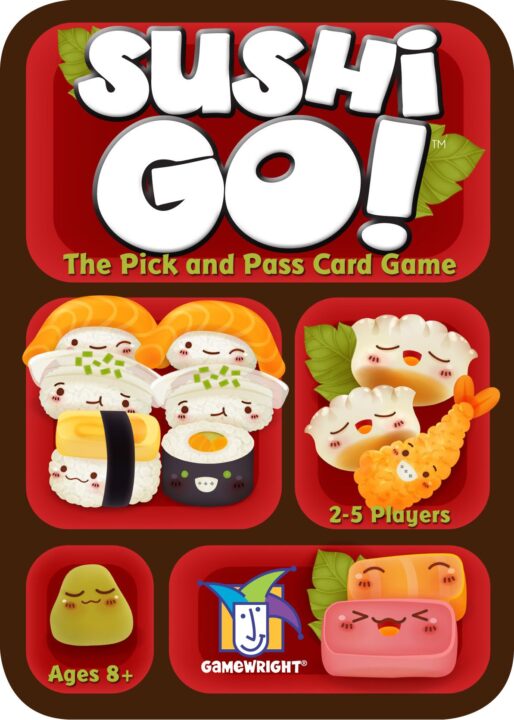
Sushi Go! is the fastest way we’ve taught new players how drafting works. Who knew picking sushi could be so tense? It’s simple, cute, and rewards quick thinking. We’ve used it as a warm-up for more complex teaching games, and half the group just wants to keep playing. It’s a great pick for all ages, and you’ll be surprised how many adults suddenly care a lot about pudding.
3 Concept
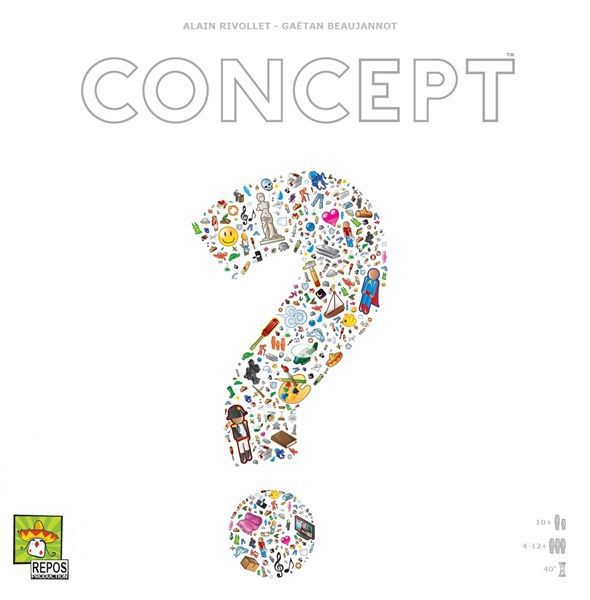
Concept is like charades with way less acting and way more wild guessing. We use it as our ‘icebreaker’ teaching game for new groups. Everyone gets involved, and you’re forced to think outside the box. It’s a fantastic way to teach deduction, communication, and how to laugh at yourself. Our group now uses the little question mark pieces for everything from party snacks labeling to passive-aggressive notes. Simple to set up, but always unpredictable.
2 Codenames
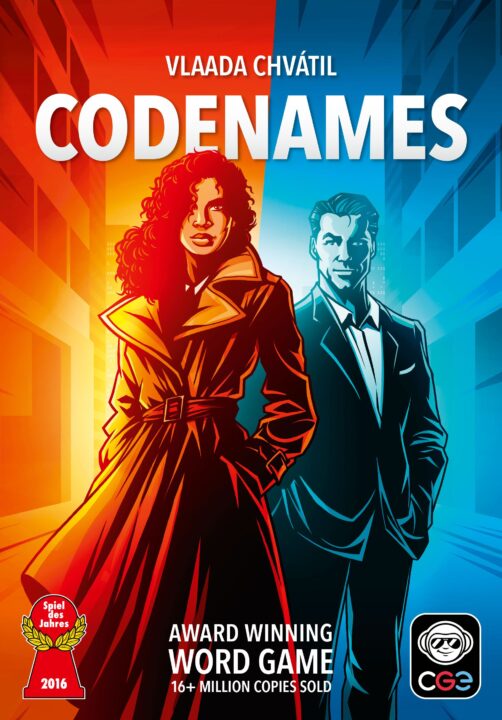
Codenames has worked wonders at our events for groups of all sizes. It sneaks a vocabulary lesson and deduction into a party game format, and somehow always results in at least one ‘inside joke’ per round. Teaching games don’t always have to feel like ‘school’—and Codenames proves it’s possible to get everyone thinking without a single worksheet. Plus, it scales up to big crowds, so nobody gets left out of the mind-bending clue fun.
1 Pandemic
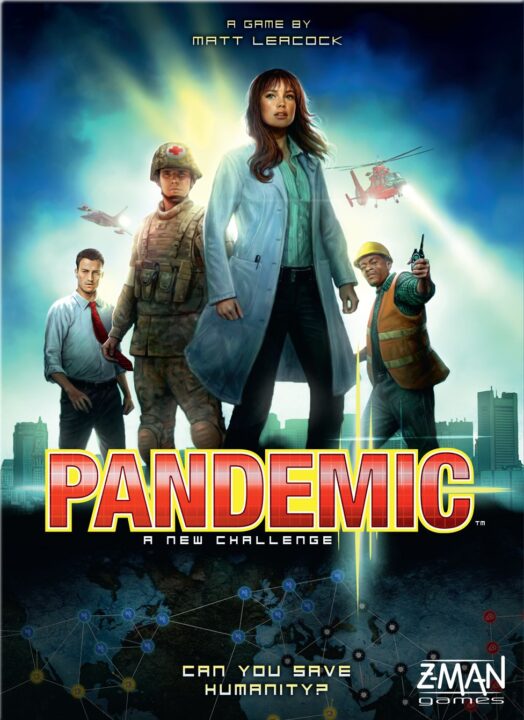
Pandemic takes home the crown for best teaching game because it does what few others can: it gets everyone working together, talking, and planning as a team. We’ve used it to teach new gamers the ins and outs of cooperation, strategy, and how to lose graciously. It’s not ‘school,’ it’s exciting and tense, and every win (or dramatic loss) means you learn to play better next time. Pandemic’s unique ability to unite players against the board makes it the best teaching game for both newbies and seasoned pros. Plus, if you can handle a global crisis together, you can handle anything.