
12 Best Large Group Games for 2026: Honest Reviews
We tested 12 large group games with friends, finding easy rules, loud laughs, clever choices, and winners for every gathering.

The best large group games turn a room full of people into one noisy, laughing mess—in the best way. We picked games that welcome new players, explain fast, and keep everyone involved instead of leaving half the table checking their phones. We also looked for clever teamwork, bluffing, wordplay, and enough surprises to make each round feel fresh. Player count mattered too, because a game for six people should not fall apart with twelve. After playing these picks with friends, we found options for quiet thinkers, loud guessers, sneaky liars, and teams that take victory far too seriously. Bring snacks, clear the table, and prepare for some friendly chaos.
Compare a few picks
| Game | Players | Play time | Age | Where to buy |
|---|---|---|---|---|
| Werewords | 4-10 | 10 minutes | 8+ | Check on Amazon ↗ |
| Insider | 4-8 | 15 minutes | 9+ | Check on Amazon ↗ |
| The Resistance: Avalon | 5-10 | 30 minutes | 13+ | Check on Amazon ↗ |
On this list:
- Werewords Shop on Amazon ↗
- Insider Shop on Amazon ↗
- The Resistance: Avalon Shop on Amazon ↗
- Fake Artist Goes to New York Shop on Amazon ↗
- Telestrations Shop on Amazon ↗
- Mysterium Shop on Amazon ↗
- Decrypto Shop on Amazon ↗
- Wavelength Shop on Amazon ↗
- Just One Shop on Amazon ↗
- Codenames Shop on Amazon ↗
- Captain Sonar Shop on Amazon ↗
- Two Rooms and a Boom Shop on Amazon ↗
12 Werewords
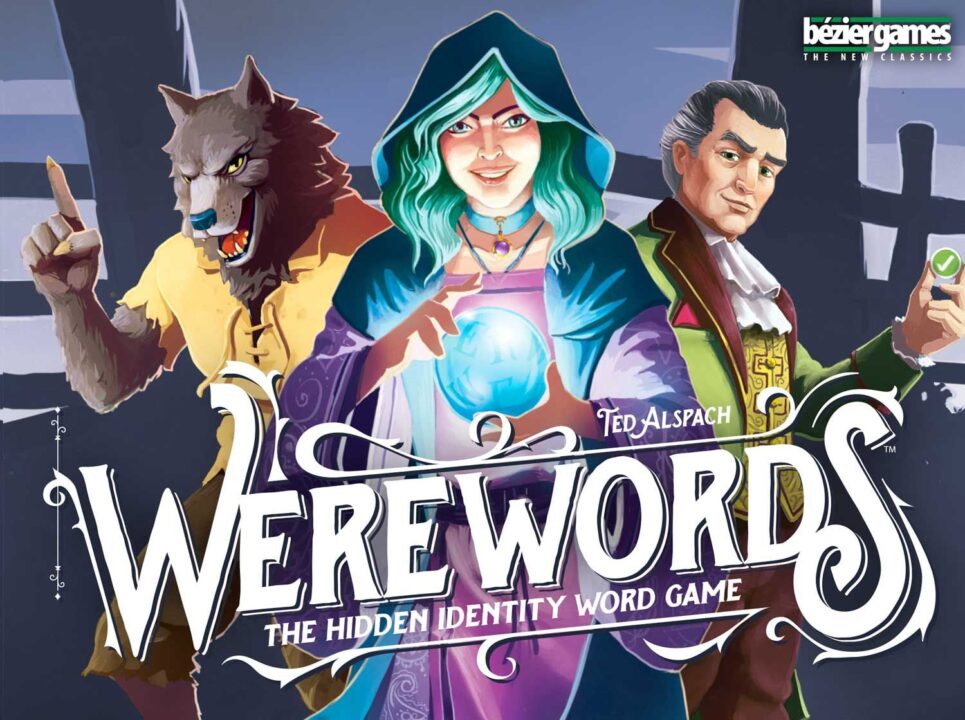
Werewords turns a word guessing game into a quick little mystery. One player secretly becomes the Werewolf, while everyone else asks yes-or-no questions to find the magic word. The timer keeps things moving, so nobody has time to give a ten-minute speech about a single clue. The hidden roles add a fun twist without making the rules scary for new players. It works well for large group games because players can shout ideas, question each other, and still follow the action. The app handles the word list and timer, which saves setup time. It feels like a friendly game show, if the host might eat you.
11 Insider
Insider mixes twenty questions with hidden roles. The group tries to discover a secret word, but one player already knows the answer and quietly guides the talk. After the word appears, everyone debates who acted too helpful. People defended their questions like lawyers protecting a very silly client. The rules stay light, making it a good pick for players who dislike long strategy games. Insider suits large group games because the whole table can ask questions and watch for odd behavior. It also plays quickly, so people can swap roles and try again. The game rewards smart questions, calm bluffing, and a good poker face.
10 The Resistance: Avalon
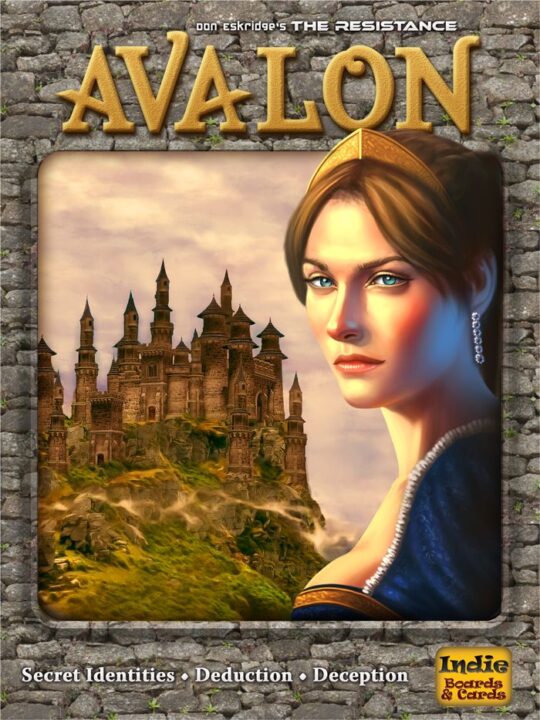
The Resistance: Avalon gives a group secret teams, hidden loyalty, and more accusations than a family meeting. Players serve good or evil, then vote on teams for dangerous quests. Merlin knows much of the evil team, but must hide that knowledge or lose at the end. Someone saying, “I trust you,” caused more panic than a loud accusation. New players can learn the main rules in a few minutes, though the bluffing takes practice. Avalon shines in large group games because each vote matters and even eliminated players stay involved. It works best with a lively table that enjoys arguing, bluffing, and being gloriously wrong.
9 Fake Artist Goes to New York

Fake Artist Goes to New York asks players to draw one picture together, one line at a time. Everyone knows the secret subject except the Fake Artist, who must bluff through the sketch. At the end, the group votes on the imposter. That hardly mattered, because the laughs came from spotting strange lines and inventing excuses. The game needs almost no table space and teaches in seconds. It fits large group games well because players stay involved during every turn. Artistic talent does not help much, which makes this a safe choice for anyone who draws like a tired spider.
8 Telestrations
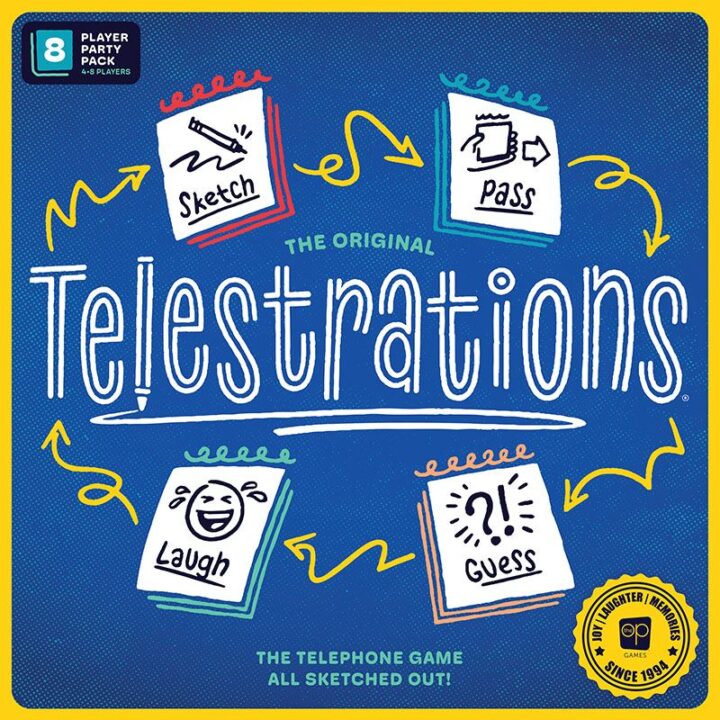
Telestrations turns the old telephone game into a parade of terrible drawings. Each player writes a secret word, draws it, then passes the book around. The next player guesses the drawing, and the next person draws that guess. By the end, the original word has often wandered off and joined a circus. The game welcomes new players because skill does not matter. It also suits large group games, since everyone works at the same time and nobody waits through long turns. The reveal at the end creates big laughs, especially when a simple cat becomes a confused seafood restaurant.
7 Mysterium
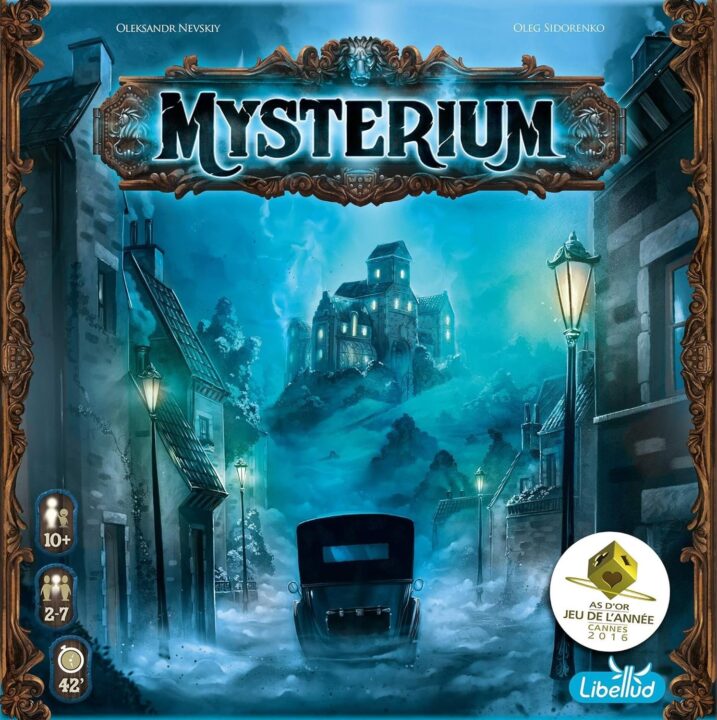
Mysterium feels close to Dixit Odyssey because players use strange, dreamy pictures to guide others toward the right answer. It works well with a group, but adds a spooky murder mystery theme.
6 Decrypto
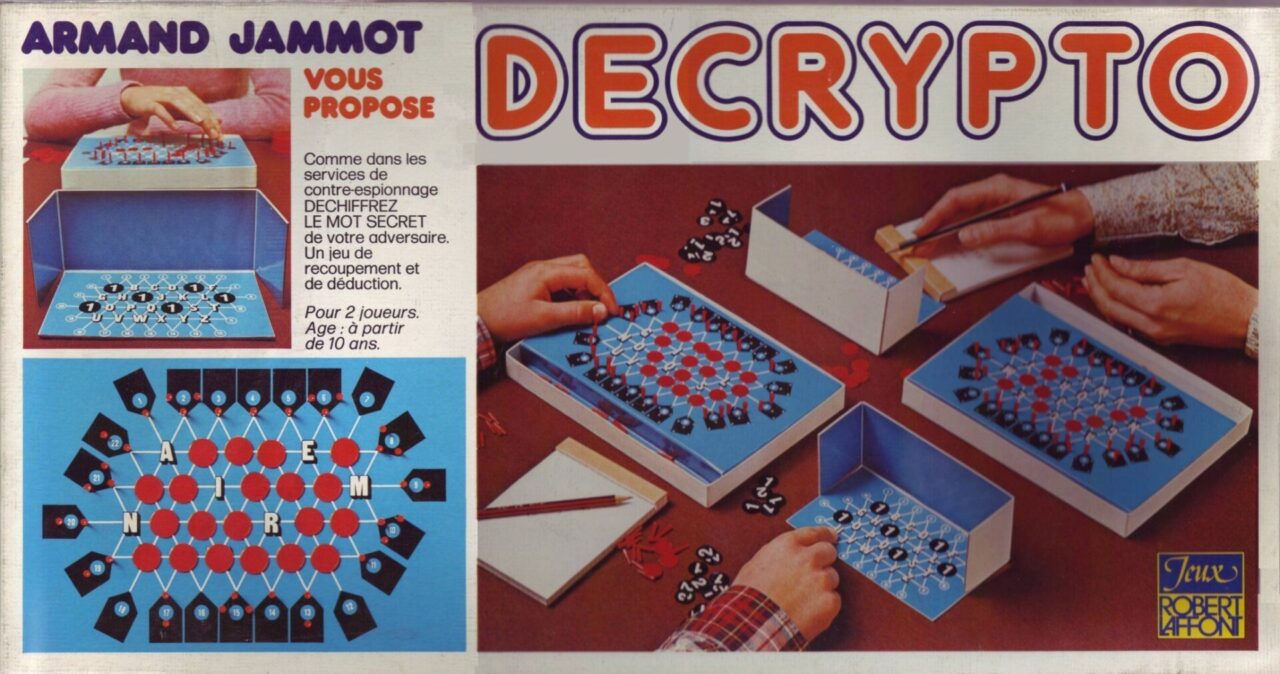
Decrypto gives two teams secret code screens and asks them to send clues without exposing their code. Each round, teammates decode their own message while the other team tries to intercept it. The clues slowly reveal patterns, so careless wording can haunt you later. Decrypto has more depth than a basic word guessing game, but the rules remain easy to teach. It works well for large group games because teams can discuss clues together, while everyone still watches the other side. The game rewards shared language, memory, and nerves. It creates the rare joy of communicating badly on purpose.
5 Wavelength
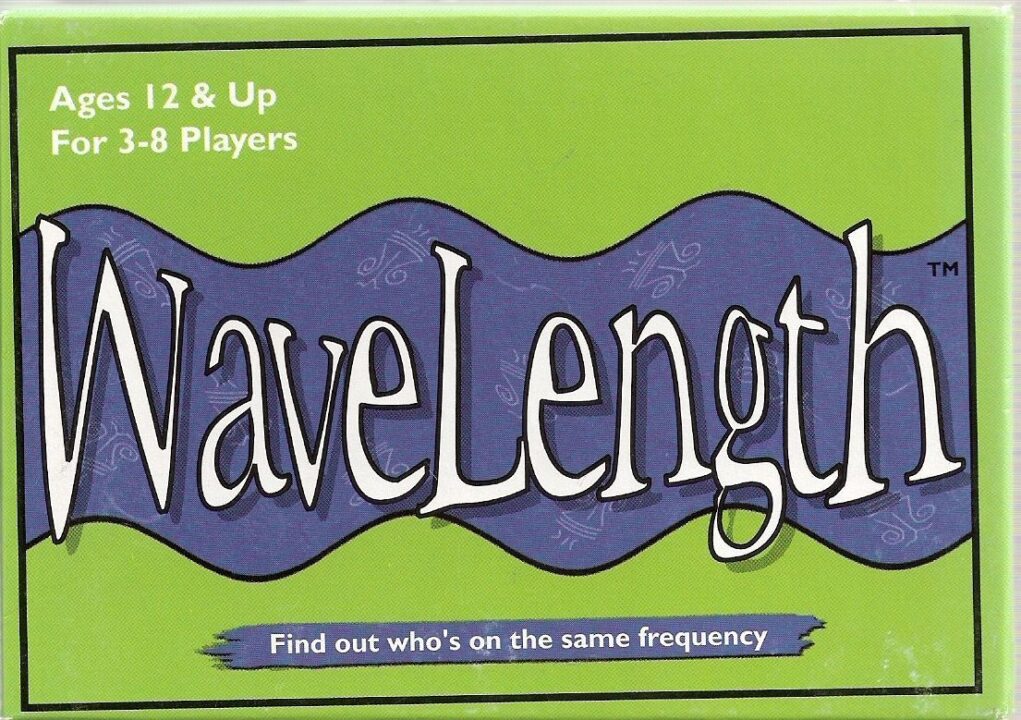
Wavelength asks teams to place a clue on a hidden spectrum. Is a tomato more “fruit” or more “vegetable”? Is a tiny dog more “cute” or extremely cute? One player sees the target zone and gives a clue, while teammates argue about where it belongs. That is the charm. Wavelength needs little setup, welcomes casual players, and creates talk at once. It suits large group games because several people can discuss each clue together. The game has enough tension to feel competitive, but nobody needs expert knowledge. It is a great bridge between party games and deeper team play.
4 Just One

Just One is a co-operative word game where everyone gives one-word clues to help one player guess a mystery word. The catch? Matching clues vanish before the guess. The rules take less time to explain than making popcorn, and every player gets a turn as guesser. That makes it a strong choice for new players and mixed groups. Just One fits large group games because it supports a full table without long waits or player knockouts. The game stays kind, quick, and funny, making it an easy first pick for families and casual game nights.
3 Codenames
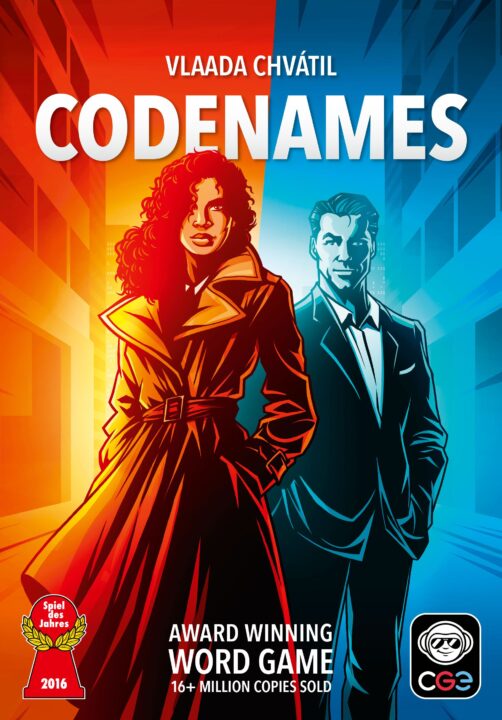
Codenames challenges two teams to find their hidden agents from a grid of words. Each spymaster gives one clue and a number, while teammates try to connect the right words without touching the assassin. Codenames teaches quickly, supports team talk, and keeps players involved even when they are not giving clues. It works brilliantly for large group games because teams can grow without making the game feel crowded. The word grid changes every round, so the game stays fresh. It rewards clever links, but it also creates wonderful disasters when a clue lands sideways.
2 Captain Sonar
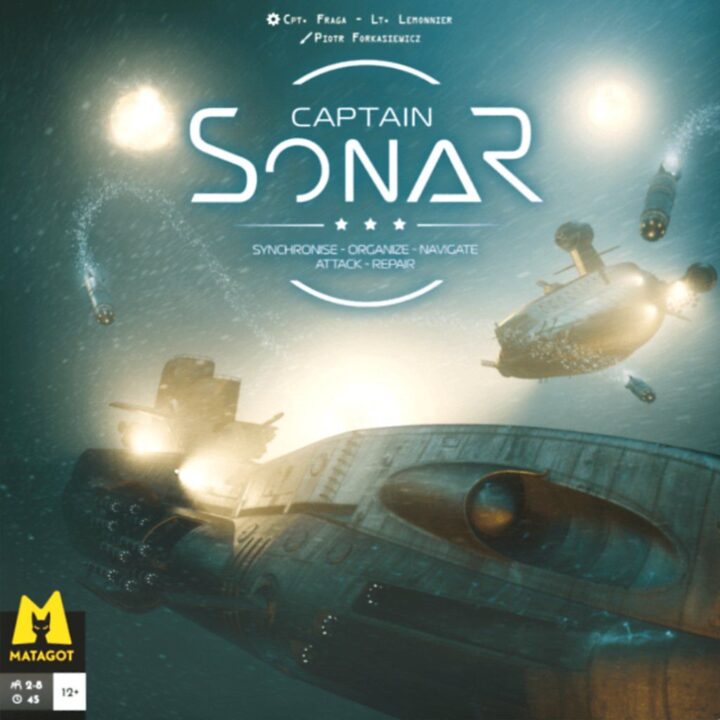
Captain Sonar turns the table into a submarine control room. Two teams split into roles, then hunt the other submarine while trying to hide their own location. Players give orders, track systems, and yell updates in real time. The real-time mode creates wild energy, while the turn-based mode gives newer groups more breathing room. Captain Sonar suits large group games for players who want teamwork with a sharper edge. It needs focus, table space, and a group ready to make noise, but the payoff feels huge.
1 Two Rooms and a Boom

Two Rooms and a Boom stands out as one of the best true large group games. Players receive secret roles, split into two rooms, and trade people between rooms during timed rounds. The Blue Team wants the President and the Red Team wants the Bomber together at the end. The game creates social chaos without needing a large board or a long rule book. It supports huge groups, keeps everyone talking, and gives each player a secret goal. We chose it as the best because it handles a real crowd while staying exciting, silly, and easy to replay.