
15 Best Kindergarten Learning Games 2026: Top Picks Reviewed
We picked the best kindergarten learning games that make kids laugh and learn. These games keep little hands busy and brains buzzing!



The 15 Best Kindergarten Learning Games for Young Board Gamers
We know how tough it is to keep little ones busy while actually teaching them something (without a meltdown over lost game pieces). That’s why we made this list of the best kindergarten learning games, perfect for families and classrooms. We focus on games that are easy to learn, teach basic skills like counting, colors, and taking turns, and—most of all—keep things fun. We also look for sturdy game pieces that can survive snack time disasters. This list covers picks sure to spark giggles, teamwork, and maybe even a love for board games!
Compare a few picks
| Game | Players | Play time | Age | Where to buy |
|---|---|---|---|---|
| Animal Upon Animal | 2-4 | 15 minutes | 4+ | Check on Amazon ↗ |
| Outfoxed! | 2-4 | 20-30 minutes | 5+ | Check on Amazon ↗ |
| Sequence for Kids | 2-4 | 15 minutes | 3-6 | Check on Amazon ↗ |
On this list:
- Animal Upon Animal Shop on Amazon ↗
- Outfoxed! Shop on Amazon ↗
- Sequence for Kids Shop on Amazon ↗
- The Sneaky, Snacky Squirrel Game Shop on Amazon ↗
- Zingo! Shop on Amazon ↗
- First Orchard Shop on Amazon ↗
- Robot Turtles Shop on Amazon ↗
- Count Your Chickens! Shop on Amazon ↗
- Hoot Owl Hoot! Shop on Amazon ↗
- Rhino Hero Shop on Amazon ↗
- Candy Land Shop on Amazon ↗
- Spot It! Animals Jr. Shop on Amazon ↗
- Feed the Woozle Shop on Amazon ↗
- Busytown: Eye Found It! Shop on Amazon ↗
- The Ladybug Game Shop on Amazon ↗
15 Animal Upon Animal
We picked Animal Upon Animal because it brings out the giggles and teaches kids about balance, shapes, and gentle hands. Kids learn to take turns and work on their fine motor skills. It’s chaotic in the best way—a real test of patience for adults and a crash course in animal acrobatics for kids. If your child has ever wanted to stack a sheep on a penguin, this is the kindergarten learning game for your family.
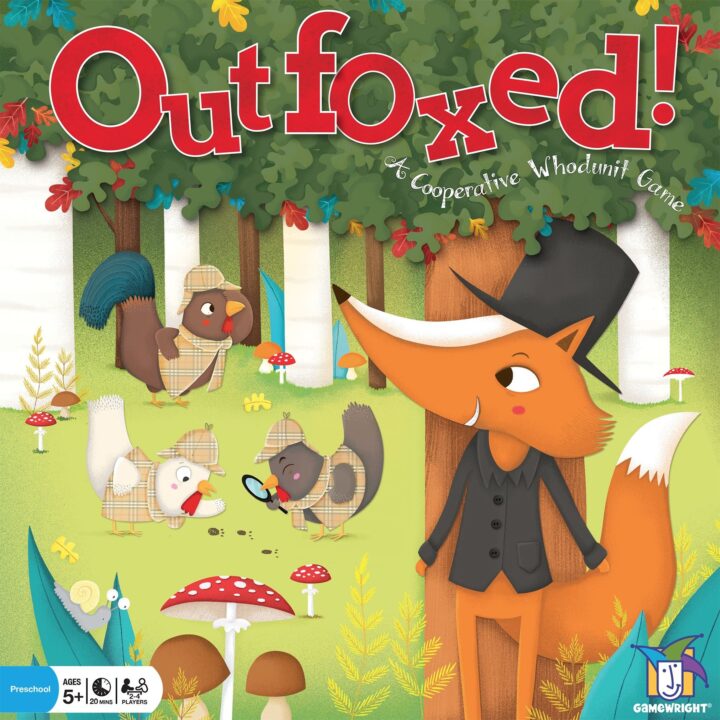
14 Outfoxed!
Outfoxed! made the list because it’s a fun blend of deduction and luck that feels like Clue for little ones. Kids practice deduction, teamwork, and memory skills. Plus, it stops kids from becoming actual criminals, because they’re too busy catching the cartoon fox.
13 Sequence for Kids
Sequence for Kids earns its spot because it teaches logical thinking and pattern matching. We had an epic showdown with our friend’s preschool twins, and let me tell you, they cleaned our clocks. It’s simple—play a card, find the match on the board, and try to get four in a row. No reading required, so kids feel in charge. Also, it makes adults competitive in a weirdly embarrassing way.
12 The Sneaky, Snacky Squirrel Game

This game is a classic among kindergarten learning games. Kids practice color matching, turn-taking, and develop hand-eye coordination. The little plastic squirrel tool is awesome—I wanted one for my own desk. It’s basically an adorable test of fine motor skills with just a tiny bit of sabotage.
11 Zingo!
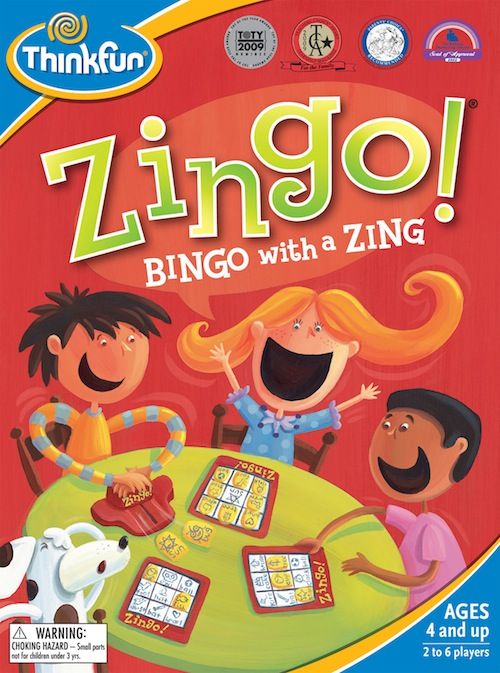
Zingo! brings bingo to the next level and does wonders for language skills. The plastic tile dispenser is fun to use and makes each round fast-paced. It’s easy to jump in and play, making it perfect for short attention spans. Plus, shouting “ZINGO!” makes people laugh every time.
10 First Orchard

First Orchard is a gentle introduction to board games for the tiniest gamers. Players work together to pick fruit before the raven arrives. No tears, no competition, just lots of encouragement. It’s a top pick among kindergarten learning games for teaching teamwork and basic colors.
9 Robot Turtles
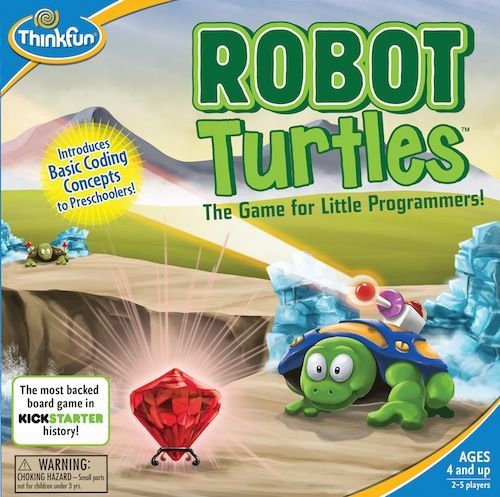
Robot Turtles is the sneakiest way to get your kids thinking like programmers without them even knowing it. The game introduces basic coding logic like sequencing and problem-solving. Also, kids get to boss around the grown-ups, which they love. It’s like a hidden computer science class.
8 Count Your Chickens!

This cooperative game features counting, teamwork, and cute plastic chickens. There was so much cheering over a game with absolutely no losers! Math skills, gentle play, and an eggcellent theme (sorry, had to) make it a solid kindergarten learning game.
7 Hoot Owl Hoot!

Hoot Owl Hoot! is a great cooperative game for preschoolers. Kids practice color recognition, simple strategy, and teamwork. Adults don’t get bored and kids learn that working together is actually fun. There’s no reading, so even the youngest can play. It’s a great introduction to board games and a favorite among kindergarten learning games.
6 Rhino Hero

Rhino Hero combines stacking, dexterity, and superhero drama in one tiny box. Kids strengthen their fine motor skills by building a card tower, then moving a wooden rhino up the levels. The whole thing collapses sooner or later, which is everyone’s favorite part. It’s quick, funny, and surprisingly competitive.
5 Candy Land

Candy Land is the mess-free sugar rush every parent hopes for. It’s all luck, no reading, and lots of colorful fun. Kids learn to take turns, match colors, and deal with the heartbreak of landing on that dreaded licorice. It’s a classic in any kindergarten learning games collection.
4 Spot It! Animals Jr.

The junior version is perfect for little ones who want fast-paced matching fun. Kids work on visual perception and reaction time—sometimes better than grown-ups do, frankly. The animal theme makes it a hit at any table, and it’s so portable you can sneak in a round anywhere. Definitely a winner among kindergarten learning games.
3 Feed the Woozle

Feed the Woozle stands out for its wacky, giggle-worthy premise: feeding silly snacks to a big Woozle. Kids practice counting, gross motor skills, and following directions. It’s inclusive, fun, and not at all quiet – just how we like our kindergarten learning games.
2 Busytown: Eye Found It!

Busytown: Eye Found It! is massive—so big it barely fit on our kitchen table. We had a blast racing across the board, finding hidden objects and shouting out discoveries. It’s a great for teaching observation, teamwork, and cooperation. Kids love the characters from the books, and the game’s length is just right for little ones. It fits well in any collection of kindergarten learning games.
1 The Ladybug Game

Kids learn counting, simple math, and problem-solving, but everything is wrapped in a story about brave ladybugs. The rules are easy, and the cards are bright. Even the youngest players feel successful. It was the only kindergarten learning game where everyone wanted to replay immediately. If you only pick one from this list, make it The Ladybug Game!