
14 Best Family Board Games to Play in 2026
We tested 14 family board game picks with friends, sharing honest thoughts, simple rules, and plenty of table-ready fun for everyone.


Finding the right family board game can feel harder than winning one. We also checked how well each game works for mixed ages, different player counts, and repeat plays. A great family board game should offer clear rules without turning the table into a classroom, while still giving players fun choices and enough replay value. Our list includes light games for relaxed evenings, clever challenges for keen players, and team games that stop one person from sulking in the snack bowl. Here are our top picks.
Compare a few picks
| Game | Players | Play time | Age | Where to buy |
|---|---|---|---|---|
| Ticket to Ride | 2-5 | 30-60 minutes | 8+ | Check on Amazon ↗ |
| Carcassonne | 2-5 | 35-45 minutes | 7+ | Check on Amazon ↗ |
| Azul | 2-4 | 30-45 minutes | 8+ | Check on Amazon ↗ |
On this list:
- Ticket to Ride Shop on Amazon ↗
- Carcassonne Shop on Amazon ↗
- Azul Shop on Amazon ↗
- Codenames Shop on Amazon ↗
- Kingdomino Shop on Amazon ↗
- Sushi Go Party! Shop on Amazon ↗
- Splendor Shop on Amazon ↗
- Dixit Shop on Amazon ↗
- Cascadia Shop on Amazon ↗
- Just One Shop on Amazon ↗
- Forbidden Island Shop on Amazon ↗
- 7 Wonders Shop on Amazon ↗
- Parks Shop on Amazon ↗
- Pandemic Shop on Amazon ↗
- The Quacks of Quedlinburg Shop on Amazon ↗
- Wingspan
14 Ticket to Ride
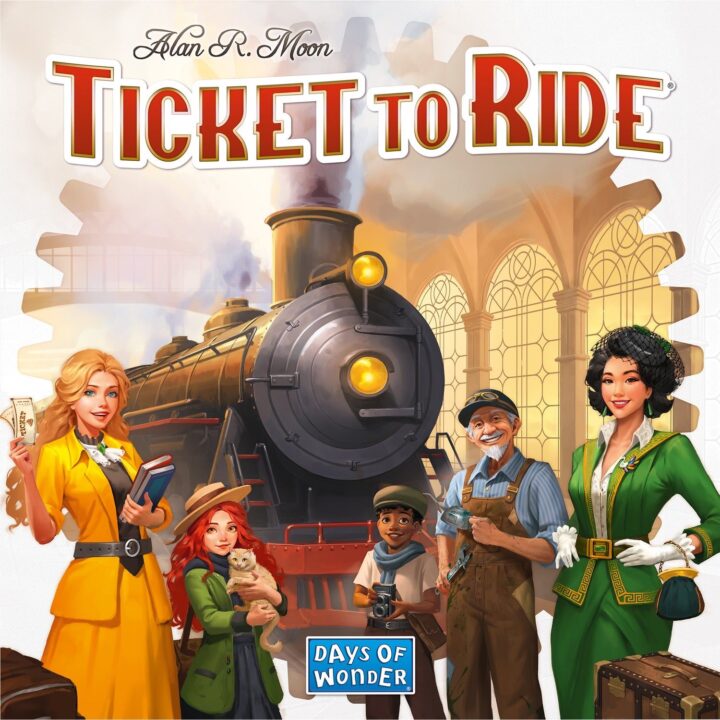
The rules stay simple: collect cards, claim routes, and finish secret tickets. That clean plan makes it a superb family board game for new players. Turns move quickly, yet every route creates a small puzzle. Should we grab the long line to Seattle, or block someone else and enjoy their tiny cry of despair? The bright map helps everyone follow the action, and the game teaches planning without feeling like homework. Luck keeps new players in the game, while smart timing rewards repeat plays. It works best with three to five players, and we still find tense moments after many sessions.
13 Carcassonne
Carcassonne gives players a pile of tiles and asks them to build a shared medieval land. We have watched shy players become fierce road blockers within ten minutes. Each turn feels easy: place one tile, then decide whether to use a follower. The clever part comes from choosing when to claim cities, roads, farms, or monasteries. That balance makes Carcassonne a strong family board game for groups who enjoy choices without loads of rules. Players can help complete a city, steal a field, or quietly score points while everyone argues about a road. The artwork looks friendly, but the game still offers real strategy. It also scales well, though five players can make the map wonderfully messy.
12 Azul
Azul turns pretty tiles into a quiet battle for points. We first thought it looked too polite to cause trouble, then watched three friends steal the exact tiles someone needed. Players draft tiles from shared circles and place them on personal walls. The rules take minutes to learn, but the scoring gives each choice some bite. That makes Azul a polished family board game for players who like puzzles, patterns, and a little friendly spite. Nobody needs to read cards or track a huge story, so the game welcomes mixed ages. The tactile tiles feel lovely in the hand, and the short turns keep the table moving. Just beware: someone will claim they chose those tiles by accident. They did not.
11 Codenames

Codenames works brilliantly when your family enjoys word games and harmless arguments. Two teams give one-word clues to guide their teammates toward secret agents. The trick comes from linking several words while avoiding the deadly assassin. This family board game creates laughs because every clue seems clear to the person giving it and completely bonkers to everyone else. The game supports large groups, teaches fast, and needs little table space. It does favor strong readers, so younger players may need help. With the right mix of people, it delivers more fun than its small box suggests.
10 Kingdomino
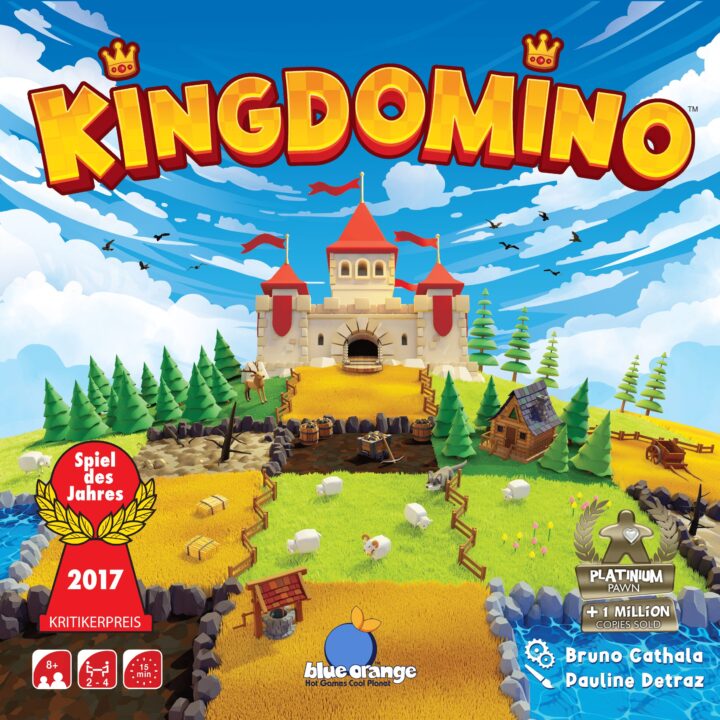
Kingdomino gives players the fun job of building a tiny kingdom without making them manage a tiny tax office. Players choose domino-shaped landscape tiles, then connect matching areas in their kingdom. The clever turn order means taking a powerful tile now may force you to pick later. That small choice adds real planning to this family board game while keeping the rules light. Games finish quickly, which helps when attention spans wander toward snacks. The colorful art also makes the game easy to teach. It works especially well for two to four players, and the scoring offers enough depth for adults without scaring away new players.
9 Sushi Go Party!
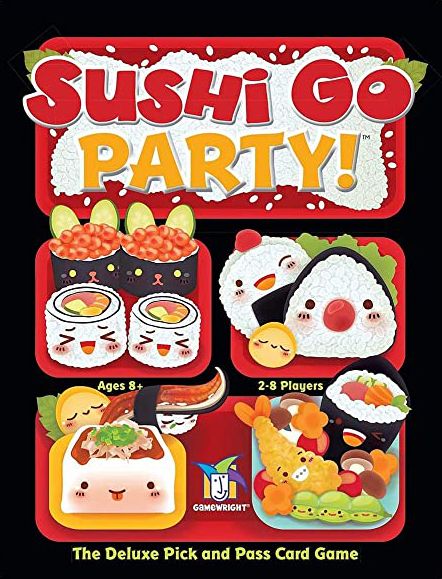
Sushi Go Party! turns card passing into a cheerful race for the best meal. Each round, players choose one card, reveal it, and pass the rest. The rules stay gentle, but the scoring creates plenty of choices. Should we collect dumplings, chase sashimi, or ruin our friend’s plan by taking the last tempura? The wide menu lets groups change the game between plays, which gives this family board game strong replay value. Its bright art attracts younger players, while adults still enjoy reading the table. It plays quickly and handles larger groups with ease. Card drafting has never looked so tasty.
8 Splendor

Splendor asks players to collect gems, buy cards, and attract nobles to a growing trade empire. We have taught it to people who claimed they disliked strategy games, then watched them calculate gem discounts like tiny accountants. The rules remain simple because cards show their cost and permanent bonuses clearly. Players still face sharp choices over which cards to buy and when to race for fifteen points. This makes Splendor a smart family board game for groups that want more strategy without a giant rulebook. The poker-chip tokens feel great, and turns usually move fast. It plays best with two to four people, although downtime can appear when someone studies every card as if it contains state secrets. New players learn quickly and improve with each game.
7 Dixit
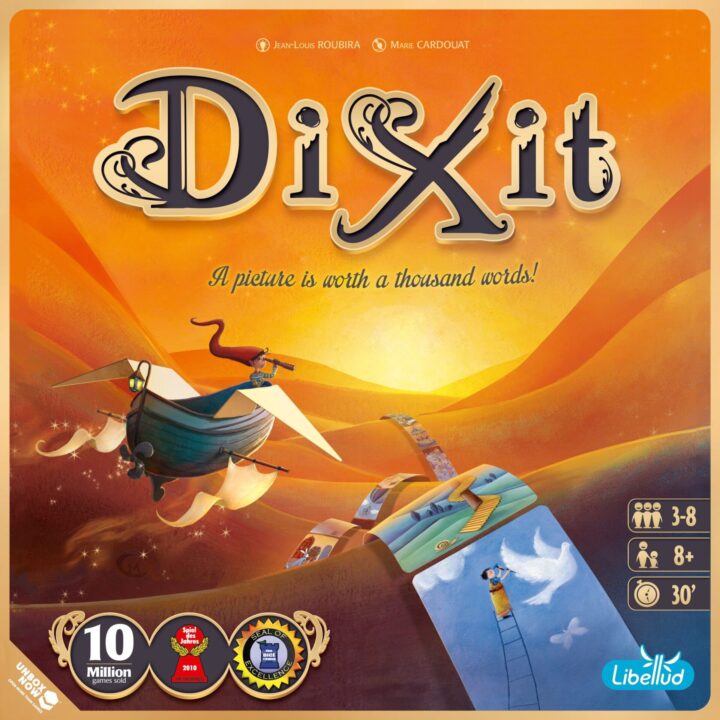
Dixit fills the table with strange, beautiful cards and asks players to describe one without making the clue too easy. We have seen friends explain a card with one word, a song title, or a story that made no sense until the scoring somehow rewarded it. Everyone submits a card that matches the clue, then votes on the storyteller’s card. This family board game rewards imagination rather than deep tactics, so mixed groups can compete on equal ground. The artwork sparks stories and gives quieter players room to speak. The game works best when people enjoy creative guesses, not strict answers. Younger children may need help with reading, but the core play feels welcoming. It also creates many memorable table moments.
6 Cascadia
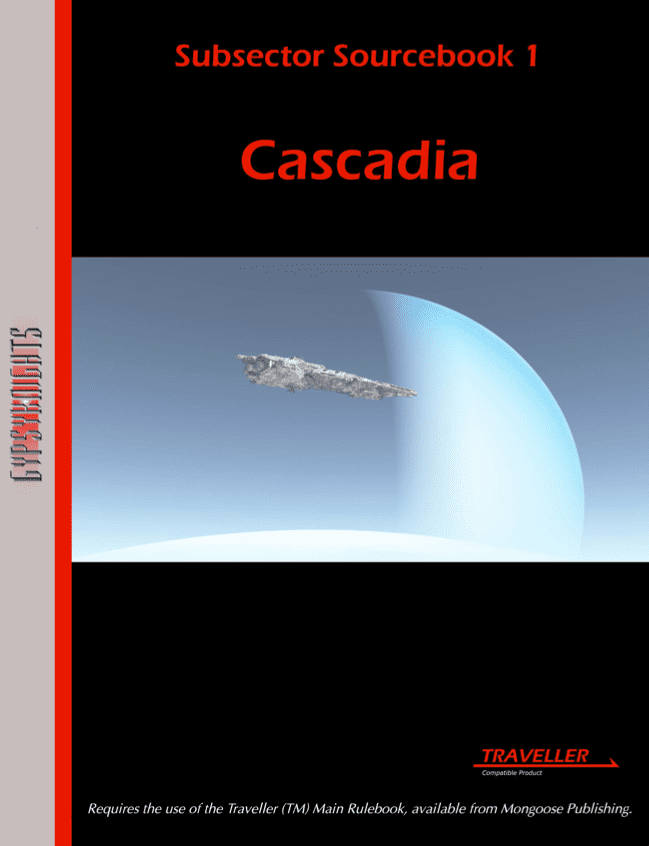
Cascadia lets players build a peaceful wildlife habitat from hex tiles and animal tokens. We expected a calm puzzle, and we got one, though friends still groan when someone takes the perfect salmon tile. Each turn offers a habitat tile paired with an animal token, and players must fit both into their growing landscape. The scoring cards add different goals without making the rules hard to follow. That mix makes Cascadia an excellent family board game for people who like thoughtful play and gentle competition. Players can plan several turns ahead, but luck keeps the game from becoming a math exam. The art feels warm, the pieces feel solid, and the game scales well. It suits families who prefer quiet focus over loud shouting.
5 Just One

Just One proves that a family board game can need almost no setup and still fill a room with laughs. One player guesses a mystery word while everyone else writes a one-word clue. Matching clues vanish, so the group must think of helpful ideas without copying each other. We have watched smart adults write the most obvious clue in the world, only to discover someone else had the same thought. The teamwork makes the game friendly, and nobody gets knocked out after a bad round. It works with a wide age range, though younger readers may need support. The dry-erase boards make mistakes easy to fix, and the short play time suits busy evenings. It feels like a party without demanding party energy.
4 Forbidden Island
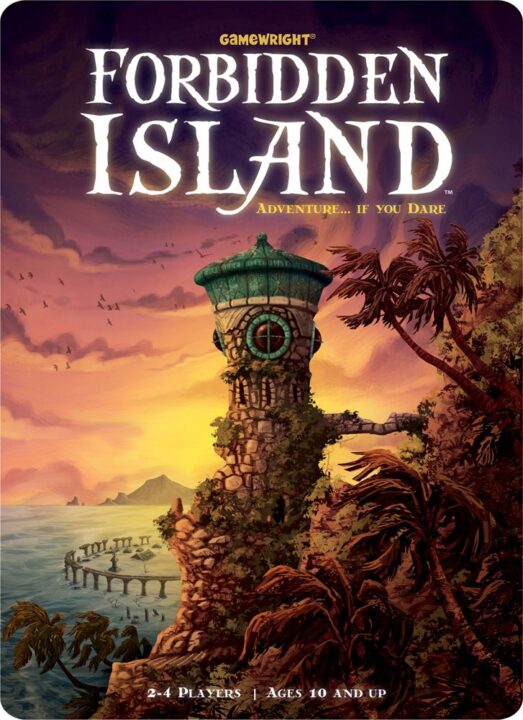
Forbidden Island gives families a shared mission: collect four treasures before the island sinks. Players move around the island, shore up flooded tiles, and use special powers to save the day. The rules stay easy, but the rising water creates real pressure. That makes this family board game a strong pick for players who want cooperation instead of direct attacks. The game can feel swingy, yet that keeps younger players involved and gives every turn a clear purpose. The production looks great for the price, with bright treasure pieces and sturdy tiles. It also teaches planning, communication, and the value of not panicking too soon.
3 7 Wonders
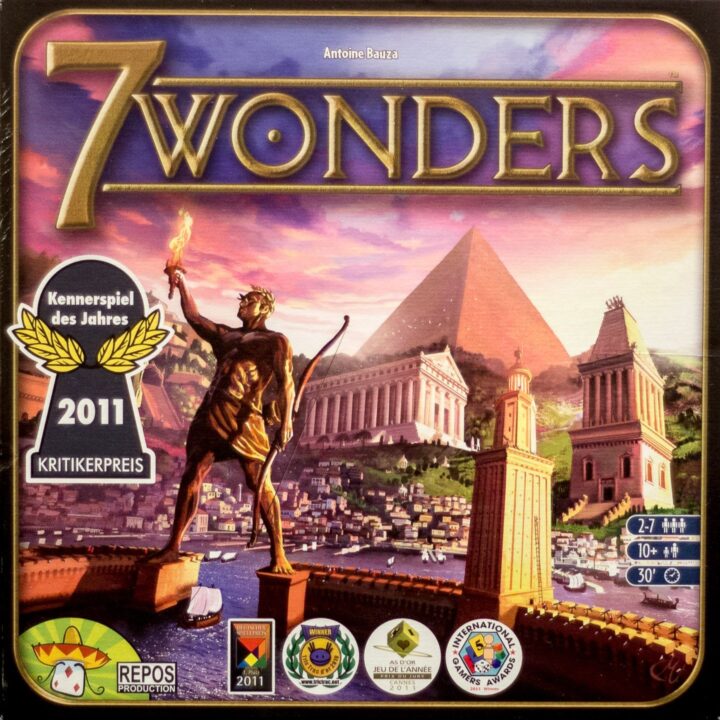
7 Wonders packs city building, card drafting, and ancient wonders into a game that rarely makes anyone wait. Everyone drafts cards at the same time, so players build science, trade, military, or grand landmarks while passing hands around the table. The game rewards several paths to victory and keeps the action moving. This family board game suits older children and adults who want more meat than a simple filler. The icon-heavy cards take one practice round to learn, but the system soon clicks. It plays well with larger groups, and nobody spends ten minutes waiting for one person to finish a turn.
2 Parks

Parks sends players along a trail to collect resources, visit national parks, and snap photos. The art looks stunning, but the game offers more than a pretty face. Players compete for campsites, canteens, gear, and park cards while managing limited actions. That creates gentle tension without harsh attacks, making Parks a fine family board game for groups who prefer calm strategy. The rules remain approachable, though first-time players may need help with a few symbols. It rewards planning and timing, yet beginners can still score well. The game takes longer than some picks here, but the trail feels worth walking.
1 Pandemic
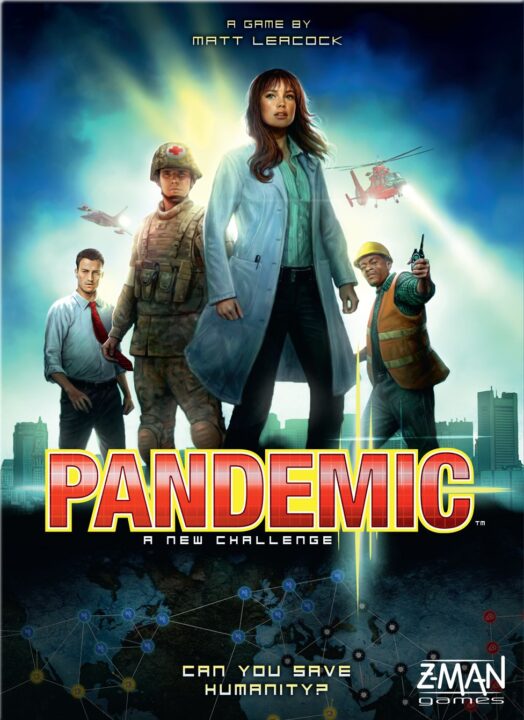
Pandemic turns the whole table into a response team battling outbreaks around the globe. Players move specialists, trade cards, treat cities, and hunt for cures before the disease deck causes too much trouble. The game asks players to talk through plans, so it builds teamwork and clear thinking. This family board game works best with older children because the theme and pressure can feel serious. The difficulty also rises in a fair, exciting way. Pandemic sometimes beats us badly, but we always want another try. It remains one of the best cooperative games for families who enjoy a challenge.
0 The Quacks of Quedlinburg

The Quacks of Quedlinburg makes players draw ingredient chips from a bag and hope their potion does not explode. Each round, players decide whether to keep drawing for more points or stop before the white cherry bombs push the pot past its limit. The game gives unlucky players catch-up help, so nobody feels doomed after one bad round. That makes it a lively family board game for groups who enjoy luck, laughs, and simple choices with real tension. The bag building adds useful strategy between rounds, while the goofy theme keeps the mood light. It does run longer than expected, but the laughter usually earns the extra minutes.
-1 Wingspan
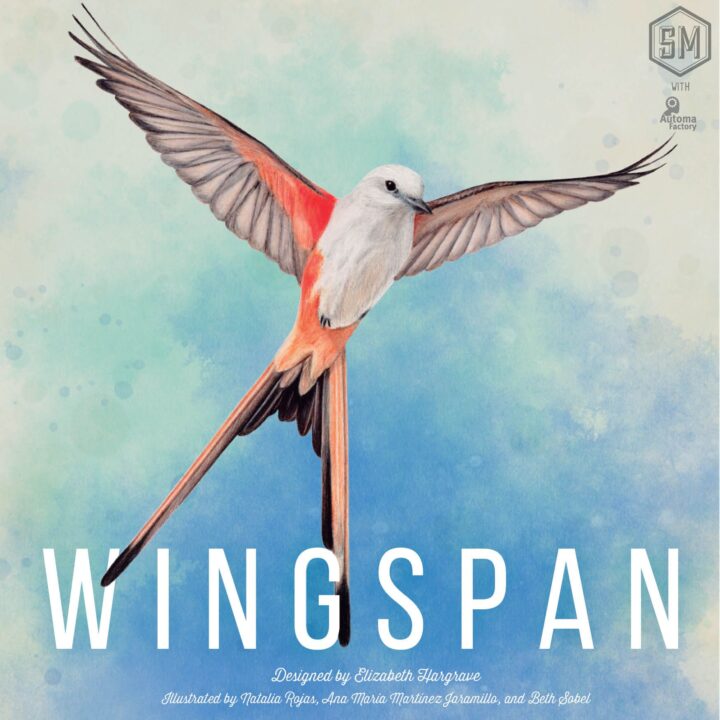
Wingspan is our best pick because it welcomes new players while giving experienced groups plenty to explore. Everyone builds a wildlife preserve by gaining food, laying eggs, and adding bird cards to three habitats. The engine grows in a clear, satisfying way, and the bird facts add charm without slowing play. This family board game has more rules than Ticket to Ride, but the player aids make teaching manageable. Turns stay focused, and the game rewards many styles, from eggs to bonus cards. Its calm theme suits mixed groups, yet the choices still matter. We choose Wingspan as the best because it offers the strongest blend of beauty, depth, replay value, and family appeal.